
How-To Guides
Understanding the Statute of Limitations for Personal Injury Cases


During an accident in which a person suffered a personal injury, there are legal matters that need to be taken into account, such as the statute of limitations so that everything would turn out as it should and that certain privileges would be used. This list contains information that is important to understanding the statute of limitations and how to deal with it.
Timeout
Laws are regulated for a reason, so there is a reason for the statute of limitations, which is why it is set for a certain time. This is most often due to a fair decision that must be made by the authorized because if a lot of time is allowed to pass since the occurrence of the personal injury, it can lead to the bleaching of evidence and the loss of evidence, which makes it much more difficult to prove the claim. This also represents protection against unfounded accusations because if there was a possibility that the case could be submitted at any time, it could make the defense against accusations much more difficult. By setting deadlines in this way, it is sure that lawsuits are filed within the normal time frame, and manipulation of court processes is not allowed.
The help of a lawyer
All legal processes can be very demanding due to the fact that the authorized parties expect the documentation and all accompanying things to be delivered to them in a way that is adaptable to them but not to other people. For everything to be in order and for the claim to be sent on time with the appropriate documentation, it is good to hire Mesquite, TX injury attorneys who will complete the entire process in the best possible way. They will take care of the statute of limitations, make sure that the request arrives on time and in order, and ensure that the client receives all rights and funds after a personal injury.
Negotiations
The way to temporarily stop the expiration of the statute of limitations is through negotiations. The goal of the court is to settle legal disputes outside of it, and this way, in some cases, can be more useful for the injured person. When a personal injury has been suffered, a person is faced with various mental, emotional, and physical difficulties and needs time to properly recover, and enabling negotiations gives that privilege as well. In this way, justice can be achieved so that the injured person will have time to adequately consider whether the offers suit them without the pressure of having to make an urgent decision due to the statute of limitations.
Exceptions
It would not be fair if people who are unable and able to comply with the statute of limitations are rejected, so this law has its exceptions. The statute of limitations does not apply to minors, but they will be able to file a personal injury complaint at any time. In cases of medical error, the deadline is also longer because it is much more difficult to discover that a medical error has occurred, and it takes a certain amount of time. There have also been situations in which the insurance company or the responsible party defrauded the victim, and they did not submit a request in time, so this is also a privilege. If fraud occurs, the statute of limitations can be postponed. The rules on exceptions can differ significantly depending on the country you live in, so it is necessary to check this additionally.
Gathering evidence
The request to report the case will not be complete without the appropriate evidence, which must be attached. That is why it is important for the injured person to start gathering evidence as soon as possible so that it does not disappear and the case is accepted. The evidence can be different, but in the case of personal injury, the first and most basic evidence is the medical report in which the doctor from the accepted medical clinic or institution explained what kind of injury it was. This proof is important because, based on the flow, the amount for disbursement of funds will be determined along with other things. A video of the accident would be of great help and would serve as great evidence.
Full understanding of the injury
Each law should be read and interpreted in detail. The statute of limitations usually starts from the day the injury occurred, but in some cases, the statute of limitations can be calculated from the moment when the person who suffered the injury has just realized the full extent of the injury that occurred and its consequences. This is because there are cases where the consequences are only realized later or when the pain becomes stronger. Then, the injured person has the right to appeal and demand from the competent authorities that the right to extend the statute of limitations be extended for this reason.
Consequences
Some people think that it is not worth taking care of some things at all because they think they are not worth the effort, and later, they start to regret that they did not do anything. When a person is late and passes the statute of limitations, the judge will not want to accept their lawsuit against the defendant and will not pay them compensation. The compensation determined by the court can be very large because it takes into account the emotional state and physical pain suffered, as well as the lost earnings that the person will not be able to earn because they are in an injured state. Not taking advantage of this benefit can lead to large medical expenses and situations in which the injured person will not receive any funds due to not working for a while.

Legal processes are not easy, so in order to get justice, you need to make a little effort and take many things into account. With this list, each person will have in mind why they must respect the statute of limitations in order to exercise their rights.









Why Underground Fuel Tanks Eventually Need Removal
Across industrial and commercial properties, underground fuel tanks have served as reliable storage systems for decades. But as tanks age, they begin to corrode, weaken, and pose environmental risks that can no longer be ignored. That is why gas tank removal underground becomes an essential part of responsible facility management. These tanks operate out of sight, but their condition directly impacts safety, compliance, and long-term operational stability.
Underground tanks deteriorate in ways that are difficult to detect without professional inspection. Soil moisture, shifting ground, and constant exposure to fuel can create structural weaknesses that compromise the tank’s integrity. Even a small leak underground can spread contaminants far beyond the property line. Removing old tanks before these failures occur protects both the business and the environment.
How Underground Tanks Begin to Deteriorate
Unlike above-ground systems, underground tanks face constant pressure from surrounding soil. Moisture sits against the tank walls for years, gradually breaking down protective coatings. Fuel often contains additives and sediments that accelerate internal corrosion. Temperature changes expand and contract the steel, weakening welds and seams. Over time, these factors contribute to the need for gas tank removal underground before the tank reaches a critical point.
Many tanks installed 20 to 40 years ago were not designed to meet today’s environmental standards. Their materials and coatings eventually reach the end of their lifespan, making removal the safest and most responsible option.
Why Professional Removal Is Non-Negotiable
Removing an underground fuel tank is a highly regulated process. It requires specialized equipment, environmental expertise, and strict safety procedures. Even empty tanks can contain vapors that pose fire or explosion risks. Professionals manage this work using controlled methods that prevent accidents and protect the surrounding property.
A professional team begins by locating the tank precisely, exposing it through careful excavation, and removing any remaining product or vapors. Once the tank is safe to handle, it is lifted from the ground and prepared for disposal. Every step must be executed with precision to ensure compliance with environmental and safety regulations.
How the Removal Process Is Carried Out Safely
The process of gas tank removal underground follows a sequence designed to control risk and maintain stability. The area above the tank is excavated gradually to avoid damaging nearby utilities or structures. Once the tank is uncovered, specialists clean the interior to eliminate residual fuel and vapors. Only after this cleaning is complete can the tank be safely cut, lifted, or transported.
The team also inspects the surrounding soil for any signs of contamination. If contamination is discovered, additional cleanup steps must be taken to restore the site. These environmental safeguards ensure the property remains safe for future use and meets all regulatory expectations.
Why Environmental Testing Is a Central Part of Removal
Soil and groundwater testing confirm whether the tank leaked during its lifetime. This testing is not optional; it is required by environmental agencies to protect surrounding land and water sources. The results determine whether remediation is needed before the site can be cleared.
Testing provides critical information, such as the presence of petroleum residues, the depth of contamination, and whether nearby structures or land features may be affected. This data becomes part of the documented record that proves gas tank removal underground was completed responsibly and in accordance with regulations.
How Removal Supports Regulatory Compliance
Industries that use underground fuel tanks must comply with strict standards set by environmental authorities. Failing to remove a failing or outdated tank can result in fines, operational restrictions, or long-term liability. Removal demonstrates that the facility is taking preventive action to protect the environment and maintain safe operations.
Compliance is not just about avoiding penalties. It’s about safeguarding the long-term viability of the property. A well-executed removal shows regulators, auditors, and stakeholders that the business manages environmental responsibilities with care.
The Challenges of Working Beneath the Surface
Underground tank removal demands expertise because the work occurs in a concealed and unpredictable environment. Soil types vary widely, and conditions underground can change quickly during excavation. Tanks may be located near building foundations, active utilities, or paved surfaces that limit access. Professionals plan each removal carefully to avoid damaging surrounding structures.
Weather also plays a role. Heavy rain, heat, or freezing temperatures influence soil stability and require adjustments on the job. Despite these challenges, skilled removal teams complete the process with minimal disruption to facility operations.
Why Early Removal Protects Property Value
Allowing an old underground tank to remain in place can create risks that undermine the property’s long-term value. Even inactive or empty tanks can contain residue that contaminates soil over time. Many buyers, insurers, and lenders require proof that outdated tanks have been removed properly before approving transactions or underwriting coverage.
Early gas tank removal underground prevents these complications. It creates a clear record of responsible environmental management and allows the property to be used, sold, or redeveloped without concerns about hidden risks beneath the surface.
The Long-Term Benefits of Safe Tank Removal
Removing underground tanks strengthens the facility’s environmental profile, reduces long-term liability, and ensures the site meets modern regulatory expectations. It also opens the door for updated storage systems that provide easier maintenance, better monitoring, and improved safety features.
When a tank is removed responsibly, facilities gain confidence in the integrity of their property and reduce the risks associated with aging underground structures. Through proactive planning and expert execution, gas tank removal underground becomes a smart investment in the safety and future of the entire operation.

The workplace should be a place of safety and respect for all individuals. However, many Australian employees continue to face workplace bullying in one form or another. Workplace bullying can have long-term effects on one’s mental health, productivity, and overall well-being, and must be addressed in accordance with Australian laws and regulations.
What Is Workplace Bullying?
Workplace bullying is any form of repeated, unreasonable behaviour towards another coworker. This type of behaviour can be seen in many different ways, such as:
- Physical or verbal abuse or harassment
- Spreading rumours or malicious gossip
- Withholding information needed to do your job
- Intimidation, humiliation, threats, or belittlement
- Exclusion from work-related activities
- Unreasonable demands
Anyone can be a perpetrator or a victim of workplace bullying. This eventually leads to a decline in mental health, decreased productivity, increased stress, and isolation.
What to Do If You’re a Victim of Workplace Bullying
Workplace bullying should be dealt with immediately. Here are some ways to address the situation.
- Keep detailed records of all incidents (dates, times, who was involved, any specific acts, etc.).
- Approach a trusted colleague or superior about the incident.
- Approach the bully/harasser and tell them that their behaviour is unprofessional and unacceptable.
- Know your rights and familiarise yourself with your company’s anti-bullying policies and local labour laws.
- File a complaint with your company’s HR department. Otherwise, you can talk to your Health and Safety Representative or union representative.
If you are a victim of workplace bullying, remember that you are not alone. Unions and laws such as the Fair Work Commission and the Work Health and Safety Act are dedicated to protecting the rights of employees and promoting a healthy work environment.
How to Prevent Workplace Bullying in the Future
Workplace bullying can be prevented with proper action and policies in place. Here are some ways:
- Clear anti-bullying policies and reporting systems that protect all employees
- Adequate training for all staff
- Proper support systems and regular follow-ups
- Fostering a culture of respect and accountability
Standing Together Against Workplace Bullying
There is absolutely no room for bullying or any kind of intolerable behaviour in the workplace. You can always talk to your union about providing proper support and taking necessary action. Everyone deserves to feel safe, respected, and valued at work, and that starts with speaking up and supporting one another.
YOU MAY ALSO LIKE: C.W. Park USC Lawsuit: A Case Study in Workplace Discrimination
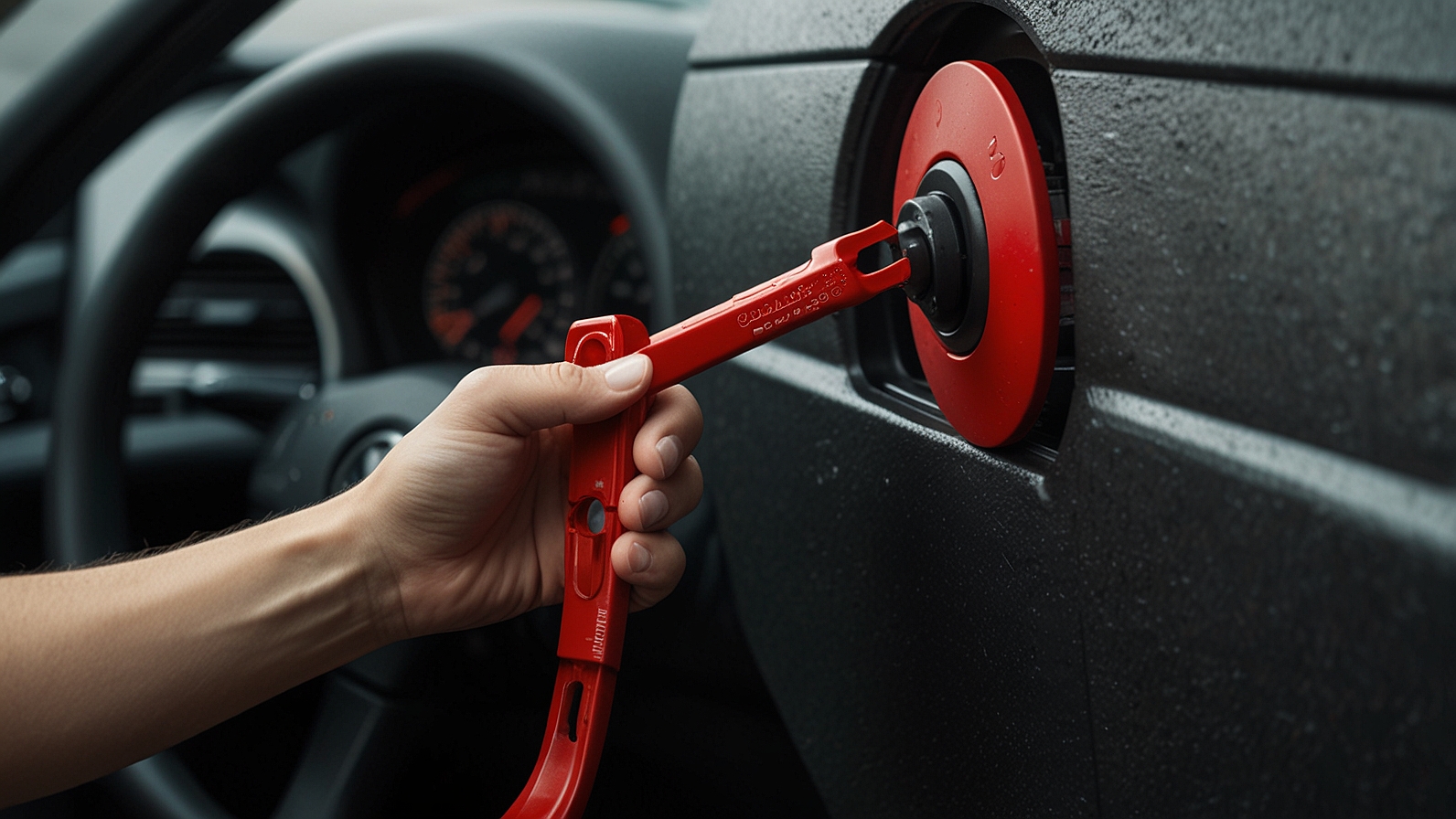
Ever sunk an hour into a simple car repair, only to be met with the heart-sinking crack of a plastic trim piece? Your fingers are sore, your patience is thin, and you’re now facing a costly repair for a part you were just trying to fix.
We’ve all been there. The problem is rarely a lack of skill—it’s using the wrong tool for a incredibly delicate job. This is exactly the scenario the levapioli tool was designed to prevent. Think of it as the secret weapon that separates a clean, professional job from a DIY disaster.
What is a Levapioli? Your First Step to Scratch-Free Car Work
Let’s clear this up first: what exactly is this thing? Imagine a crowbar designed for surgery. That’s a levapioli.
It’s a precise, non-marring prying tool that acts like a key, expertly releasing hidden clips and pins without damaging the soft plastic or painted surfaces of your car’s interior. While “levapioli” is often used as a catch-all name (much like “Kleenex” for tissues), it technically refers to a style of sturdy, plastic pry bar that’s become a must-have in any garage.
Why Your Screwdriver is a Terrible Substitute
It’s tempting to grab that trusty flat-head screwdriver. It’s metal, it’s sturdy, it’s right there. But resist the urge! Using a metal tool on your car’s interior is like using a sledgehammer to crack a nut.
The cost of using the wrong tool is high: marred trim, gouged dashboards, and shattered clips that are a nightmare to replace. Here’s a quick comparison:
| Tool | Use Case | Risk of Damage |
|---|---|---|
| Flat-Head Screwdriver | Prying trim | Very High (gouges, cracks, paint chips) |
| Your Fingers | Removing clips | High (soreness, broken clips) |
| Levapioli Tool | Prying trim, removing clips | Very Low (when used correctly) |
A levapioli is made from rigid yet forgiving materials like nylon, so it applies force without leaving a mark. It’s all about finesse, not force.
How to Use a Levapioli Like a Pro: A Step-by-Step Guide
Okay, you’re convinced. Now how do you use this thing without breaking anything? Follow these steps:
- Identify the Clip Locations: Before you pry, gently feel along the seam of the panel. Look for slight bumps or gaps. A flashlight can help you spot the hidden fasteners.
- Choose the Right Pry Tip: Most levapioli kits come with multiple shapes—forked, flat, and curved. A forked tip is perfect for prying out circular clips, while a flat tip is ideal for sliding into tight seams.
- Work Slowly and Methodically: Insert your chosen tip, apply gentle, steady pressure, and listen for a soft pop. That’s the sound of success! Move a few inches over and repeat. Never try to pull the entire panel off at once.
- Keep a Magnet or Container Handy: For those tiny, flying clips that always seem to disappear. Trust us on this one.
Beyond Door Panels: 5 Unexpected Uses for Your Levapioli
This tool’s talent isn’t limited to door panels. Its versatility makes it a superstar for:
- Radio Head Unit Removal: Perfect for prying off the trim bezel around your stereo.
- Grille Removal: Safely unclip the front grille for cleaning or replacement.
- Dash Cam Wire Tucking: Gently route wires along the headliner and A-pillar without damaging edges.
- Wheel Arch Liner Clips: Quickly remove those stubborn fender liner clips for brake work.
- Household Electronics: Great for opening up tablets, phones, or game controllers without leaving a mark.
Choosing the Best Levapioli Kit for Your Needs
Not all pry tools are created equal. Here’s what to look for:
- Material: Most are durable nylon. Higher-end models from brands like OTC or OEM Tools might have a flexible metal core for extra strength on stubborn clips, but they’re always coated in plastic to protect surfaces.
- Kit Size: A basic 3-piece set is great for beginners. Enthusiasts might want a larger kit with specialized hooks and picks for every conceivable job.
- Feel: Look for tools with a comfortable, ergonomic grip. You’ll be holding it for a while!
3 Pro Tips to Try on Your Next Project
- Warm Up Plastic: On a cold day, warm the interior trim with a hairdryer for 60 seconds. It makes old, brittle plastic more flexible and less likely to crack.
- Tape is Your Friend: Put a piece of masking tape on the paint or delicate surface near your pry point for an extra layer of protection.
- Start from the Bottom: Clips usually release easiest from the bottom of a panel. Work your way up and around for the cleanest removal.
So, what’s the first trim job you’re going to tackle with your new favorite tool?
You May Also Read: Your Ultimate Engine Guide: Unlocking Practical Knowledge at enginefirm.com
FAQs
Is a levapioli the same as a plastic pry tool?
Yes, absolutely. “Levapioli” is commonly used to refer to a set of non-marring plastic pry tools and trim removers.
Can it really prevent all damage?
When used correctly, it drastically reduces the risk. However, old, sun-baked plastic can be brittle. Always work slowly and use heat to soften aged plastic.
What’s the best material for a levapioli tool?
Durable, rigid nylon is standard. Pro-grade kits often add a metal core for strength but keep a non-marring plastic coating.
Are the cheap sets on Amazon any good?
For the occasional DIYer, a budget-friendly set is a fantastic starting point and far better than using metal tools. They might not withstand daily professional use but are perfect for home garages.
What should I do if I break a clip?
Don’t panic! It happens to everyone. Keep the broken pieces, note the style and location, and order a replacement clip online or from a dealership. They’re usually very inexpensive.
-

 Education1 year ago
Mastering Excel: Your Comprehensive Guide To Spreadsheets And Data Analysis
-

 Tech1 year ago
How To Choose The Best Forex Trading Broker?
-

 Business2 years ago
Exploring the Rental Market: Properties for Rent in Malta
-

 Blog1 year ago
Arab MMA Fighters Shine Bright: Meet the Champions of PFL MENA
-

 Travel2 years ago
Experience the Best Desert Safari Dubai Offers!
-

 How-To Guides2 years ago
Comprehensive Guide to Cockwarming: Enhancing Intimacy and Connection
-

 Home Improvement2 years ago
Eco-Friendly Round Rug Options for Sustainable Living in NZ
-

 Fashion2 years ago
Black Magic: The Elegance and Sophistication of Ultimate Homecoming Dresses in Black