
Health
The Advantages and Disadvantages of Front Dental Implants

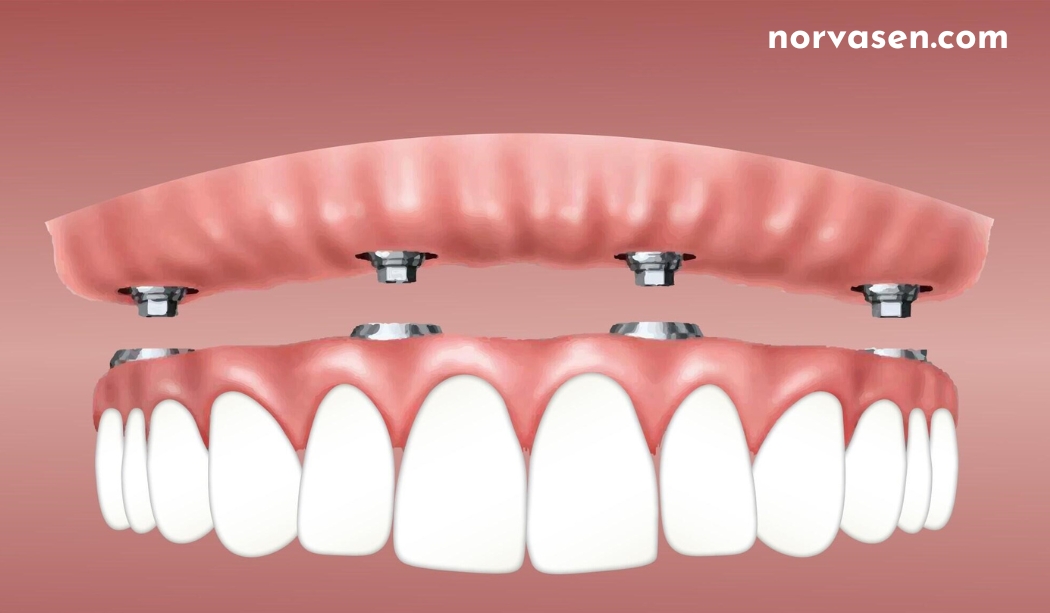
In today’s world, a perfect smile can boost your confidence and transform your appearance. Front dental implants are a popular option for those looking to restore or improve their front teeth.
This blog post explores the advantages and disadvantages of front dental implants, providing valuable insights to help you make an informed decision. Read on.
What Are Front Dental Implants?
Front dental implants are synthetic tooth roots inserted into your jawbone to provide support for replacement teeth. They are crafted to replicate the look and function of natural teeth.
Front dental implants are often chosen for their durability and aesthetic benefits. This makes them a preferred solution for many people. Check out dental implant services in Lexington to learn more about the pricing of dental implants.
The Benefits
Front teeth dental implants are designed to look and feel like natural teeth. They blend seamlessly with your existing teeth, enhancing your overall appearance. This can be especially important for those who are self-conscious about their smile.
Having a beautiful smile can boost your self-esteem and confidence. Front dental implants provide a permanent solution. Which can help you feel more comfortable in social situations.
Enhanced Functionality
Unlike dentures, Dental implant molars are securely anchored in your jawbone. This means they function just like natural teeth. You can eat, speak, and smile with confidence, knowing that your implants won’t slip or move.
The stability of front dental implants allows you to enjoy your favorite foods without worry. They provide a strong bite force, which means you can chew and savor your meals just as you would with natural teeth.
Long-Lasting Solution
Front dental implants are built to last. With proper care and maintenance, they can serve you well for many years, even a lifetime. This long-term solution is a significant advantage over other tooth replacement options.
Unlike traditional bridges or dentures, which may need regular adjustments or replacements, front dental implants are a more permanent solution. This can save you time and money in the long run.
The Drawbacks
One of the main disadvantages of front dental implants is that they require a surgical procedure. This can be intimidating for some people, especially those who are anxious about dental work.
The surgery involves placing the implant into the jawbone, which can be a lengthy process. Recovery time varies from person to person, but it typically takes several months for the implant to fully integrate with the bone.
Cost
Front dental implants can be expensive. The cost varies depending on several factors, including the number of implants needed, the materials used, and the complexity of the procedure.
Insurance coverage for dental implants can also be limited. It’s essential to check with your insurance provider to understand what costs will be covered and what you’ll need to pay out of pocket.
Potential Complications
While front dental implants have a high success rate, there are still potential complications to consider. These can include infection, implant failure, and nerve damage.
It’s crucial to choose an experienced dental professional for your implant procedure. Proper care and maintenance are also essential to minimize the risk of complications and ensure the long-term success of your implants.
Get Front Dental Implants Today
In conclusion, front dental implants offer several advantages such as their natural appearance and stability. However, they also come with limitations such as potential sensitivity and a longer treatment process. It is important to consult with a qualified dentist to determine if low-cost dental implants are the right choice for you.
If you want to read more articles, visit our blog.



Picture this. You snap awake in the dead of night. Your eyes are wide open. You know exactly where you are, yet your arms, legs, and even your voice refuse to cooperate. A heavy weight presses on your chest, and out of the corner of your eye, you swear something is watching you from the shadows. Sound familiar? If you have ever felt frozen while waking up, you are not alone, and you are definitely not losing your mind.
That eerie experience is sleep paralysis, and the big question everyone asks is simple: is sleep paralysis dangerous? The short answer might surprise you. No, it is not physically harmful. But it sure feels like it could be. In this article, we will dig into what actually happens during these episodes, why your brain plays these tricks, and most importantly, five straightforward ways to cut down on them starting tonight.
You might not know this, but sleep paralysis sits right at the messy crossroads of science, psychology, and old folklore. It has been blamed on demons, ghosts, and everything in between for centuries. Today, we understand it as a glitch in the sleep cycle, not a supernatural curse. Still, that does not make the fear any less real when it hits.
Table of Contents
- What Exactly Is Sleep Paralysis?
- Is Sleep Paralysis Dangerous? The Honest Truth
- The Science Behind the “Intruder” Hallucinations
- Common Symptoms and What They Feel Like
- What Triggers Sleep Paralysis?
- 5 Simple Ways to Prevent Episodes Tonight
- When Should You Talk to a Doctor?
- FAQ
- Final Thoughts: You Can Take Back Your Nights
What Exactly Is Sleep Paralysis?
Sleep paralysis happens when your mind wakes up before your body does. Or more precisely, your brain flips the switch to wakefulness while the natural muscle paralysis that keeps you from acting out dreams during REM sleep lingers a few moments too long. The result? You lie there, fully conscious, completely immobile, sometimes for seconds, sometimes up to a couple of minutes.
It is classified as a parasomnia, an unusual behavior tied to sleep. Episodes usually strike as you drift off (hypnagogic) or, more commonly, right as you wake up (hypnopompic). You can still breathe and move your eyes, but that is about it. And because your brain is wide awake, it starts filling in the blanks with vivid, often terrifying details.
Honestly, this is not talked about enough outside of sleep clinics. Most people who experience it once or twice just chalk it up to a bad dream and move on. But for roughly 10 percent of folks, it becomes a recurring nightmare that messes with bedtime itself.
Is Sleep Paralysis Dangerous? The Honest Truth
Let me cut right to the chase: sleep paralysis is not dangerous in any physical sense. It will not stop your heart, damage your brain, or leave lasting harm. Medical experts from places like the Cleveland Clinic and Sleep Foundation all agree on this point. It is a benign phenomenon. Your body is simply stuck in a protective state designed to keep you safe during dreams.
That said, the emotional toll can feel pretty heavy. The intense fear, the sense of suffocation, the hallucinations. They can leave you rattled for hours afterward. Some people develop bedtime anxiety, which leads to less sleep, which ironically makes episodes more likely. So while the paralysis itself is harmless, frequent bouts can snowball into bigger sleep problems.
You might wonder, though: could it ever be a sign of something more serious? In rare cases, yes. Recurrent sleep paralysis sometimes flags an underlying issue like narcolepsy or obstructive sleep apnea. But isolated episodes? Almost always just your brain doing its quirky thing.
The Science Behind the “Intruder” Hallucinations
Here is where it gets fascinating, and a little creepy. During REM sleep, your brain is busy dreaming. To stop you from thrashing around and hurting yourself, it sends signals that temporarily paralyze voluntary muscles. That is normal.
Sleep paralysis occurs when consciousness sneaks in while those signals are still active. Your mind is awake, but your body is not. The hallucinations? They are leftover dream elements bleeding into reality. Researchers call them hypnagogic or hypnopompic hallucinations, and about 75 percent of episodes include them.
The most common one is the “intruder” hallucination. You sense a dangerous presence in the room, often a shadowy figure, a demon-like entity, or even an alien. Some people report hearing footsteps or whispers. It is your brain’s threat-detection system going haywire because it cannot make sense of the paralysis. Evolution wired us to assume immobility means danger is near, so the mind conjures up a villain to explain the feeling.
Then there is the incubus hallucination: that crushing pressure on your chest, the sensation of being smothered. It happens because your breathing muscles are slightly restricted during REM, and your awake brain interprets that as an attack.
Finally, vestibular-motor hallucinations can make you feel like you are floating, flying, or even leaving your body. These are less scary for some, but still disorienting.
Some experts link these experiences to serotonin pathways in the brain, which helps explain why they feel so vivid and dream-like. Honestly, it is like your brain is playing a cruel joke: it wakes you up just enough to panic, but not enough to move.
Common Symptoms and What They Feel Like
Beyond the obvious inability to move or speak, symptoms vary. You might feel:
- Chest pressure or shortness of breath
- Intense fear or panic
- A sense of impending doom
- Daytime fatigue the next day
Episodes average around six minutes, though they can feel eternal in the moment. And no, you are not actually suffocating. Your breathing continues just fine; it just does not feel that way.
What Triggers Sleep Paralysis?
No single cause exists, but several factors line up to increase the odds. Sleep deprivation tops the list. Pull an all-nighter or keep irregular hours (hello, shift workers and college students), and your REM cycles get thrown off. Stress and anxiety crank up the risk too, especially if they keep you from relaxing at bedtime.
Other common culprits include sleeping on your back, certain medications, substance use, and underlying conditions like narcolepsy or sleep apnea. Even genetics might play a small role; it sometimes runs in families.
5 Simple Ways to Prevent Episodes Tonight
The good news? You can stack the odds in your favor without fancy gadgets or prescriptions. Here are five practical steps that actually work.
- Lock in a consistent sleep schedule. Go to bed and wake up at roughly the same time every day, even on weekends. This stabilizes your internal clock and keeps REM cycles predictable. Aim for seven to nine hours.
- Build a calming bedtime routine. Ditch screens at least an hour before lights out. Read, stretch gently, or try deep breathing. Reducing stress before bed cuts the chances of a REM glitch.
- Switch up your sleeping position. Back sleeping is strongly linked to episodes. Train yourself to fall asleep on your side. A body pillow can help you stay there.
- Cut back on sleep stealers. Limit caffeine after noon, skip heavy meals or alcohol close to bedtime, and keep your bedroom cool, dark, and quiet.
- Address underlying issues early. If you snore loudly, feel exhausted all day, or have anxiety that keeps you up, talk to a doctor. Treating sleep apnea or managing stress can make a huge difference.
In my experience writing about health topics for years, the people who see the biggest improvements combine two or three of these habits rather than trying to overhaul everything at once.
Quick Comparison Table: Triggers vs. Easy Fixes
| Trigger | Why It Matters | Simple Fix to Try Tonight |
|---|---|---|
| Irregular sleep schedule | Disrupts REM timing | Set phone alarm for same bedtime |
| Back sleeping | Increases episode likelihood | Use a pillow to encourage side position |
| Evening stress | Heightens anxiety and REM rebound | 5 minutes of box breathing |
| Caffeine or alcohol | Interferes with sleep stages | Switch to herbal tea after lunch |
| Poor sleep environment | Causes frequent micro-awakenings | Blackout curtains + white noise |
When Should You Talk to a Doctor?
Most episodes need no medical intervention. But if they happen weekly, leave you terrified of sleep, or come with excessive daytime sleepiness, it is worth checking in. A sleep specialist can rule out narcolepsy or apnea with a simple study.
FAQ
Can you die from sleep paralysis?
No. Sleep paralysis itself is completely harmless physically. The fear comes from the sensations and hallucinations, but your heart and lungs keep working normally.
How long does an episode usually last?
Anywhere from a few seconds to about 20 minutes, though the average is around six minutes. It always ends on its own.
Is sleep paralysis linked to demons or supernatural stuff?
Culturally, many societies have described it that way for centuries. Scientifically, it is just your brain mixing REM dream elements with wakefulness. No actual entities involved.
Does sleeping on your back really make it worse?
Yes. Studies show a clear connection. Switching to your side often reduces frequency dramatically.
Can children get sleep paralysis?
Absolutely. It can start as early as childhood, though it peaks in the teens and twenties.
Are there any medications that help?
For isolated cases, no drugs are usually needed. If episodes are frequent and tied to narcolepsy or severe anxiety, a doctor might prescribe something to regulate REM sleep.
What should I do the moment it happens?
Stay calm if you can. Focus on wiggling one finger or toe. Remind yourself it is temporary and will pass. Deep, steady breaths help too.
Final Thoughts: You Can Take Back Your Nights
Sleep paralysis might feel like a horror movie scene, but it is really just your brain being a bit dramatic during the handoff between sleep stages. It is not dangerous, and with a few smart habits, you can make it far less common.
Some experts disagree on the best long-term fix, but here is my take: small, consistent changes beat perfect routines every time. Prioritize sleep like it is the foundation it actually is. Your future self (and your nervous system) will thank you.
Have you ever dealt with sleep paralysis? What helped you most? Drop a comment below or share your story. Sometimes just knowing you are not alone takes away half the fear. Sweet dreams, and here is to waking up in full control.
You may also like: Beyond the Fryer: Unlocking the Art of Italian Calamariere

In the heart of Anatolia, where the sun bakes the earth to a golden hue and the air is redolent with the scent of spice, there’s a confection that encapsulates the essence of Turkish indulgence. Çebiti, a traditional Turkish dessert, beckons both the gourmands and the adventurous palate with its rich history, intricate infusion of flavor, and the varied symphony of textures. This ancient sweet treat showcases a part of Turkey’s culinary mosaic, adorned with the richness of cultural heritage and the depth of tradition.
Join us in this exploration as we peel back the layers of this delectable heritage dessert, uncovering the essence of its enticing flavors, and understanding why Çebiti is more than just a sweet bite – it’s an experience.
A Delicious Journey Through History
To truly appreciate the subtleties and exquisiteness of Çebiti, one must immerse themselves in the annals of its origins. This delicacy harks back to the ancient lands of Anatolia, where the earliest forms of the recipe are believed to originate. It is in this cradle of civilization that the precursor to this sweet was likely savored, initially made with honey, fruits, and nuts.
The medieval period marked a significant epoch in the evolution of Turkish cuisine, resonating the cultural confluence of the Seljuk and Ottoman empires. These empires laid the foundation for the culinary arts, a legacy that Çebiti proudly inherits. The intricate network of historical trade routes not only brought with it the exotic flavors from distant lands but also led to the amalgamation of diverse culinary practices into the tapestry of Turkish gastronomy.
The roots of Çebiti are entwined with the sophisticated courtly traditions of the Ottoman Empire. Served to sultans and their guests, this dessert was not just an after-dinner indulgence; it was a centerpiece of refined hospitality. Today, this treat continues to be a symbol of generosity, shared joy, and the enduring heritage of Turkish hospitality.
The Symphony of Flavors and Textures
The mesmerizing appeal of Çebiti lies in the meticulous orchestration of its ingredients. The core components—semolina-based dough, a luscious nut filling, an array of spices, and a dash of sweetness—harmonize to create a melody that is both flavorful and texturally engaging.
The Doughy Foundation
The semolina dough, a relatively grainy and structured dough compared to the smoothness of regular baking flour, is the backbone of Çebiti. This dough, prepared with precision and patience, acquires a pleasingly grainy texture that becomes a canvas for the other elements of the dessert.
Nutty Affair
Nuts, the prototypical nutrient-dense superfoods, play a lead role in the taste and texture profile of Çebiti. Often crafted with either pistachios or walnuts, these nuts weave a tale of their own, imparting a buttery richness and a fulfilling crunch that contrasts with the softness of the dough.
A Dash of Sweetness
In essence, Çebiti is the embodiment of sweet indulgence. Cane sugar, known for its fine crystals and distinct taste, is the typical sweetener used in traditional recipes, lending a balanced sweetness that is neither cloying nor sharp, but just right.
The Spice of Life
Spices, the age-old aromatic agents, have the power to transform a dish. Although not all variations call for the use of spices, some recipes weave in the likes of ground cinnamon or powdered cloves, adding layers of complexity to the flavor profile.
Fragrant Waters
A touch of fragrant water—be it rose or orange blossom—lifts the dessert to celestial heights, infusing it with a subtle floral note that’s quintessentially Turkish and truly delightful.
Regional Variations: A Celebration of Diversity
While the core essence of Çebiti remains intact, its interpretation dances with the varied landscapes and culinary traditions of Turkey’s many regions. The diversity of annotated Çebiti recipes showcases a spectrum of flavors and techniques that are as varied as the topography of the land itself.
Pistachio from Gaziantep, Walnut from Safranbolu
In Gaziantep, where fertile lands nurture the finest pistachios, Çebiti celebrates the seductive nut with a generous sprinkling of green and gold. In Safranbolu, a UNESCO World Heritage site renowned for its historic preservation, the walnuts reign supreme, offering a distinctly different taste and texture that’s every bit as delicious as its Gaziantep counterpart. The regional pride associated with using local produce extends a mouthful of authentic Turkish flavor.
Mersin’s Cherry Twist
Venture south to Mersin, a coastal city that basks in the sun’s ample golden offering, and you’ll find a unique rendition of Çebiti filled with dried cherries. This variation introduces a tartness that compliments the sweetness, hinting at the fertile plains where the fruit ripens under the Mediterranean sky.
Island-inspired Iznik Style
The island-studded expanse of Iznik Lake has its own special Çebiti. Influenced by the proximity to Greek islands and the region’s history, this variation sometimes incorporates mastic—a resin with a unique piney earthiness reminiscent of the island breeze that wafts over the azure waters, completing a sublime sensory experience.
The Allure of Çebiti: Beyond Taste
The appeal of Çebiti extends far beyond its delectable taste. It is a feast for the eyes, often intricately dusted with powdered sugar and ornamented with vibrant edible garnishes. The art of presentation is not merely a formality but an integral part of the dining experience, one that sees Çebiti dressed in its best attire to please both the eye and the soul.
In Turkish culture, serving Çebiti is a ritual of its own, signifying the importance of gathering and sharing a moment of sweetness. In homes across Turkey, it is a staple during significant life events, from weddings to religious holidays, woven into the fabric of social and spiritual customs.
Beyond the Tastebuds, a Sensory Journey
Mention the distribution of textures, firmness, softness, in the piece (seminola dough, nuts, sugar forming a caramel, the bloom of aroma from the fragrant waters), mention how it get heightened against the grainy yet tender texture.
Çebiti: Crafting a Sensory Masterpiece
Every crumb of Çebiti offers an invitation to indulge not just the palate, but the entire spectrum of senses. The crunch of the nuts is a prelude to the tender bite of the dough; the subtle sweetness melds with the nut’s natural oils, creating a delectable caramelization that lingers on the tongue. Fragrance carries the promise of the delightful mouthful to come, and the symphony of spices adds an intriguing, somewhat mysterious depth to the experience.
The Delight of Çebiti in a Teatime Tradition
Pairing Çebiti with a delicate cup of Turkish coffee or a fragrant serving of Turkish tea is a tradition rooted in the very soul of Turkish culture. It’s the golden thread that ties together friends, family, and special moments, creating a picture-perfect scene where stories intertwine with every sip and bite.
Çebiti Artistry at Special Events
At special events, the artistry of Çebiti extends beyond its dreamy texture and taste. The skillful arrangement, the air of festivity, and the warmth of shared moments elevate the dessert to an art form, one that encapsulates the spirit of celebration.
Visual Delights
The visual appeal of Çebiti is a prelude to its gustatory delights. Adorned in the luminous hue of pistachio or the rustic allure of walnuts, its presentation is a nod to the significance of aesthetic appreciation in Turkish culture. The tradition of serving Çebiti in ceremonious settings is a mark of respect for the dessert and for the guests, embodying the ethos of Turkish hospitality.
The Consummate Sweetness of Çebiti
In Turkey, every city, every village, every home has its own story of Çebiti. It is a thread that weaves through the tapestry of everyday life, offering sweetness in myriad forms, sustaining memories, and feeding the soul. As we unravel the story of this historic dessert, one truth emerges—Çebiti is more than the sum of its parts. It is a symbol of the enduring heritage and the collective heart of Turkish cuisine, a testimony to the rich and varied legacy of flavors that can be found in every corner of the country.
Whether you’ve had the pleasure of savoring a piece of Çebiti in the heart of Istanbul or you’re a culinary explorer, ready to encounter its delights for the first time, the passion and tradition infused in every morsel of this Turkish delight awaits you.
Çebiti is not just a dessert; it is a voyage. A delicious passage through time and taste, inviting all to partake in the magnificence of Turkey’s culinary treasures. It is an experience to be relished slowly, allowing each bite to transport you to the bazaars, palaces, and bustling kitchens that have shaped its unique character.
This Turkish confection, laden with history and artistry, is a reflection of Turkey itself—colorful, textured, and deeply fulfilling. It is an open invitation to discover the multifaceted wonders that lie beyond what our tastebuds can discern. Çebiti is the delightful mystery we uncover with every bite, a delicacy to celebrate with every sweet encounter.
YOU MAY ALSO LIKE
Pollaste: Discovering the Royal Dish from Pakistan
Frequently Asked Questions
What is Çebiti?
Çebiti is a traditional Turkish dessert known for its rich flavors and textures. Crafted from semolina dough, it is typically filled with nuts like pistachios or walnuts and soaked in sweet syrup. It’s celebrated for its blend of softness and crunchiness, and its ability to embody the essence of Turkish culinary tradition.
Where did Çebiti originate?
Çebiti has deep roots in Turkish culinary history, with its origins tracing back to the Ottoman Empire. It is a reflection of Turkey’s rich culinary diversity, incorporating ingredients and flavors that have been influenced by various regions across the country.
How is Çebiti typically served?
Çebiti is customarily served sprinkled with powdered sugar, alongside Turkish tea or coffee. It is a staple at significant events such as weddings and religious holidays, showcasing the role of food in Turkish cultural and social customs.
Can Çebiti be made with different fillings?
Yes, Çebiti can be versatile in its fillings. While pistachios and walnuts are traditional, variations include dried cherries in Mersin or mastic in Iznik, reflecting the local produce and preferences of different Turkish regions.
Why is Çebiti considered a sensory masterpiece?
Çebiti is valued not only for its taste but for its ability to engage all the senses. The contrast of textures, from the firm nuts to the soft dough, combined with the visual appeal of its presentation and the aromatic spices, make consuming Çebiti a comprehensive sensory experience. It’s an embodiment of Turkish hospitality and the country’s rich artistic and culinary heritage.
Tooth gaps, medically termed diastema, are common among adults in the UK, often resulting from genetic factors, habits, or developmental issues. These spaces between teeth can influence both appearance and oral function, prompting many to explore corrective options. In urban areas like London, access to advanced dental services facilitates effective treatments tailored to individual needs. Consulting a cosmetic dentist in London ensures that any approach aligns with personal health goals and aesthetic preferences. This article examines six established methods for closing such gaps, drawing on current practices in dentistry to provide clear guidance for those considering intervention.
Dr. Sahil Patel of MaryleboneSmileClinic provides the following professional advice on addressing tooth gaps: “Selecting the appropriate treatment for diastema depends on the gap’s size, location, and underlying cause. Non-invasive options like bonding can yield quick results, while orthodontics offer long-term alignment. Patients should undergo a thorough examination to avoid complications and achieve natural outcomes. For detailed consultations and case examples, visit this site.”
The Causes of Tooth Gaps
Before exploring treatment options, it is essential to comprehend the origins of diastema. Genetic predisposition plays a significant role, as some individuals inherit smaller teeth relative to their jaw size, leading to natural spacing. In children, gaps often close as permanent teeth erupt, but persistence into adulthood may stem from habits such as thumb-sucking or tongue thrusting, which exert pressure and widen spaces over time. Periodontal disease can exacerbate gaps by causing gum recession and bone loss, allowing teeth to shift. Additionally, an oversized labial frenum—the tissue connecting the upper lip to the gums—can prevent front teeth from meeting, creating a midline diastema. In rare cases, missing teeth due to injury or extraction result in adjacent teeth drifting apart. Identifying the cause through diagnostic tools like X-rays or digital scans is crucial, as it informs the most effective closure method. In the UK, dental professionals emphasise preventive care to mitigate these issues early, reducing the need for extensive corrections later.
When to Seek Treatment for Tooth Gaps
Deciding to close tooth gaps involves weighing aesthetic concerns against functional implications. While small spaces may pose no health risks, larger ones can trap food particles, increasing the likelihood of plaque buildup, cavities, and gum inflammation. Speech difficulties, such as lisping, occasionally arise from prominent front gaps, affecting confidence in professional or social settings. In London, where diverse populations seek dental care, practitioners note a rise in requests for corrections among adults pursuing career advancements or personal milestones. Treatment is advisable if gaps contribute to bite misalignment, known as malocclusion, which may lead to uneven wear on teeth or jaw strain. However, not all diastema requires intervention; some cultural perspectives view them positively. A consultation with a qualified dentist helps determine necessity, considering factors like age, oral hygiene, and overall dental structure. Early assessment prevents minor issues from progressing, ensuring long-term oral health.
Method 1: Traditional Braces
Traditional braces represent a time-tested approach to closing tooth gaps, particularly effective for moderate to severe diastema. This method involves affixing metal brackets to the teeth, connected by wires that apply gradual pressure to shift them into alignment. In the UK, orthodontists customise braces based on detailed impressions or 3D scans, ensuring precise movement. The process typically spans 12 to 24 months, with periodic adjustments to tighten wires and monitor progress. Patients receive guidance on maintaining hygiene, using tools like interdental brushes to clean around brackets and prevent decay. Advantages include comprehensive correction of not only gaps but also crowding or rotation issues, leading to a balanced bite. However, initial discomfort from wire tension and aesthetic concerns about visibility prompt some to opt for alternatives. Costs in London range from £2,000 to £5,000, depending on complexity, often covered partially by private insurance. Post-treatment, retainers are essential to maintain results, as teeth can shift without them. This option suits younger adults or those with multiple alignment needs, offering durable outcomes when followed by diligent aftercare.
Method 2: Clear Aligners
Clear aligners provide a discreet alternative to traditional braces for closing tooth gaps, appealing to those prioritising aesthetics during treatment. Systems like Invisalign utilise a series of transparent, removable trays fabricated from BPA-free plastic, each designed to incrementally adjust tooth position. Treatment begins with a digital scan to create a custom plan, predicting movements over 6 to 18 months. Patients wear aligners for 20 to 22 hours daily, removing them for meals and cleaning, which enhances comfort compared to fixed appliances. In London clinics, follow-up appointments every four to six weeks ensure alignment progresses as planned, with refinements available if needed. Benefits encompass minimal impact on daily life, reduced irritation to gums and cheeks, and easier oral hygiene routines. Limitations include suitability primarily for mild to moderate gaps, as severe cases may require additional interventions. Average expenses fall between £1,500 and £4,000, influenced by the number of trays required. Compliance is key, as inconsistent wear prolongs duration. Upon completion, night-time retainers preserve the closed gaps, preventing relapse. This method aligns well with busy lifestyles, making it a popular choice among professionals seeking subtle corrections.
Method 3: Composite Bonding
Composite bonding offers a minimally invasive solution for closing small to medium tooth gaps, involving the application of tooth-coloured resin to reshape and fill spaces. The procedure commences with surface preparation, etching the enamel to promote adhesion, followed by layering the composite material and sculpting it to match natural contours. A curing light hardens the resin, with final polishing for a seamless finish. Performed in a single visit lasting one to two hours per tooth, it requires no anaesthesia unless decay is present. In the context of dental care in London, this technique is favoured for its affordability and immediacy, with costs typically £150 to £400 per tooth. Strengths lie in preservation of natural tooth structure and reversibility, allowing future modifications. Drawbacks include potential staining over time from coffee or tobacco, necessitating periodic touch-ups every five to seven years. Maintenance involves regular brushing, flossing, and avoiding hard foods to prevent chipping. Ideal for front teeth gaps where aesthetics dominate, bonding provides natural-looking results without extensive preparation. Patients appreciate the quick transformation, boosting self-assurance in social interactions.
Method 4: Porcelain Veneers
Porcelain veneers serve as a durable cosmetic option for closing tooth gaps, especially when combined with desires for whiter or more uniform smiles. These thin shells, crafted from high-quality ceramic, bond to the front tooth surface after minimal enamel removal—about 0.5mm—to accommodate thickness. The process spans two to three appointments: initial consultation for impressions, temporary veneers if needed, and final placement with adhesive cement. Laboratories in the UK produce veneers to precise specifications, ensuring colour and shape harmony with adjacent teeth. In London, where demand for aesthetic enhancements is high, veneers cost £500 to £1,000 each, reflecting material quality and expertise. Advantages encompass resistance to stains, longevity up to 15 years, and ability to address multiple issues like chips or discolouration alongside gaps. Considerations include irreversibility due to enamel reduction and risk of fracture if subjected to excessive force. Aftercare emphasises gentle biting, use of mouthguards for bruxism, and biannual check-ups. This treatment excels for visible gaps in the smile zone, delivering transformative results that enhance facial symmetry and confidence.
Method 5: Dental Crowns
Dental crowns provide a robust method for closing larger tooth gaps, particularly when teeth are weakened by decay, fractures, or previous fillings. A crown encases the entire visible tooth portion, restoring form and function while bridging spaces. Preparation involves reshaping the tooth to create space for the crown, followed by impressions for custom fabrication in materials like porcelain-fused-to-metal or all-ceramic. Temporary crowns protect the site during the two-week lab period, with permanent fitting using strong cement. In UK practices, including those in London, crowns range from £400 to £800 per unit, varying by material and location. Benefits include strengthened teeth, improved chewing efficiency, and long-term stability lasting 10 to 15 years. Potential downsides encompass sensitivity post-preparation and the need for root canal if nerve involvement occurs. Hygiene routines mirror natural teeth, with flossing under the crown’s base to prevent gum issues. Suited for back teeth gaps or front ones requiring structural support, crowns offer reliable closure in complex cases. Regular monitoring ensures longevity, safeguarding overall dental integrity.
Method 6: Surgical Interventions
Surgical interventions address tooth gaps rooted in anatomical abnormalities, such as an enlarged labial frenum or gum irregularities. A frenectomy, for instance, severs the excess tissue tethering the lip to gums, allowing teeth to converge naturally, often paired with orthodontics for optimal results. Performed under local anaesthesia, the outpatient procedure uses lasers or scalpels, promoting quick healing within days. Gum contouring reshapes uneven gingival lines that accentuate gaps, employing laser technology for precision and minimal bleeding. In London dental settings, these surgeries cost £200 to £600, depending on extent. Merits include targeted correction of causes rather than symptoms, with low recurrence rates when followed by supportive care. Risks involve temporary swelling or infection, mitigated by antibiotics and ice application. Post-operative instructions stress soft diets and saline rinses. This approach benefits persistent midline diastema unresponsive to non-surgical methods, yielding refined aesthetics. Combining surgery with other treatments maximises efficacy, underscoring the importance of multidisciplinary dental planning.
Choosing the Right Method
Selecting among these six ways to close tooth gaps hinges on factors like gap severity, budget, and lifestyle. Mild spaces may resolve with bonding or aligners, while extensive ones necessitate crowns or surgery. In London, where specialised clinics abound, a cosmetic dentist can conduct assessments using advanced imaging to recommend tailored plans. Weighing pros and cons—such as treatment duration versus permanence—guides informed decisions. Financial aspects vary, with NHS coverage limited to functional needs, prompting many to explore private options or payment plans. Ultimately, prioritising oral health alongside aesthetics ensures sustainable results.
Maintaining Results After Treatment
Post-treatment maintenance is vital to preserve closed tooth gaps. Regardless of method, adhering to twice-daily brushing with fluoride toothpaste and daily flossing prevents plaque accumulation that could reopen spaces. Professional cleanings every six months remove tartar, while dietary choices—limiting sugary foods—curb erosion risks. For orthodontic outcomes, consistent retainer use counters natural shifting. In cases involving restorations like veneers or crowns, avoiding habits like nail-biting protects integrity. London’s dental community offers recall programmes for monitoring, detecting issues early. Lifestyle adjustments, such as quitting smoking, enhance longevity by improving gum health. By committing to these practices, individuals sustain their enhanced smiles, contributing to overall wellbeing.
Potential Complications and How to Avoid Them
While these methods are generally safe, complications can arise without proper care. Orthodontic treatments may cause root resorption if pressure is excessive, averted through regular monitoring. Bonding or veneers risk debonding from trauma, mitigated by protective gear during sports. Surgical sites could experience delayed healing in smokers, emphasising cessation advice. Allergic reactions to materials are rare but screened via patch tests. In the UK, regulated practices ensure sterility, reducing infection odds. Patients should report unusual pain or swelling promptly. Choosing experienced providers, such as a cosmetic dentist in London, minimises risks through evidence-based techniques. Education on warning signs empowers proactive management, safeguarding treatment success.
The Role of Technology in Modern Treatments
Advancements in dental technology enhance the precision and comfort of closing tooth gaps. Digital scanners replace messy impressions, generating accurate 3D models for aligners or veneers. CAD/CAM systems enable same-day crowns in some clinics, streamlining processes. Lasers in surgery reduce recovery time and discomfort. In London, adoption of these tools reflects a commitment to innovation, improving patient experiences. Tele-dentistry facilitates initial consultations, broadening access. Such integrations not only boost efficacy but also personalise care, aligning with individual anatomies for superior outcomes.
Cost Considerations in the UK
Budgeting for tooth gap closure varies by method and provider. Basic bonding offers economical entry at under £500 for multiple teeth, while comprehensive orthodontics can exceed £3,000. Surgical options add procedural fees, though often one-off. In London, higher overheads influence pricing, yet competitive markets yield value. Private health plans may offset costs for medically necessary treatments. Exploring financing, like interest-free instalments, eases burdens. Transparently discussing fees upfront avoids surprises, ensuring affordability without compromising quality.
Long-Term Benefits for Oral Health
Beyond aesthetics, closing tooth gaps yields functional advantages. Aligned teeth distribute bite forces evenly, reducing wear and jaw pain risks. Improved hygiene access lowers cavity and periodontitis incidence, common in spaced dentition. Enhanced speech clarity boosts communication efficacy. Psychologically, a closed smile fosters self-esteem, impacting social and professional spheres. In the UK, where preventive dentistry is emphasised, these corrections align with national health guidelines, promoting longevity. Regular follow-ups reinforce benefits, integrating into holistic care routines.
Conclusion
Addressing tooth gaps through these six methods empowers individuals to achieve desired smiles with confidence. From orthodontics to surgery, options cater to diverse needs, supported by UK’s robust dental infrastructure. Consulting a cosmetic dentist in London facilitates informed choices, ensuring safe, effective results. By understanding causes, selecting appropriately, and maintaining diligently, one secures lasting improvements in oral health and appearance.
YOU MAY ALSO LIKE: What Are the Clear Signs It’s Time to Go to the Dentist?
-

 Education1 year ago
Mastering Excel: Your Comprehensive Guide To Spreadsheets And Data Analysis
-

 Tech1 year ago
How To Choose The Best Forex Trading Broker?
-

 Business2 years ago
Exploring the Rental Market: Properties for Rent in Malta
-

 Blog1 year ago
Arab MMA Fighters Shine Bright: Meet the Champions of PFL MENA
-

 Travel2 years ago
Experience the Best Desert Safari Dubai Offers!
-
 How-To Guides2 years ago
Comprehensive Guide to Cockwarming: Enhancing Intimacy and Connection
-

 Home Improvement2 years ago
Eco-Friendly Round Rug Options for Sustainable Living in NZ
-

 Fashion2 years ago
Black Magic: The Elegance and Sophistication of Ultimate Homecoming Dresses in Black