
Business
What is the Key Difference Between Brand and Marketing Strategy?

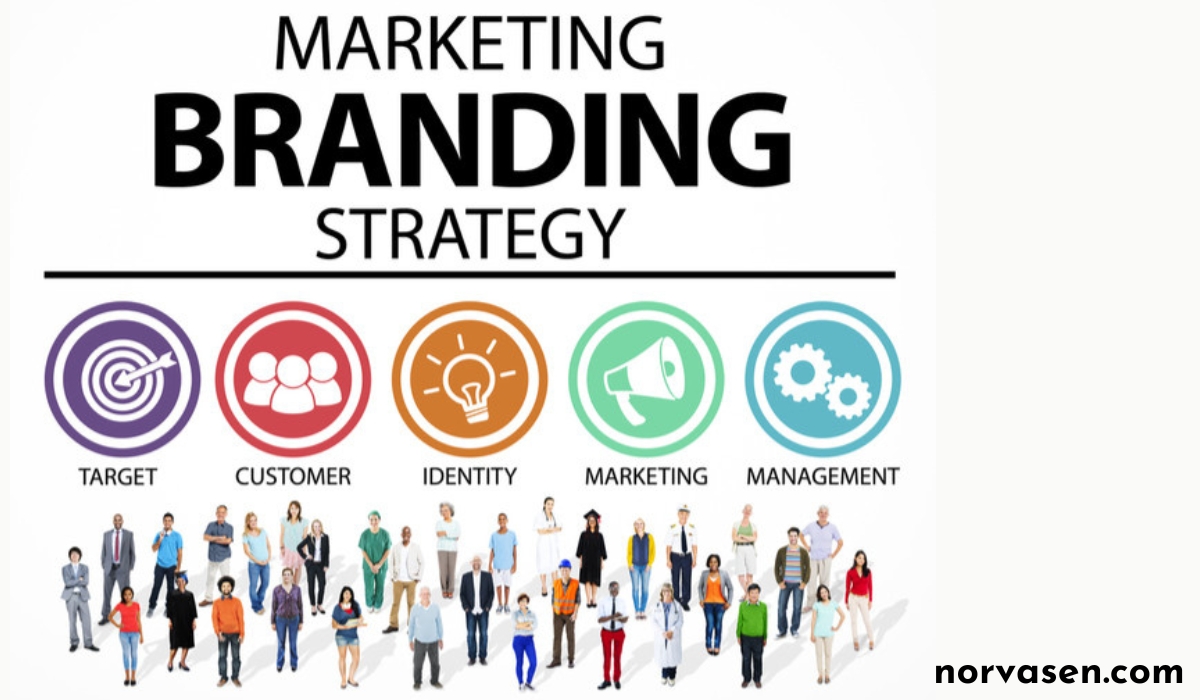
Developing an impactful brand and marketing strategy is crucial for any business striving to stand out in today’s competitive landscape. Though often used interchangeably, these strategies serve distinct purposes, each playing a pivotal role in shaping a company’s identity and success. Understanding the key difference between brand and marketing strategies is essential for businesses aiming to build a strong and lasting presence in the market.
A brand strategy encompasses a company’s fundamental essence. The blueprint defines what a brand stands for, its values, and its unique proposition in the market. A well-defined brand strategy goes beyond just products or services; it encapsulates the emotional connection a brand seeks to establish with its audience. It sets the tone for all customer interactions, guiding everything from product development to customer service.
On the other hand, a marketing strategy focuses on the tactical aspects of promoting a brand’s products or services. It outlines the specific actions and channels to reach and engage the target audience. While brand strategy is about creating a long-term vision and identity, marketing strategy is about executing campaigns and initiatives to drive short-term results. Engage with Brand Strategy NYC experts for effective brand strategies for your business.
In this article, we will explore the key differences for marketing Vs. brand strategy.
Understanding Brand Strategy Vs. Marketing Strategy
Understanding the distinction between brand and marketing strategies is crucial for any business looking to build a robust and lasting presence in the market. The brand strategy focuses on the long-term development and management of a brand to create a unique and favorable perception among consumers. It involves defining the brand’s purpose, values, personality, and positioning in the market relative to competitors.
Marketing strategy, on the other hand, is more tactical and focuses on promoting products or services to achieve specific business objectives, such as increasing sales or market share. While brand strategy lays the foundation for how a brand is perceived, marketing strategy determines how the brand’s message is communicated and delivered to the target audience. Both strategies are essential for building a successful brand, with brand strategy providing the overarching direction and marketing strategy executing specific initiatives to drive brand growth and engagement.
The Differences: Branding Strategy Vs. Marketing Strategy
- Focus and Scope
Brand and marketing strategies are two essential components of a company’s overall business plan that play distinct roles in achieving organizational goals. The brand strategy focuses on creating a unique identity, encompassing elements such as brand values, mission, and personality. It aims to establish a solid emotional connection with consumers and differentiate the brand from competitors.
On the other hand, marketing strategy deals with the practical aspects of promoting products or services to target audiences through channels like advertising, social media, and public relations. While brand strategy sets the foundation for how a brand wants to be perceived by consumers in the long term, marketing strategy focuses on short-term tactics to drive sales and reach specific marketing objectives. Visit the Market Research Company in Chicago for effective marketing strategies for your business.
- Time Horizon
One key difference lies in their time horizons when distinguishing between brand and marketing strategies. The brand strategy typically takes a long-term view, focusing on building and maintaining a strong brand identity over time. This involves defining the brand’s core values, mission, and vision to guide all aspects of the business.
On the other hand, marketing strategy often has a shorter time horizon, concentrating on specific campaigns and tactics to achieve immediate goals such as increasing sales or launching a new product. While both strategies are essential for overall business success, understanding their distinct time frames can help organizations plan and execute their strategy effectively.
- Competitive Advantage
Competitive advantage is a key aspect that distinguishes brand strategy from marketing strategy. While marketing strategy focuses on promoting products or services to target customers, brand strategy delves deeper into creating a unique and sustainable competitive advantage for the company.
The brand strategy encompasses the overall perception and positioning of the brand in the minds of consumers, aiming to establish a strong emotional connection and loyalty. On the other hand, marketing strategy involves specific tactics such as advertising, pricing, and distribution to drive sales and achieve short-term objectives. By understanding and leveraging the nuances between brand and marketing strategies, businesses can build a solid foundation for long-term success in today’s competitive marketplace.
- Core Purpose
Brand and marketing strategies are distinct in a company’s overall business approach. The core purpose of brand strategy is to define the long-term vision, values, and positioning of a brand in the market. It is concerned with building brand equity, creating brand loyalty, and shaping how consumers perceive the brand.
On the other hand, marketing strategy focuses on the tactical aspects of promoting products or services to target audiences through various channels. It involves market research, advertising campaigns, pricing strategies, and distribution channels to drive sales and achieve specific marketing objectives. While both methods are interconnected, understanding their unique purposes is crucial for developing a comprehensive approach that effectively communicates the brand’s identity while driving sales and growth.
- Resource Allocation
Resource allocation is a key differentiator between brand strategy and marketing strategy. The brand strategy focuses on building a solid brand identity, which involves allocating resources to create brand awareness, develop brand messaging, and establish brand positioning in the market.
On the other hand, marketing strategy involves resource allocation towards specific marketing tactics and campaigns aimed at promoting products or services, generating leads, and driving sales. While both strategies require effective resource allocation to achieve their respective goals, the focus of allocation differs based on whether the emphasis is on building a brand or executing marketing initiatives.
- Customer Relationship
One key difference between branding strategy and marketing strategy lies in their approach to customer relationships. The brand strategy focuses on building a strong emotional connection and customer loyalty by establishing a unique brand identity and positioning in the market. This involves creating a consistent brand image, messaging, and values that resonate with the target audience.
On the other hand, marketing strategy is more tactical and revolves around promoting products or services through various channels to drive sales and conversions. While both approaches aim to attract and retain customers, brand strategy prioritizes long-term relationships and brand perception, whereas marketing strategy focuses on short-term campaigns and sales objectives.
In Conclusion
While brand and marketing strategies are closely related, they serve distinct purposes in shaping a company’s overall approach to market positioning and customer engagement. The brand strategy focuses on defining and communicating a brand’s essence, values, and purpose to create long-term emotional connections with customers. On the other hand, marketing strategy revolves around specific tactics and channels used to promote products or services, focusing on short-term goals such as increasing sales or market share. Both are essential components of a successful business strategy, working together to build and sustain a strong brand presence in the market.



When it comes to the luxury real estate market of Southwest Florida, standing out is a considerable feat. Janet Berry Luxury Home Team has not only managed to stand out; they’ve carved out a niche as one of the region’s most reputable real estate services. Catering to the most discerning clientele, Janet Berry’s team does not merely sell properties—they curate experiences and help you find a slice of paradise that resonates with your personal vision and lifestyle. Join us as we explore the inner workings of this top-tier real estate enterprise in a region as stunning and sought-after as the properties they represent.
With a focus on the most opulent listings in the area, Janet Berry’s website has become a digital oasis for home buyers and investors with an eye for luxury. Their strong presence in the market, particularly in golf communities, and high-end neighborhoods like Pelican Bay and Old Naples, signifies a team that understands the subtleties of this sophisticated market. Their dedication to personalized service combined with state-of-the-art technology has set them apart as leaders, guiding clients through the process of buying and selling with expertise and ease.
A Showcase of Exclusivity: Janet Berry’s Luxury List
One cannot mention Janet Berry Home Team without marveling at their collection of luxury properties. These homes aren’t just buildings; they’re statements, they’re art, and they’re dream homes come to life. The team’s website is a virtual gallery of the most distinctive homes in Southwest Florida where oceanfront estates meet sprawling golf course villas. From the quaint streets of Port Royal to the modernist spaces of Aqualane Shores, each property listed is a testament to the team’s acute understanding of what luxury means to their clientele.
But what truly sets Janet Berry’s portfolio apart is the intimate knowledge each listing exudes. The video tours, the stunning professional photographs, and meticulously crafted descriptions provide a deep sense of the property’s essence. Each listed home is not just depicted; it is understood, with features highlighted to match the specific needs of potential buyers, from state-of-the-art kitchens to panoramic views of the Gulf of Mexico. This mastery of digital presentation makes the Janet Berry website an essential stop for anyone looking to satiate their luxury real estate cravings.
The Heart of the Team: Personalized Service and Expertise
At the core of every successful real estate team are its people, and Janet Berry’s team is no exception. Led by Janet Berry herself, the team is renowned for its dedication to each client’s unique needs, offering a personalized experience that is second to none. Their expertise is as vast as the horizon that meets the Gulf, with an in-house team of real estate professionals who collectively capture the essence of the luxury market. From market analysts to real estate lawyers, their team is a comprehensive unit ensuring that every transaction is as smooth as it is lucrative.
Understanding the paradigms of luxury real estate and the impact of local regulations on the market, Janet Berry’s team goes beyond the transaction. They provide insights and advice backed by years of experience, ensuring that clients make informed decisions. This dedication to expertise coupled with their commitment to personalized service is what fosters loyalty among their client base and keeps them coming back for their real estate needs.
The Technology Advantage: Real-Time Market Updates and Tools
Janet Berry Home Team fully understands that in the digital age, knowledge is power, and they arm their clients with the latest tools. Their website offers real-time market updates, insights into the current trends, and easy-to-use tools to track property valuation and sales history. For the tech-savvy luxury buyer or seller who demands the most current information, Janet Berry’s strategy puts them decisively ahead.
Their use of technology extends beyond the web presence. The team employs the latest in real estate software to streamline the buying and selling processes, making transactions more efficient and transparent. This commitment to technology integration makes the Janet Berry Home Team approach not only forward-thinking but also exceptionally client-oriented.
A Niche Within a Niche: Focusing on Golf Communities and Prestigious Neighbourhoods
Southwest Florida is dotted with prestigious communities, and Janet Berry’s team has secured a leading position in marketing these properties. Golf communities are a particular focus, given the region’s reputation as a golfer’s paradise. The team’s expertise in these specialized markets, including the intricacies of club memberships and property values, ensures they can find the perfect fairway home or help you sell one with unquestionable finesse.
Whether it’s a contemporary masterpiece in Pelican Bay or a historic home in Old Naples, Janet Berry’s team is well-versed in the unique features that define these sought-after locales. By understanding the nuances of each neighborhood and its market trajectory, the team is an invaluable ally for anyone looking to buy or sell in these exclusive areas.
Connecting Buyers with their Dreams
For luxury home seekers, the process of finding the perfect retreat can be overwhelming. Janet Berry Home Team works to turn the overwhelming into the inspiring. Whether you’re on the hunt for a waterfront villa, a private island estate, or a penthouse in the sky, the team’s commitment to understanding their client’s dream enables them to connect on a deeper level.
They don’t just show homes; they show potential futures. They understand that each square footage tells a story of a life well lived, a family gathered, or a sunset enjoyed. This level of empathy combined with their professional acumen makes Janet Berry’s team adept at finding not just any home, but the home that resonates with your soul.
You Might Also Like: Unlock Potential: Explore Pikruos Services
Conclusion: The Luxury Real Estate Journey With Janet Berry Home Team
The Janet Berry Home Team’s approach to luxury real estate is a marriage of art and precision. They curate experiences that go beyond a simple transaction, ensuring that the process of acquiring a luxury property is as beautiful and fulfilling as the property itself. Their strategic blend of personalized service, expertise, and technology has set them apart in Southwest Florida’s bustling real estate market. For anyone looking to sell or invest in luxury real estate, Janet Berry Home Team’s website is a treasure trove, and their team, a beacon of knowledge and trust in the luxury real estate landscape of Southwest Florida.
If you are ready to take the next step in your luxury real estate endeavor, Janet Berry Home Team is poised to guide you through with grace and excellence. Welcome to the world of South Florida’s premier luxury real estate services – where each client is treated like family, and every property is a work of art that’s just waiting for the perfect connoisseur to call it home.


Long-distance office relocations require careful planning, logistics, and coordination. As with planning any event, mistakes are unavoidable, and in this case even minor errors can escalate into major problems that are difficult or costly to fix once the move is underway.
While many challenges are inherent to moving operations, several mistakes can be prevented through careful preparation and professional oversight https://bestmovescalgary.ca/long-distance-moving-services/. To better prepare for the relocation it is better to keep in mind these avoidable mistakes:
- Failing to catalog office equipment, furniture, and supplies accurately can result in lost items, missing parts, or duplicate shipments. This issue is particularly problematic when sensitive technology, specialized furniture, or essential documents are involved. Creating a complete, detailed inventory before the move allows movers and managers to track every item, reducing the risk of permanent loss or replacement costs.
- Computers, servers, and audiovisual equipment should be packed properly as they are highly sensitive to shock, temperature fluctuations, and moisture. Using inappropriate packing materials or skipping protective measures can result in hardware failure, data loss, or costly repairs. Professional movers mitigate these risks by supplying specialized crates, anti-static packaging, and cushioning techniques designed specifically for delicate office technology.
- Disorganization of critical documents also presents major challenges. Legal files, financial records, and personnel information often require secure, labeled, and traceable transport. Failing to properly classify and store these documents can result in misplaced documents, unauthorized access, or delays in reestablishing operational functionality. Advance planning, including the use of secure containers and digital tracking systems, can help prevent these issues entirely.
- Long-distance moves often require navigating unfamiliar highways, bridges, and urban streets. Trucks may encounter low clearance, narrow passages, or weight restrictions. Without pre-assessment and route optimization, vehicles may be delayed or forced to take a different route, which adds time and cost. Selecting a route based on truck dimensions and traffic patterns is a preventive measure that avoids such complications.
- Errors in furniture disassembly and reassembly are also difficult to rectify. Modular office furniture, cubicles, and conference tables require proper disassembly to prevent structural damage. Incorrect handling may result in warped panels, stripped screws, or compromised stability. Documented procedures and professional handling ensure that items arrive intact and operational at the new location quickly.
- Office relocations can disrupt workflows if insufficient time is allocated for unloading, setting up, and reconnecting technology. Misjudging these timelines can delay business operations for days. To prevent this, detailed scheduling, staged planning, and coordination with movers are required to maintain operational continuity.
Each of these mistakes is largely preventable through foresight, preparation, and the expertise of professional movers. Addressing these issues in advance ensures a smoother, safer, and more efficient long-distance office relocation.
READ ALSO: Moving Services in Melbourne: A Comprehensive Guide


When navigating the complexities of a lawsuit, the financial burdens can quickly become overwhelming. Between mounting medical bills, essential living expenses, and the potential loss of income due to time off work, the waiting period for a settlement check can seem interminable and create immense stress. This is precisely where same-day settlement loans offer a vital solution.
If you find yourself in urgent need of rapid access to cash while your legal case is still pending, this comprehensive guide is designed to provide you with all the crucial information you need. We will delve into every aspect of these unique financial tools, from a detailed explanation of how these loans function to an exploration of their significant benefits, and what you can expect throughout the entire process. Our aim is to demystify same-day settlement loans, empowering you with the knowledge to make informed decisions during a challenging time.
What Is a Settlement Loan?
A settlement loan (also known as pre-settlement funding, lawsuit funding, or litigation financing) gives you a cash advance based on the expected value of your pending lawsuit. That means you can get money now to help cover your expenses while your case is still being resolved. Once your case settles or you win in court, you repay the loan from your settlement proceeds.
A settlement loan, often referred to as pre-settlement funding, lawsuit funding, or litigation financing, provides individuals with a crucial financial lifeline in the form of a cash advance. This advance is calculated based on the anticipated value of their pending lawsuit, offering a vital solution during what can often be a protracted and financially challenging legal process.
Advantages
The fundamental advantage of this type of funding is that it enables plaintiffs to access money immediately. This cash infusion can be used to cover a wide array of expenses that inevitably arise while a legal case is still in the process of being resolved. These expenses might include, but are not limited to, daily living costs such as rent or mortgage payments, utility bills, groceries, and transportation. Furthermore, it can help plaintiffs manage medical bills and ongoing treatment costs related to their injuries, especially if their lawsuit stems from a personal injury claim. Without such funding, many plaintiffs might feel pressured to accept a low settlement offer prematurely due to financial duress, even if a larger award is likely with further legal proceedings.
The structure of a settlement loan is designed to align with the outcome of the legal case. Once a settlement is reached, or a favorable judgment is secured in court, the loan is repaid directly from the proceeds of that settlement or award. This arrangement is non-recourse, meaning that if the plaintiff loses their case and receives no settlement or judgment, they are generally not obligated to repay the loan. This characteristic significantly reduces the financial risk for the plaintiff, as the funding company assumes the risk of the lawsuit’s outcome.
In essence, settlement loans empower plaintiffs to navigate the legal system with greater financial stability, allowing their legal teams to pursue the best possible outcome without the added pressure of immediate financial hardship. It ensures that justice is not compromised by economic constraints, providing a bridge between the initiation of a lawsuit and its ultimate resolution.
Common types of cases that may qualify include:
- Personal injury
- Wrongful death
- Slip and fall accidents
- Medical malpractice
- Product liability
Same-Day Settlement Loans vs. Traditional Loans
Unlike traditional bank loans, same-day settlement loans don’t require:
- A credit check
- Proof of income
- Employment verification
Funding decisions are based solely on the strength and estimated value of your case; not your financial history.
Best of all, approval and funding can often happen within hours, not days or weeks.
READ ALSO: Payday Loans and Your Credit Score: Separating Myth from Fact
Why Choose a Pre-Settlement Loan?
A pre-settlement loan can help you cover:
- Medical bills
- Legal fees
- Rent and utilities
- Everyday living expenses
This financial relief allows you and your attorney the time to fight for the maximum settlement, without feeling pressured to accept a low offer just to make ends meet.
Before choosing a lender, take time to compare companies, interest rates, and terms. A reputable lender will offer transparent rates and a free case evaluation before you sign anything.
How Much Does a Lawsuit Loan Cost?
There are no upfront fees or out-of-pocket costs.
The total repayment amount (including interest) is clearly outlined in a non-binding agreement, and payment is only due if you win your case.
What Happens If You Lose Your Case?
If you lose your lawsuit, you generally owe nothing.
That’s because settlement loans are non-recourse, meaning the lender assumes the risk. You only repay if you receive compensation.
Other Benefits of Same-Day Settlement Loans
- No Credit Required: Approval is based on your case, not your credit score.
- Fast Access to Cash: Many applicants receive funding within 24 hours.
- Negotiation Power: You can take the time you need to negotiate a fair settlement — without financial stress dictating your decisions.
How Do Settlement Loans Compare to Payday Loans?
While both options provide quick cash, payday loans often come with extremely high interest rates (sometimes over 400–500% APR). They also require proof of income and must be repaid from your next paycheck; often trapping borrowers in a cycle of debt.
In contrast, lawsuit loans are tied to your case’s outcome, not your income. You don’t repay until you win.
Secured vs. Unsecured Loans
- Secured loans (like auto or home loans) use collateral such as your car or property, which the lender can seize if you fail to pay.
- Unsecured loans have no collateral but often carry higher interest rates, and may involve hidden fees.
Settlement loans are a unique form of unsecured financing that’s risk-free for the borrower because repayment depends solely on your legal win.
Tips for a Successful Lawsuit
- Hire an experienced attorney who specializes in your case type.
- Be patient. Legal cases often take longer than expected.
- Cooperate with your attorney on discovery and document requests.
- Attend settlement conferences to understand your case’s potential value.
- Prepare for depositions and always present yourself professionally in court.
Get Fast Legal Funding Today
If you’re struggling to pay bills while waiting for your settlement, same-day settlement loans can give you the breathing room you need to stay financially stable and focused on your recovery.
Contact us today to learn more about our quick, risk-free settlement funding options. Get the cash you need, when you need it most.
YOU MAY ALSO LIKE: Instant Loans vs. Traditional Loans: Which One Is Right for You?
-

 Education1 year ago
Mastering Excel: Your Comprehensive Guide To Spreadsheets And Data Analysis
-

 Tech1 year ago
How To Choose The Best Forex Trading Broker?
-

 Business2 years ago
Exploring the Rental Market: Properties for Rent in Malta
-

 Blog1 year ago
Arab MMA Fighters Shine Bright: Meet the Champions of PFL MENA
-

 Travel2 years ago
Experience the Best Desert Safari Dubai Offers!
-

 How-To Guides2 years ago
Comprehensive Guide to Cockwarming: Enhancing Intimacy and Connection
-

 Home Improvement2 years ago
Eco-Friendly Round Rug Options for Sustainable Living in NZ
-

 Fashion2 years ago
Black Magic: The Elegance and Sophistication of Ultimate Homecoming Dresses in Black