
How-To Guides
Why Monitoring Your Application is Important

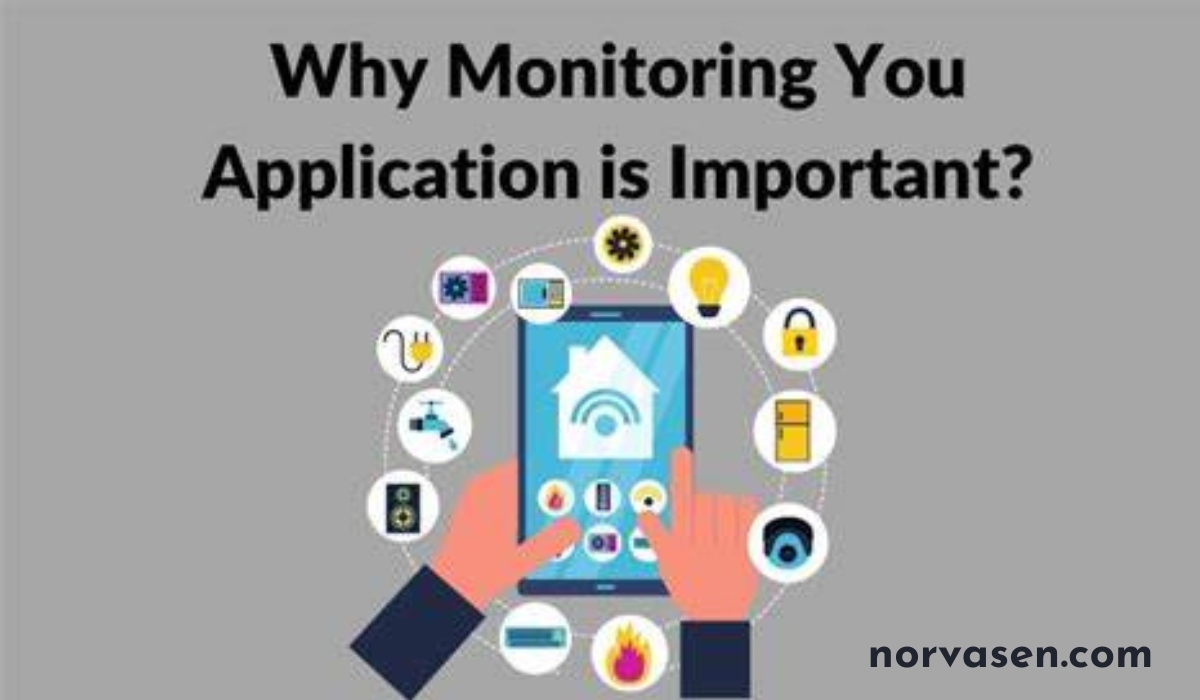
In the fast-paced world of software development, ensuring that applications perform optimally, remain available, and deliver an exceptional user experience is paramount. For developers, application performance monitoring (APM) is an essential practice that enables them to achieve these goals. But what exactly is APM, and why is it so crucial? This comprehensive guide will delve into the importance of monitoring your application, the core components and processes of APM, and the future trends that will shape its evolution.
Introduction to APM
Definition
Application Performance Monitoring (APM) is the practice of monitoring and managing the performance and availability of software applications. It involves collecting and analyzing various performance metrics to ensure applications run smoothly and efficiently. At its core, APM aims to detect, diagnose, and resolve performance issues to maintain optimal application functionality.
Importance
APM is vital for several reasons:
- Ensures Optimal Performance: By continuously monitoring applications, developers can identify and resolve performance bottlenecks, ensuring the application runs efficiently.
- Enhances User Experience: A well-performing application provides a seamless experience for users, reducing frustration and increasing satisfaction.
- Operational Efficiency: Monitoring allows for the proactive management of resources, ensuring that applications remain available and responsive.
Core Components of APM
Metrics Collection
Collecting key performance metrics is the foundation of APM. These metrics include:
- Response Time: The time taken for an application to respond to user requests.
- Throughput: The number of transactions processed by the application in a given time period.
- Error Rates: The frequency of errors occurring within the application.
By monitoring these metrics, developers can identify performance bottlenecks and potential issues.
Instrumentation
Instrumentation involves adding monitoring code or agents to applications to collect performance data. This can be done manually, by inserting specific monitoring code, or automatically using tools like OpenTelemetry, Elastic, or IBM’s APM solutions.
Tracing and Debugging
Detailed tracing and debugging involve tracking the flow of transactions within an application to identify and fix issues at the code level. This includes:
- Transaction Profiling: Analyzing transactions to understand their performance characteristics.
- Code-Level Tracing: Identifying performance issues within the code itself, allowing for precise debugging and optimization.
Types of Monitoring in APM
Real User Monitoring (RUM)
Real User Monitoring (RUM) collects data on actual user interactions with the application, measuring performance from the end-user perspective. This type of monitoring helps developers understand how real users experience the application and identify areas for improvement.
Synthetic Monitoring
Synthetic monitoring system (SMS) uses artificial transactions to simulate user behavior. By running these simulations, developers can identify potential performance issues before they impact real users. OutSystems and similar platforms provide tools for effective synthetic monitoring.
Infrastructure Monitoring
Infrastructure monitoring focuses on the underlying infrastructure that supports the application, such as servers and networks. Monitoring these components helps detect issues that could affect application performance. OutSystems and other platforms offer robust infrastructure monitoring solutions.
APM Processes
Data Analysis
Aggregating and analyzing performance data is a critical APM process. By examining the collected data, developers can detect potential problems and identify trends that may impact application performance.
Alerting
Setting up alerts to notify stakeholders of performance deviations is essential for proactive issue management. Tools like Splunk and IBM’s APM solutions provide robust alerting mechanisms to ensure timely notifications.
Reporting
Providing detailed reports to stakeholders facilitates informed decision-making. Reports should include key performance metrics, identified issues, and recommended actions. Regular reporting helps maintain transparency and track progress over time.
Key APM Metrics
Response Time
Response time measures how long it takes for an application to respond to user requests. High response times can indicate performance bottlenecks that need to be addressed.
Error Rate
The error rate measures the frequency of errors occurring within the application. A high error rate can signal underlying issues that require immediate attention.
Throughput
Throughput measures the number of transactions processed by the application in a given time period. Monitoring throughput helps ensure the application can handle the expected load.
Server Health
Server health metrics include CPU usage, memory demands, and other server-related metrics. Monitoring these metrics helps ensure the underlying infrastructure is performing optimally.
Apdex Score
The Apdex (Application Performance Index) score is a standardized measure of user satisfaction with application performance. It provides a clear indication of how well the application meets user expectations.
Benefits of APM
Improved Stability and Uptime
APM enables proactive identification and resolution of issues before they impact users. This leads to improved application stability and uptime, ensuring that the application remains available and reliable.
Enhanced User Experience
By ensuring applications run smoothly, APM enhances the user experience. Users are more likely to be satisfied with an application that performs well and is free of errors.
Increased Productivity
APM streamlines troubleshooting processes, reducing the mean time to recovery (MTTR) when issues arise. This allows developers to focus on more strategic tasks, increasing overall productivity.
Challenges in APM
Complexity of Modern Applications
Modern applications are often distributed and cloud-native, making them complex to monitor. Effective APM solutions must be able to handle this complexity and provide comprehensive monitoring across all components.
Data Overload
Managing and analyzing the massive amounts of data generated by monitoring can be challenging. Developers must be able to filter out irrelevant data and focus on the most critical performance issues.
Integration
Ensuring APM tools integrate well with existing systems and workflows is essential for seamless monitoring. Developers must choose APM solutions that are compatible with their current infrastructure.
Future of APM
Observability
The future of APM extends beyond traditional monitoring to encompass observability. Observability involves collecting and analyzing data in real-time to gain deeper insights into application performance. This allows for more proactive issue detection and resolution.
AI and AIOps
Artificial Intelligence (AI) and AIOps (AI for IT Operations) are set to revolutionize APM. By utilizing AI, developers can predict, detect, and resolve performance issues autonomously, leading to self-healing applications. Elastic and IBM are examples of companies that are pioneering AI-driven APM solutions.
YOU MAY ALSO LIKE
Maximizing Server Efficiency: Monitoring, Optimization, and Caching Strategies
Conclusion
Monitoring your application is not just important; it’s essential for ensuring optimal performance, enhancing user experience, and maintaining operational efficiency. Application Performance Monitoring (APM) provides developers with the tools and insights needed to achieve these goals. By understanding the core components and processes of APM, developers can effectively monitor and manage their applications, ensuring they meet user expectations and remain competitive in the market.
The future of APM is bright, with advancements in observability and AI set to provide even deeper insights and more proactive issue resolution. As modern applications continue to evolve, so too must our approach to monitoring them. By staying ahead of the curve and leveraging the latest APM technologies, developers can ensure their applications are always performing at their best.
Remember, effective APM is not just about detecting and resolving issues; it’s about continuously improving application performance and delivering the best possible experience for users. So start monitoring your applications today and unlock the full potential of your software.
If you’re looking to get started with APM, consider tools like Jasper, which offer comprehensive monitoring solutions tailored to your needs. Sign up for Jasper for free and explore how effective monitoring can transform your application performance.
By embracing APM, you’ll not only improve the reliability and efficiency of your applications but also gain a competitive edge in the ever-evolving software landscape.
Frequently Asked Questions (FAQs)
1. What is Application Performance Monitoring (APM)?
Application Performance Monitoring (APM) is a comprehensive solution that monitors the performance and availability of software applications to ensure they run smoothly and efficiently.
2. Why is APM important for modern applications?
APM is crucial for detecting and resolving performance issues quickly, ensuring high availability, optimizing user experience, and maintaining operational efficiency.
3. How does APM improve user experience?
APM improves user experience by identifying and fixing performance bottlenecks and errors, leading to faster response times and more reliable applications.
4. What are key APM metrics to monitor?
Key APM metrics include response time, error rate, throughput, server health, and Apdex score, which provide insights into different aspects of application performance.
5. How is AI revolutionizing APM?
AI enhances APM by enabling predictive analytics, autonomous issue detection, and resolution, leading to self-healing applications and more proactive performance management.


Telegram has become one of the most popular messaging apps for people who want fast communication, strong privacy, and easy file sharing. Many users in China and Chinese-speaking communities search for ways to install and use Telegram smoothly on their devices. Whether you use Android, iPhone, Windows, or Mac, learning the correct setup process can save time and avoid common problems.
Many users search for telegram下载 because they want a secure messaging app that supports voice calls, group chats, file sharing, and private communication. In this guide, you will learn how to install Telegram on Chinese devices, adjust language settings, and use its main features without confusion.
Why Telegram Is Popular Among Chinese Users
Telegram is known for its speed and clean interface. Unlike many messaging apps, it allows users to send large files, create channels, and join communities with thousands of members. It also works across multiple devices at the same time.
Another reason people prefer telegram中文 versions is the availability of language support and simple navigation. Chinese-speaking users can change the app language and customize settings according to their needs. The app is also lightweight, making it suitable for older smartphones and tablets.
How to Download Telegram on Android Devices
Downloading Telegram on Android is simple if you follow the right steps. First, open your browser or app marketplace and search for the latest Telegram APK or official app version.
Here are the basic steps:
Step 1: Find a Trusted Source
Always download Telegram from a trusted website or official app store. This helps avoid fake apps or security risks. Many users search for telegram下载 to find safe installation files for Android devices.
Step 2: Enable Unknown Sources
If you install an APK file manually, go to your phone settings and allow installation from unknown sources. This option is usually found in the security section.
Step 3: Install and Open the App
After downloading the file, tap install and wait a few seconds. Once installed, open Telegram and register using your phone number.
How to Use Telegram on iPhone and iPad
iPhone users can install Telegram directly from the App Store. Search for Telegram Messenger and download the latest version.
After installation, open the app and follow these steps:
- Enter your mobile number
- Verify your account with the SMS code
- Set your profile name and picture
- Start chatting with contacts or groups
Many Apple users prefer telegram中文 settings because the translated interface makes navigation easier for beginners.
Setting Telegram to Chinese Language
Some devices install Telegram in English by default. Luckily, changing the language is very easy.
Change Language Settings
- Open Telegram settings
- Tap “Language”
- Select Chinese or Simplified Chinese
- Restart the app if needed
After completing these steps, your app will display menus and options in Chinese. This improves usability for users who are more comfortable reading Chinese text.
Best Features of Telegram
Telegram offers many useful features that make it different from regular messaging apps.
Fast File Sharing
Users can send videos, documents, music files, and photos without heavy compression. This feature is useful for students, office workers, and content creators.
Large Group Support
Telegram groups can support thousands of members. Communities use these groups for discussions, updates, and online learning.
Privacy and Security
Telegram provides encrypted chats and privacy controls. Users can hide phone numbers, block unknown contacts, and use two-step verification for better account protection.
Because of these features, searches for telegram下载 continue to grow among users looking for secure communication tools.
Tips for Better Telegram Experience
Using Telegram becomes easier when you know a few important tips.
Keep the App Updated
Always install the latest version to improve performance and security. Updates often fix bugs and add new features.
Use Cloud Storage Features
Telegram stores messages and media in the cloud. This means you can access your files from multiple devices without losing data.
Organize Chats
Create folders for work, family, and personal chats. This makes the app cleaner and easier to manage.
Protect Your Account
Enable two-factor authentication and use a strong password. This helps keep your conversations secure.
Common Problems and Solutions
Some users may face installation or login issues on Chinese devices.
App Not Installing
Check your storage space and internet connection. Also, make sure the APK file is fully downloaded.
Verification Code Not Received
Wait a few minutes and try again. Sometimes network delays can slow SMS delivery.
Language Not Changing
Restart the app after selecting Chinese language settings. In most cases, this solves the problem immediately.
Users searching for telegram中文 guides often face these small setup issues during installation.
Conclusion
Telegram is a powerful messaging platform for users who want speed, privacy, and easy communication across devices. Installing the app on Chinese Android phones, iPhones, or desktop computers is simple when you follow the correct steps.
Whether you search for telegram下载 to install the app or want to use telegram中文 settings for a better experience, Telegram offers flexible features that work well for personal and professional communication. By keeping the app updated and using its security features properly, users can enjoy safe and smooth messaging every day.

Why Underground Fuel Tanks Eventually Need Removal
Across industrial and commercial properties, underground fuel tanks have served as reliable storage systems for decades. But as tanks age, they begin to corrode, weaken, and pose environmental risks that can no longer be ignored. That is why gas tank removal underground becomes an essential part of responsible facility management. These tanks operate out of sight, but their condition directly impacts safety, compliance, and long-term operational stability.
Underground tanks deteriorate in ways that are difficult to detect without professional inspection. Soil moisture, shifting ground, and constant exposure to fuel can create structural weaknesses that compromise the tank’s integrity. Even a small leak underground can spread contaminants far beyond the property line. Removing old tanks before these failures occur protects both the business and the environment.
How Underground Tanks Begin to Deteriorate
Unlike above-ground systems, underground tanks face constant pressure from surrounding soil. Moisture sits against the tank walls for years, gradually breaking down protective coatings. Fuel often contains additives and sediments that accelerate internal corrosion. Temperature changes expand and contract the steel, weakening welds and seams. Over time, these factors contribute to the need for gas tank removal underground before the tank reaches a critical point.
Many tanks installed 20 to 40 years ago were not designed to meet today’s environmental standards. Their materials and coatings eventually reach the end of their lifespan, making removal the safest and most responsible option.
Why Professional Removal Is Non-Negotiable
Removing an underground fuel tank is a highly regulated process. It requires specialized equipment, environmental expertise, and strict safety procedures. Even empty tanks can contain vapors that pose fire or explosion risks. Professionals manage this work using controlled methods that prevent accidents and protect the surrounding property.
A professional team begins by locating the tank precisely, exposing it through careful excavation, and removing any remaining product or vapors. Once the tank is safe to handle, it is lifted from the ground and prepared for disposal. Every step must be executed with precision to ensure compliance with environmental and safety regulations.
How the Removal Process Is Carried Out Safely
The process of gas tank removal underground follows a sequence designed to control risk and maintain stability. The area above the tank is excavated gradually to avoid damaging nearby utilities or structures. Once the tank is uncovered, specialists clean the interior to eliminate residual fuel and vapors. Only after this cleaning is complete can the tank be safely cut, lifted, or transported.
The team also inspects the surrounding soil for any signs of contamination. If contamination is discovered, additional cleanup steps must be taken to restore the site. These environmental safeguards ensure the property remains safe for future use and meets all regulatory expectations.
Why Environmental Testing Is a Central Part of Removal
Soil and groundwater testing confirm whether the tank leaked during its lifetime. This testing is not optional; it is required by environmental agencies to protect surrounding land and water sources. The results determine whether remediation is needed before the site can be cleared.
Testing provides critical information, such as the presence of petroleum residues, the depth of contamination, and whether nearby structures or land features may be affected. This data becomes part of the documented record that proves gas tank removal underground was completed responsibly and in accordance with regulations.
How Removal Supports Regulatory Compliance
Industries that use underground fuel tanks must comply with strict standards set by environmental authorities. Failing to remove a failing or outdated tank can result in fines, operational restrictions, or long-term liability. Removal demonstrates that the facility is taking preventive action to protect the environment and maintain safe operations.
Compliance is not just about avoiding penalties. It’s about safeguarding the long-term viability of the property. A well-executed removal shows regulators, auditors, and stakeholders that the business manages environmental responsibilities with care.
The Challenges of Working Beneath the Surface
Underground tank removal demands expertise because the work occurs in a concealed and unpredictable environment. Soil types vary widely, and conditions underground can change quickly during excavation. Tanks may be located near building foundations, active utilities, or paved surfaces that limit access. Professionals plan each removal carefully to avoid damaging surrounding structures.
Weather also plays a role. Heavy rain, heat, or freezing temperatures influence soil stability and require adjustments on the job. Despite these challenges, skilled removal teams complete the process with minimal disruption to facility operations.
Why Early Removal Protects Property Value
Allowing an old underground tank to remain in place can create risks that undermine the property’s long-term value. Even inactive or empty tanks can contain residue that contaminates soil over time. Many buyers, insurers, and lenders require proof that outdated tanks have been removed properly before approving transactions or underwriting coverage.
Early gas tank removal underground prevents these complications. It creates a clear record of responsible environmental management and allows the property to be used, sold, or redeveloped without concerns about hidden risks beneath the surface.
The Long-Term Benefits of Safe Tank Removal
Removing underground tanks strengthens the facility’s environmental profile, reduces long-term liability, and ensures the site meets modern regulatory expectations. It also opens the door for updated storage systems that provide easier maintenance, better monitoring, and improved safety features.
When a tank is removed responsibly, facilities gain confidence in the integrity of their property and reduce the risks associated with aging underground structures. Through proactive planning and expert execution, gas tank removal underground becomes a smart investment in the safety and future of the entire operation.

The workplace should be a place of safety and respect for all individuals. However, many Australian employees continue to face workplace bullying in one form or another. Workplace bullying can have long-term effects on one’s mental health, productivity, and overall well-being, and must be addressed in accordance with Australian laws and regulations.
What Is Workplace Bullying?
Workplace bullying is any form of repeated, unreasonable behaviour towards another coworker. This type of behaviour can be seen in many different ways, such as:
- Physical or verbal abuse or harassment
- Spreading rumours or malicious gossip
- Withholding information needed to do your job
- Intimidation, humiliation, threats, or belittlement
- Exclusion from work-related activities
- Unreasonable demands
Anyone can be a perpetrator or a victim of workplace bullying. This eventually leads to a decline in mental health, decreased productivity, increased stress, and isolation.
What to Do If You’re a Victim of Workplace Bullying
Workplace bullying should be dealt with immediately. Here are some ways to address the situation.
- Keep detailed records of all incidents (dates, times, who was involved, any specific acts, etc.).
- Approach a trusted colleague or superior about the incident.
- Approach the bully/harasser and tell them that their behaviour is unprofessional and unacceptable.
- Know your rights and familiarise yourself with your company’s anti-bullying policies and local labour laws.
- File a complaint with your company’s HR department. Otherwise, you can talk to your Health and Safety Representative or union representative.
If you are a victim of workplace bullying, remember that you are not alone. Unions and laws such as the Fair Work Commission and the Work Health and Safety Act are dedicated to protecting the rights of employees and promoting a healthy work environment.
How to Prevent Workplace Bullying in the Future
Workplace bullying can be prevented with proper action and policies in place. Here are some ways:
- Clear anti-bullying policies and reporting systems that protect all employees
- Adequate training for all staff
- Proper support systems and regular follow-ups
- Fostering a culture of respect and accountability
Standing Together Against Workplace Bullying
There is absolutely no room for bullying or any kind of intolerable behaviour in the workplace. You can always talk to your union about providing proper support and taking necessary action. Everyone deserves to feel safe, respected, and valued at work, and that starts with speaking up and supporting one another.
YOU MAY ALSO LIKE: C.W. Park USC Lawsuit: A Case Study in Workplace Discrimination
-

 Education2 years ago
Mastering Excel: Your Comprehensive Guide To Spreadsheets And Data Analysis
-

 Tech2 years ago
How To Choose The Best Forex Trading Broker?
-

 Business2 years ago
Exploring the Rental Market: Properties for Rent in Malta
-

 Blog2 years ago
Arab MMA Fighters Shine Bright: Meet the Champions of PFL MENA
-

 Travel2 years ago
Experience the Best Desert Safari Dubai Offers!
-

 Tech2 years ago
The Role Of Experts VS Top Mobile Apps for Green Screen Removal
-

 Home Improvement2 years ago
Eco-Friendly Round Rug Options for Sustainable Living in NZ
-

 How-To Guides2 years ago
Comprehensive Guide to Cockwarming: Enhancing Intimacy and Connection