
Fashion
What Is My Fashion Style

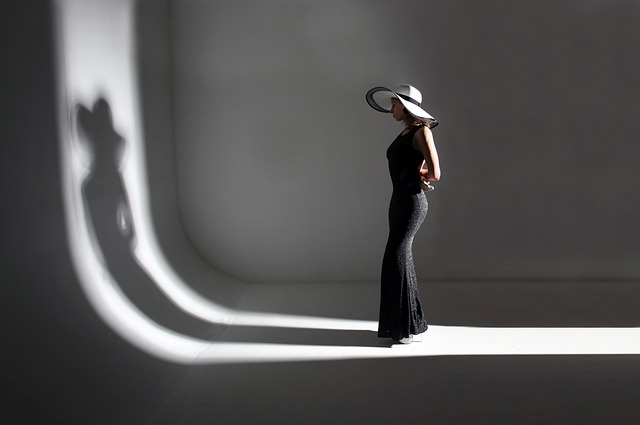
Have you ever stood in front of your closet, overwhelmed by options, yet feeling like you have nothing to wear? You’re not alone. Many of us struggle with the question, “What is my fashion style?” It’s a journey of self-discovery that goes beyond just clothes. Let’s embark on this fashion adventure together with blogsproto.com, exploring the ins and outs of personal style.
What Exactly Is Fashion Style?
Fashion style isn’t just about following trends. It’s your personal signature, a visual representation of who you are. Think of it as your sartorial fingerprint. Your style communicates volumes before you even say a word.
But here’s the kicker: style differs from fashion trends. While trends come and go faster than you can say “crop top,” style endures. It’s timeless, deeply personal, and evolves with you.
“Fashion fades, style is eternal.” – Yves Saint Laurent
This quote nails it. Your fashion style is the thread that weaves through your life, tying together your personality, lifestyle, and self-expression.
Factors That Shape Your Fashion Style
Wondering “what is my fashion style“? Let’s break it down. Your style isn’t born in a vacuum. It’s influenced by a cocktail of factors:
- Personality traits: Are you bold and outgoing or quiet and introspective? Your clothes often mirror your inner self.
- Lifestyle: A corporate lawyer’s wardrobe will likely differ from a yoga instructor’s.
- Body type: Your physique plays a role in what feels comfortable and flattering.
- Cultural influences: Your background and the media you consume shape your aesthetic preferences.
Think of these factors as the ingredients in your style recipe. Mix them up, and voila! You’ve got your unique fashion flavor.
Common Fashion Style Categories
While personal style is, well, personal, fashion experts have identified some common categories. These aren’t rigid boxes to trap you in, but rather starting points to help you answer “what is my fashion style?“
| Style Category | Key Characteristics | Celebrity Example |
| Classic | Timeless, polished | Audrey Hepburn |
| Bohemian | Free-spirited, eclectic | Sienna Miller |
| Minimalist | Clean lines, neutral colors | Calvin Klein |
| Streetwear | Urban, casual-cool | Rihanna |
| Romantic | Soft, feminine | Taylor Swift |
| Edgy | Bold, avant-garde | Lady Gaga |
Remember, these categories aren’t mutually exclusive. Your style might be a mash-up of several, or something entirely unique!
How to Determine Your Fashion Style
Now, let’s get practical. Here are some steps to uncover your personal style:
- Analyze your current wardrobe: What do you wear most often? What makes you feel confident?
- Create a fashion inspiration board: Use Pinterest or Instagram to collect images that resonate with you.
- Take note of compliments: When people praise your outfit, what are you wearing?
- Consider your lifestyle needs: Your clothes should fit your daily activities.
- Experiment: Try on different looks. You might surprise yourself!
Case Study: Sarah’s Style Journey
Sarah, a 28-year-old graphic designer, struggled with her style. Her closet was a mishmash of trendy pieces that never felt quite right. She decided to tackle the question, “what is my fashion style?“
First, she sorted her wardrobe. She noticed she gravitated towards comfortable, artistic pieces in bold colors. Her Pinterest board was full of eclectic, bohemian outfits. She remembered getting compliments when she wore unique, handcrafted jewelry.
Sarah realized her style was a mix of bohemian and artistic. She decluttered her closet, keeping pieces that fit this aesthetic. She invested in quality basics and statement accessories. The result? A wardrobe that felt authentically her.
Building Your Signature Style
Once you’ve got a handle on your style, it’s time to build your signature look. This isn’t about a complete wardrobe overhaul. It’s about curating pieces that speak to you.
- Identify key pieces: What items make you feel like the best version of yourself?
- Mix and match: Experiment with combining different pieces in your wardrobe.
- Accessorize: Sometimes, it’s the little details that make an outfit pop.
- Focus on fit: Well-fitted clothes can elevate any look.
Remember, Rome wasn’t built in a day, and neither is a signature style. Take your time, have fun with it!
Evolving Your Style Over Time
Your style isn’t static. As you grow and change, so will your fashion preferences. That’s perfectly normal! Here’s how to roll with the changes:
- Adapt to life changes: A new job or moving to a different climate might necessitate wardrobe adjustments.
- Incorporate new trends: If a trend speaks to you, give it a try. But don’t feel pressured to follow every fad.
- Refine as you age: Your style should evolve with you. What worked in your 20s might not feel right in your 40s.
The key is to stay true to yourself while remaining open to evolution.
Common Style Mistakes to Avoid
As you navigate your style journey, watch out for these common pitfalls:
- Ignoring comfort: If it doesn’t feel good, you won’t wear it.
- Blindly following trends: Not every trend will suit you, and that’s okay.
- Overlooking fit: Ill-fitting clothes can undermine even the most stylish outfit.
- Neglecting personal grooming: Style goes beyond clothes. Don’t forget about hair, skincare, and personal hygiene.
Sustainable Fashion and Your Style
In today’s world, we can’t talk about fashion without addressing sustainability. Fast fashion has a significant environmental impact. As you define your style, consider how you can make more eco-friendly choices:
- Build a capsule wardrobe of versatile, high-quality pieces.
- Shop second-hand or vintage for unique finds.
- Support brands that prioritize sustainability.
Remember, sustainable style is about quality over quantity. It’s not just good for the planet; it’s good for your wallet too!
FAQs
How often should I update my style?
There’s no set timeline. Update when you feel your current style no longer represents you.
Can I have multiple fashion styles?
Absolutely! Many people have different styles for different aspects of their lives.
What if I can’t afford designer clothes?
Style isn’t about price tags. You can create a fantastic look on any budget with creativity and smart shopping.
How do I balance comfort and style?
Look for pieces that are both stylish and comfortable. Remember, if you’re uncomfortable, it will show.
Conclusion
So, “what is my fashion style?” The answer is uniquely yours. It’s a reflection of your personality, your life, your values. It’s not about fitting into a box, but about expressing your authentic self.
Your style journey is ongoing. Embrace it! Experiment, have fun, and don’t be afraid to evolve. Fashion is a form of self-expression, so let your style tell your story.
Meta Description:
Discover your unique fashion style with our comprehensive guide, helping you identify and embrace the trends and looks that best express your personality.
Lasée
Elegance is an art, and fashion is its canvas. For those who appreciate the finer strokes of style, there’s a brand that doesn’t just follow trends – it sets them. Welcome to the world of Lasée, a name synonymous with timeless grace, exquisite detail, and bespoke luxury. In this captivating deep-dive, we’re about to explore what makes Lasée a beacon of sophistication in the hallowed halls of haute couture.
Fashion isn’t just fabric and form; it’s a narrative woven with culture and emotion. Lasée understands this intrinsic connection, and each collection is a chapter in a story that began with a dream.
History of Lasée
Lasée’s narrative begins with a vision. A vision of creating not just clothes, but an embodiment of elegance. Founded by visionary designers who believed fashion could be sophisticated without being staid, Lasée’s story is one of passion, precision, and an unrelenting pursuit of sartorial artistry.
Founding Story
Uncover the story behind the label. From humble beginnings to the global phenomenon it is today, Lasée’s trajectory is marked with pivotal decisions and unfaltering commitment to quality. Learn about the founding innovators, their sources of inspiration, and the moment when the first threads of Lasée’s iconic pieces were sewn.
Brand Philosophy
Peel back the layers to reveal the ethos at Lasée’s core. Hear directly from the current stewards of the brand about what drives them to maintain the highest standards of craftsmanship and cater to a clientele that expects nothing but the best.
Elegance & Style in Fashion
Lasée isn’t just a name; it’s a standard. Their collections resonate with those who seek more than the ephemeral buzz of fast fashion. Delve into what makes Lasée’s designs more than just garments—they are statements, celebrations of individuality, threads that bind the esoteric to the everyday.
Signature Design Elements
What elements define a Lasée piece? From the meticulous seaming that flatters every curve, to the choice of opulent materials that shimmer with every move, get a detailed look at what distinguishes a Lasée creation from the run-of-the-mill styles.
Collections that Define Luxury
With each new line, Lasée redefines contemporary luxury. Explore their most celebrated collections and the narratives that inspired them. From the shores of the Mediterranean to the palazzos of Florence, Lasée’s designs transport wearers to a world where elegance is an everyday affair.
Influential Collaborations
Lasée isn’t afraid to merge their vision with other luminaries in the industry. Learn about their influential collaborations, the creative masterminds they paired with, and the ground-breaking collections that emerged from these partnerships.
Customer Experience
Luxury isn’t just in the garments; it’s in the service. At Lasée, the customer experience is as meticulously crafted as the gowns it sells. Here, we share stories of satisfied clients who have found their fashion soulmate in Lasée, and the exclusive perks that make shopping with them an event in itself.
Testimonials and Reviews
From the red carpet to the everyday, Lasée’s designs have garnered the praise of fashion enthusiasts and critics alike. Step into their world and read about the personal experiences that cemented Lasée’s place among the pantheon of luxury brands.
Exclusive Perks for Luxury Shoppers
What does it mean to shop at Lasée? It’s more than a transaction; it’s an investment that comes with a range of exclusive services and benefits. Personal shoppers, custom tailoring, and invitations to private events are just the beginning.
YOU MAY ALSO LIKE
Unveiling the Power of VSCO: Your Gateway to Inspiring Visuals
Conclusion
Lasée is not just a destination for the stylish; it’s a lifestyle for those who understand that elegance never goes out of fashion. Whether you’re a long-time devotee or a newcomer to the world of high-end fashion, Lasée offers a promise to elevate your wardrobe and, by extension, your essence.
To those who crave a wardrobe that whispers legends, and to those who know that fashion is more than skin deep—embark on a new sartorial voyage. Visit Lasée, where the spirit of elegance dwells.
Frequently Asked Questions (FAQs)
- What is Lasée known for in the fashion industry?
- Answer: Lasée is renowned for its unparalleled commitment to elegance and style, setting trends with its timeless grace, exquisite detail, and bespoke luxury. The brand is a beacon of sophistication in haute couture, celebrated for its meticulous craftsmanship and the unique narrative woven through each of its collections.
- Can you provide more information about the founders of Lasée?
- Answer: The founders of Lasée were visionary designers who aimed to create fashion that embodied sophistication without feeling staid. Their passionate pursuit of sartorial artistry is the foundation of Lasée’s success. Unfortunately, specific names and backgrounds are part of Lasée’s allure and mystique, with the focus remaining on their legacy through the brand’s ethos and designs.
- What makes Lasée’s customer service experience unique?
- Answer: Lasée’s customer service experience is unique because it is meticulously crafted to match the luxury of the garments it sells. Customers enjoy a range of exclusive services and benefits, including personal shoppers, custom tailoring, and invitations to private events, making shopping with Lasée an extraordinary and bespoke experience.
- How does Lasée incorporate sustainability into its fashion lines?
- Answer: While the document doesn’t specifically mention sustainability practices, luxury brands like Lasée often incorporate sustainability by using high-quality, sustainable materials and crafting garments that transcend fast fashion trends to last for generations. They may also employ ethical production practices to ensure a smaller environmental footprint.
- Where can I purchase Lasée’s collections?
- Answer: Lasée’s exclusive collections are available through their official boutiques and select luxury fashion retailers worldwide. Interested buyers can also explore their offerings and make purchases through Lasée’s official website, which often provides access to their latest collections and exclusive online services.

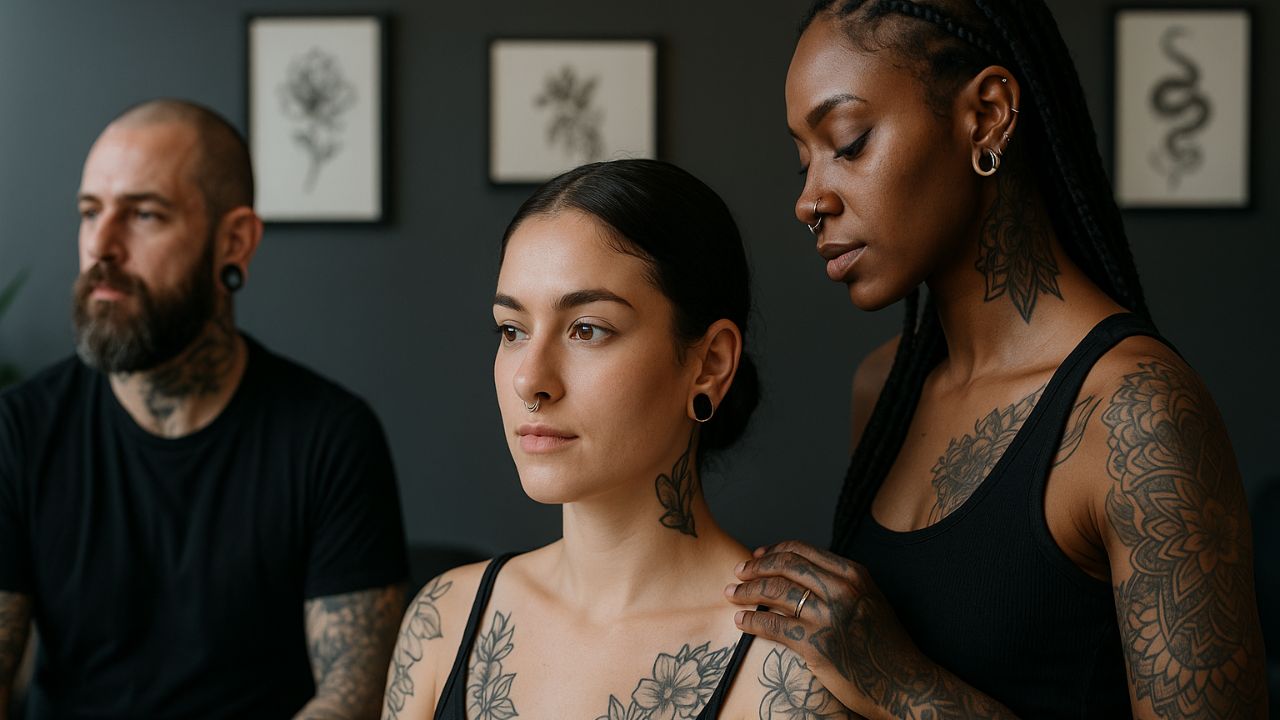
Art is no longer confined to canvas, sculpture, or gallery walls. In today’s culture, people carry their art with them, etched into skin and worn as part of daily life. Tattoos and piercings have become central to this movement, combining tradition, innovation, and personal storytelling. The synergy between them shows how the body itself has evolved into a powerful medium of expression, capable of reflecting identity and artistry at once.
The balance between tattoo and piercing
While tattoos communicate through line, color, and symbolism, piercings add dimension and structure. A well-executed piercing service does more than introduce jewelry into the skin — it frames existing features, enhances symmetry, and adds sculptural qualities that interact with tattoos. Together, the two create a multi-layered form of expression.
A tattoo sleeve might gain depth when paired with ear or nose piercings that echo its patterns. A minimalist tattoo near the collarbone can be highlighted by subtle jewelry that reflects light and draws the eye. In this way, tattoos and piercings do not compete; they harmonize, building a complete statement across the body.
From ancient ritual to modern expression
Body art is not a new invention. Cultures across the globe have marked their skin or adorned themselves with metal for centuries. From tribal rites of passage to sacred symbols of belonging, the roots of tattooing and piercing stretch deep into human history. What has changed is the way these traditions are interpreted in modern contexts.
Today, body art is an intersection of heritage and innovation. A tattoo may reference ancient symbolism, while piercings are styled with contemporary jewelry materials like titanium or gold. Together, they merge old and new, becoming a dialogue between tradition and personal narrative.
Craft and professionalism
One of the most significant changes in the body art movement is the professionalization of the craft. The artistry of tattooing and the precision of piercing now meet rigorous standards of hygiene, design, and care. This is especially true in high-quality studios, where both practices are treated as serious art forms that demand skill, respect, and vision.
A piercing service carried out in such an environment reflects not only technical mastery but also an understanding of anatomy and design. Placement is everything. The angle of a septum ring, the symmetry of a lip piercing, or the alignment of ear jewelry can elevate the impact of a tattoo, much like a frame elevates a painting. When combined thoughtfully, they create a unified expression that feels intentional and complete.
Collaboration between artist and wearer
Body art is a shared journey between the professional and the individual. Unlike mass-produced accessories, tattoos and piercings are chosen, planned, and placed in ways that are deeply personal. The wearer becomes both the collector and the gallery, carrying art that exists only on their skin.
This collaborative process has helped shape the reputation of studios like Icon Tattoo, where individuality is central to every decision. Clients are encouraged to think about how a tattoo might interact with jewelry, and artists provide guidance on how both can coexist as part of a larger artistic vision.
Piercing and tattoo as narrative tools
Every piece of body art carries meaning, whether symbolic or purely stylistic. Tattoos might tell stories through imagery — roses for love, compasses for guidance, abstract lines for resilience. Piercings, though more subtle, add punctuation to those stories. They highlight features, mark milestones, or signal style choices that align with the broader artistic narrative.
The combination of the two transforms the body into a living archive of experiences and intentions. Each new addition reshapes the gallery, expanding the collection with personal meaning. Studios that offer both services under one roof make it easier for individuals to think holistically about their self-expression.
The cultural shift toward acceptance
Once stigmatized, tattoos and piercings now occupy mainstream acceptance. Celebrities showcase intricate designs and jewelry, corporations have softened rules about visible body art, and fashion brands celebrate tattooed models on runways. What was once seen as defiance is now celebrated as artistry.
This cultural shift has elevated the status of professional studios. People no longer view them as fringe shops but as centers of creativity where artists and clients collaborate on meaningful expression. In this new light, Icon Tattoo stands as an example of how modern studios have embraced professionalism, artistry, and cultural significance to redefine what body art represents.
Beyond decoration: art that moves with life
What makes tattoos and piercings distinct from other art forms is that they live and move with the individual. A tattoo on the forearm flexes with the muscles, changing subtly in appearance with each motion. Piercings catch light differently depending on the angle of the body or the jewelry chosen. This constant interaction with life makes body art dynamic rather than static.
Every person becomes a curator of their own moving exhibition. Tattoos provide the imagery, while piercings add dimension, shine, and emphasis. Together, they create compositions that are alive, shifting with every gesture and every glance.
The future of body art
As techniques advance, the possibilities for tattoo and piercing integration continue to grow. Tattoos now use advanced inks and fine lines to create effects once impossible. Piercing jewelry incorporates innovative materials, from bio-safe alloys to intricate gemstone designs. When combined, they open doors for even more sophisticated collaborations between body art disciplines.
The future points toward a deeper embrace of individuality, where tattoos and piercings will not just decorate but define. They will continue to act as tools of empowerment, identity, and artistry, reminding us that art does not need to hang on walls — it can walk, breathe, and exist in motion.
Closing reflection
Tattoos and piercings, when considered together, create an expression that is more than style — it is statement. Through careful design and professional execution, they transform the body into a gallery without walls, a collection that is personal, visible, and enduring. With artistry guiding the process, a piercing service and tattoo artistry work hand in hand to celebrate individuality and to elevate the human body as one of the most compelling mediums of modern art.
You May Also Read: Tattoo Taboo: Cultural Differences in Tattoo Removal Practices
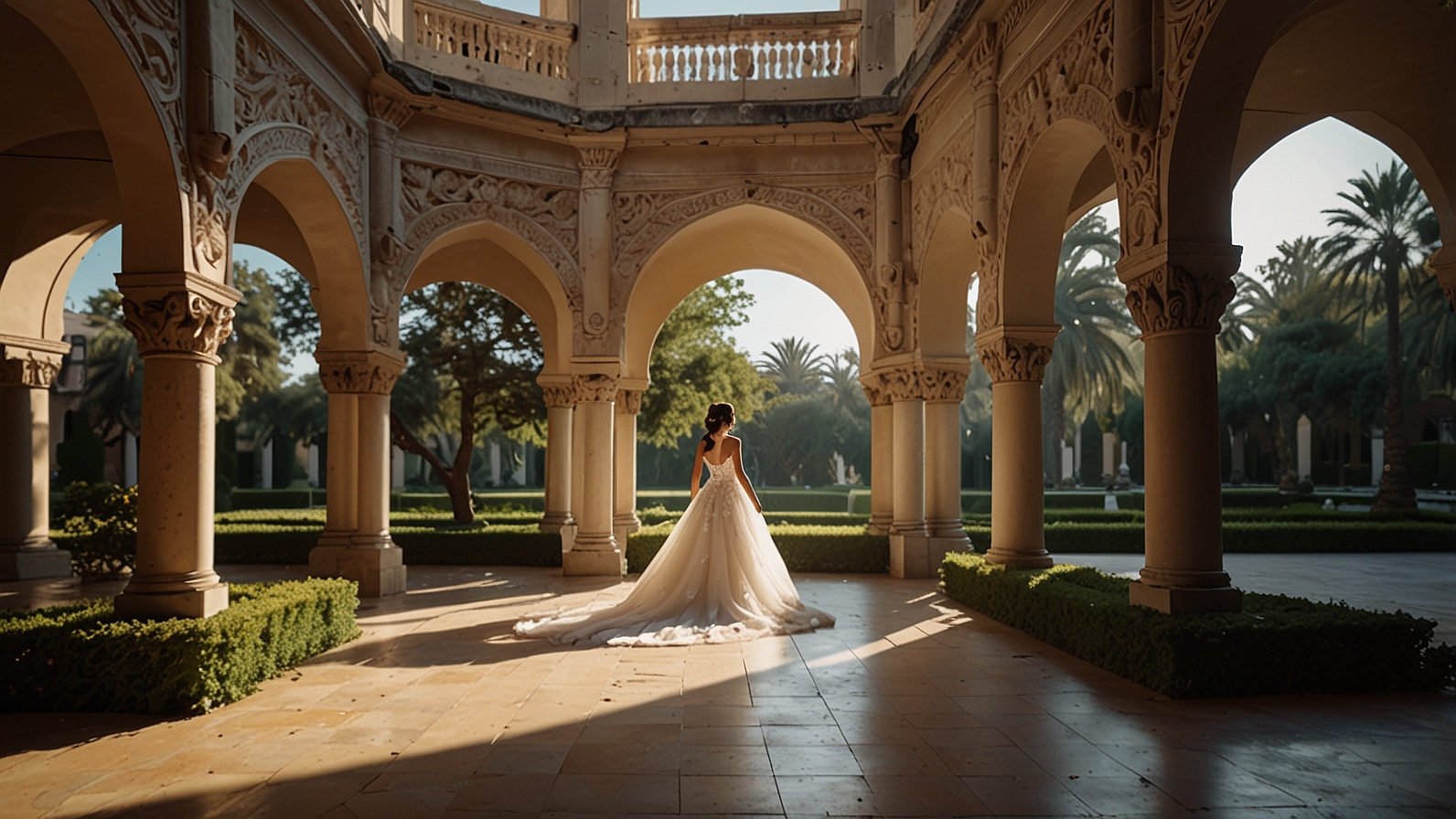
Picture your grand entrance. The music swells, all eyes turn to you, and for a moment, time stands still. Your lehenga is a masterpiece, its embroidery catching the light with every step. But something is missing. What is the final piece that transforms a beautiful bride into an undeniable queen? The answer lies in a single, powerful accessory: the diadem – bridal lehe. This isn’t just a hairpin; it’s the crowning glory of your entire ensemble, a modern heirloom that bridges the gap between royal tradition and contemporary elegance.
Gone are the days of overly heavy, traditional headpieces that leave you with a headache before the vows are even exchanged. Today’s bride seeks a blend of grandeur and grace, a look that feels both timeless and utterly now. The diadem – bridal lehe concept is precisely that—a carefully chosen headpiece designed to converse directly with the silhouette and story of your lehenga, giving you a finish that is nothing short of regal.
What Exactly is the Diadem – Bridal Lehe Concept?
Let’s break it down. Think of your entire bridal look as a symphony. Your lehenga is the powerful, sweeping melody. Your jewelry are the harmonious strings and woodwinds. The diadem? That’s the cymbal crash and the timpani roll—the accent that commands attention and ties the entire performance together.
The diadem – bridal lehe approach is a styling philosophy. It moves away from treating the headpiece as an afterthought. Instead, it positions the diadem as a central, intentional component of your bridal aesthetic. It’s chosen not in isolation, but in direct response to three key elements of your lehenga:
- The Silhouette: Is your lehenga a dramatic, voluminous skirt or a sleek, mermaid-cut? A larger silhouette can carry a more substantial, statement diadem, while a fitted cut might be balanced with a more delicate, cascading design.
- The Embroidery: The motifs, colors, and patterns on your lehenga are your guide. A diadem should pick up on these elements. For example, a lehenga with peacock motifs would be beautifully complemented by a diadem featuring feather-like patterns or emerald stones.
- The Overall Vibe: Is your look classic Mughal royalty, bohemian princess, or art-deco glam? Your diadem must speak the same design language to create a cohesive and powerful statement.
Choosing Your Crown: How to Select the Perfect Diadem
Selecting the right diadem can feel daunting, but it becomes simple when you have a roadmap. It’s about creating harmony, not competition, between your head and your hem.
Consider Your Lehenga’s Neckline and Blouse Design
This is perhaps the most crucial factor. The diadem and your necklace (or lack thereof) need to work in tandem.
- High-Neck Blouse: If your blouse has a high, ornate neckline, opt for a statement maang tikka or a smaller side diadem that doesn’t crowd the face. A full, traditional passa might be too much.
- Deep V or Sweetheart Neckline: These necklines offer more flexibility. You can beautifully pair them with a longer, more dramatic central diadem or a sweeping side piece that follows the line of the neckline.
- Off-Shoulder or Backless Blouse: With the focus on your décolletage and back, your diadem can be the star up top. A larger, more intricate piece will draw the eye upwards and create a stunning focal point.
Match the Metals and Stones
Your diadem shouldn’t clash; it should converse. This doesn’t mean it has to be an exact match, but it should live in the same family.
- Gold Lehenga: Pair with gold or polki kundan diadems. For a modern twist, rose gold can add a contemporary warmth.
- Silver or White Lehenga: Diamond, pearl, or crystal diadems in silver or white gold settings will look ethereal and cohesive.
- Colored Embroidery: This is where you can have fun. Use the diadem to pick out one of the accent colors from your lehenga’s embroidery. For instance, a red and gold lehenga could be elevated with a diadem featuring red tourmaline or rubies.
Diadem Selection Guide Based on Lehenga Style
| Your Lehenga Style | Recommended Diadem Style | Why It Works |
|---|---|---|
| Heavy, Traditional Zardozi | Polki or Kundan Passa | The vintage, royal feel of polki complements traditional craftsmanship perfectly. |
| Modern, Minimalist | Delicate Pearl & Crystal Headband | Adds a touch of elegance without overpowering a clean, sleek look. |
| Floral/Pastel | Nature-Inspired Tiara with Leaves & Flowers | Echoes the soft, romantic themes of the lehenga for a fairy-tale effect. |
| Peacock/Themed | Feathered or Teardrop-shaped Design | Directly ties into the theme, creating a powerful and intentional story. |
Styling Your Diadem for Maximum Impact
Finding the perfect piece is only half the battle. How you wear it is the other.
The Perfect Hairstyle is Your Foundation
Your hairstyle isn’t just a backdrop; it’s the pedestal for your crown.
- Classic Bun (Juda): The timeless choice. It provides a solid, elegant base for any diadem, especially heavier passas or center-pieces. It keeps the focus entirely on the accessory.
- Soft, Face-Framing Waves: For a more modern, romantic look, loose waves work beautifully with headband-style diadems or smaller, scattered hair accessories. It creates a softer, more effortless regality.
- Braided Updo: Intricate braids can incorporate smaller pieces or act as a beautiful textural element that complements a larger diadem without fighting it for attention.
Balance is Everything: The 360-Degree View
Remember, you will be photographed from every angle. While the diadem is a front-facing piece, consider how it integrates with your overall look.
- If you choose a very heavy, statement diadem, you might scale back on the earrings or necklace to avoid visual clutter.
- Conversely, a simpler diadem allows for more dramatic statement earrings (jhumkas or chandbalis) to shine.
Modern Twists on a Royal Tradition
The beauty of the diadem – bridal lehe concept is its adaptability. You are not confined to museum pieces. Contemporary designers are reinventing the diadem for the 21st-century bride.
The Celestial Headband
Think beyond the traditional maang tikka. Delicate, celestial-themed headbands with stars and moons are incredibly popular. They offer a wide, regal presence while feeling light, ethereal, and modern. They work exceptionally well with flowy, dreamy lehengas.
The Asymmetric Side Sweep
Not all diadems are symmetrical. A beautiful, cascading piece that sweeps across one side of the head is a dramatic and fashion-forward choice. It’s perfect for the bride who wants to make a bold, artistic statement and break from tradition.
The Pearl Cascade
Pearls are having a major moment. A diadem that incorporates strings of pearls, either flowing back into the hair or framing the face, offers a touch of vintage grace that feels fresh and elegant. It’s a softer alternative to hard stone-heavy pieces.
3 Actionable Tips to Nail Your Diadem Look Today
- Bring Pictures to Your Trial: Don’t just describe your lehenga to your hairstylist. Bring high-quality pictures of the front and back. Even better, if you can have a fabric swatch, bring that too. This helps them visualize the weight, color, and texture they need to work with.
- Do a Full Look Trial: Never settle for just a hair trial. Wear your actual blouse (or one with a similar neckline) and try on your jewelry alongside the diadem. See how it all works together under different lights. What looks good in soft room light might glare under flash photography.
- Comfort is Key: You will be wearing this for hours. Ensure the diadem is secure. It should have sturdy combs or clips. If it’s heavy, ask your stylist to distribute the weight with bobby pins anchored securely in your hairstyle. If it pinches, see if they can pad the clips. Your regal finish should not come at the cost of your comfort.
The diadem – bridal lehe is more than an accessory; it’s the final brushstroke on the masterpiece that is your bridal look. It’s the detail that whispers of queens and empires while letting your unique, modern spirit shine through. By choosing with intention and styling with care, you ensure that on your wedding day, you don’t just look beautiful—you look powerfully, unmistakably you.
What style of diadem are you leaning towards for your big day? Share your thoughts and questions in the comments below!
You May Also Read: Denim Diaries: A Deep Dive Into the Latest Blue Denim Trends
FAQs
Can I wear a diadem if I have a very heavy lehenga?
Absolutely! The key is balance. If your lehenga is extremely heavy and ornate, a substantial diadem (like a traditional passa or a wide kundan piece) can actually create a harmonious and balanced look, preventing the top half of your body from looking bare. Just ensure your hairstyle can support the weight comfortably.
Is a diadem only for traditional Indian weddings?
Not at all! While rooted in tradition, the modern diadem has evolved. Delicate headbands, pearl pieces, and minimalist designs are incredibly versatile and can beautifully complement fusion outfits, Western-style gowns, or a destination wedding look, adding a touch of regal elegance to any style.
How do I keep my diadem secure throughout the long wedding day?
A professional hairstylist is your best ally. They will use a combination of the diadem’s built-in combs, tightly anchored bobby pins criss-crossed over the base, and strong-hold hairspray. For very heavy pieces, they might even create a reinforced braid or bun specifically designed to act as an anchor.
What’s the difference between a diadem, a passa, and a maang tikka?
This is a common question! A maang tikka is a single pendant that rests on the forehead’s center and attaches to the hair. A passa is a larger, often asymmetrical piece that sweeps across one side of the forehead and hairline. A diadem is a broader term that can encompass both, but often refers to a more centralized, tiara-like piece that sits across the crown of the head.
Can I wear glasses and a diadem together?
Yes, you can! The trick is to choose a diadem that doesn’t compete with the frame of your glasses. Opt for a simpler, smaller design like a delicate headband or a minimal center piece. Avoid large, sweeping pieces that will physically clash with the arms of your glasses.
How far in advance should I choose my diadem?
It’s best to finalize your diadem after you have selected your lehenga and your primary jewelry set. This ensures everything works together cohesively. Aim to have it chosen before your hair trial so you can practice the complete look.
Are there any affordable alternatives to real jeweled diadems?
Yes! Many fantastic brands offer high-quality fashion jewelry diadems made with semi-precious stones, cubic zirconia, and detailed craftsmanship that looks incredibly authentic in photographs. This is a great option for staying within budget without compromising on style.
-

 Education2 years ago
Mastering Excel: Your Comprehensive Guide To Spreadsheets And Data Analysis
-

 Tech2 years ago
How To Choose The Best Forex Trading Broker?
-

 Business2 years ago
Exploring the Rental Market: Properties for Rent in Malta
-

 Blog2 years ago
Arab MMA Fighters Shine Bright: Meet the Champions of PFL MENA
-

 Tech2 years ago
The Role Of Experts VS Top Mobile Apps for Green Screen Removal
-

 Travel2 years ago
Experience the Best Desert Safari Dubai Offers!
-
 Home Improvement2 years ago
Eco-Friendly Round Rug Options for Sustainable Living in NZ
-

 How-To Guides2 years ago
Comprehensive Guide to Cockwarming: Enhancing Intimacy and Connection