
How-To Guides
Your Guide to the South African NPCs Register Process | Step-by-Step

Did you know that over 200,000 non-profit organisations are registered in South Africa? Yet, for every successful application, another gets tripped up by the complexities of the NPCs register process. If you’re passionate about making a difference but unsure where to start with the legalities, you’re in the right place.
Starting a Non-Profit Company (NPC) is one of the most rewarding ventures you can undertake. However, the administrative journey to get officially registered can feel like a maze. This guide will demystify the South African non-profit company registration process, breaking it down into simple, actionable steps. We’ll walk you through everything, from choosing a name to finally receiving your registration certificate.
Understanding the Non-Profit Company (NPC)
First things first, let’s be clear on what an NPC is. Since 2011, the Companies Act has replaced the old “association not for gain” with a more modern structure: the Non-Profit Company. It’s a legal entity designed specifically for public benefit purposes, and its income and property aren’t distributed to its members or directors except as reasonable compensation for services rendered.
An NPC is a great choice because it offers limited liability protection for its directors and members and has a recognisable, trustworthy structure for donors and partners. The entire process is managed by the Companies and Intellectual Property Commission (CIPC).
Step-by-Step Guide to Registering Your NPC
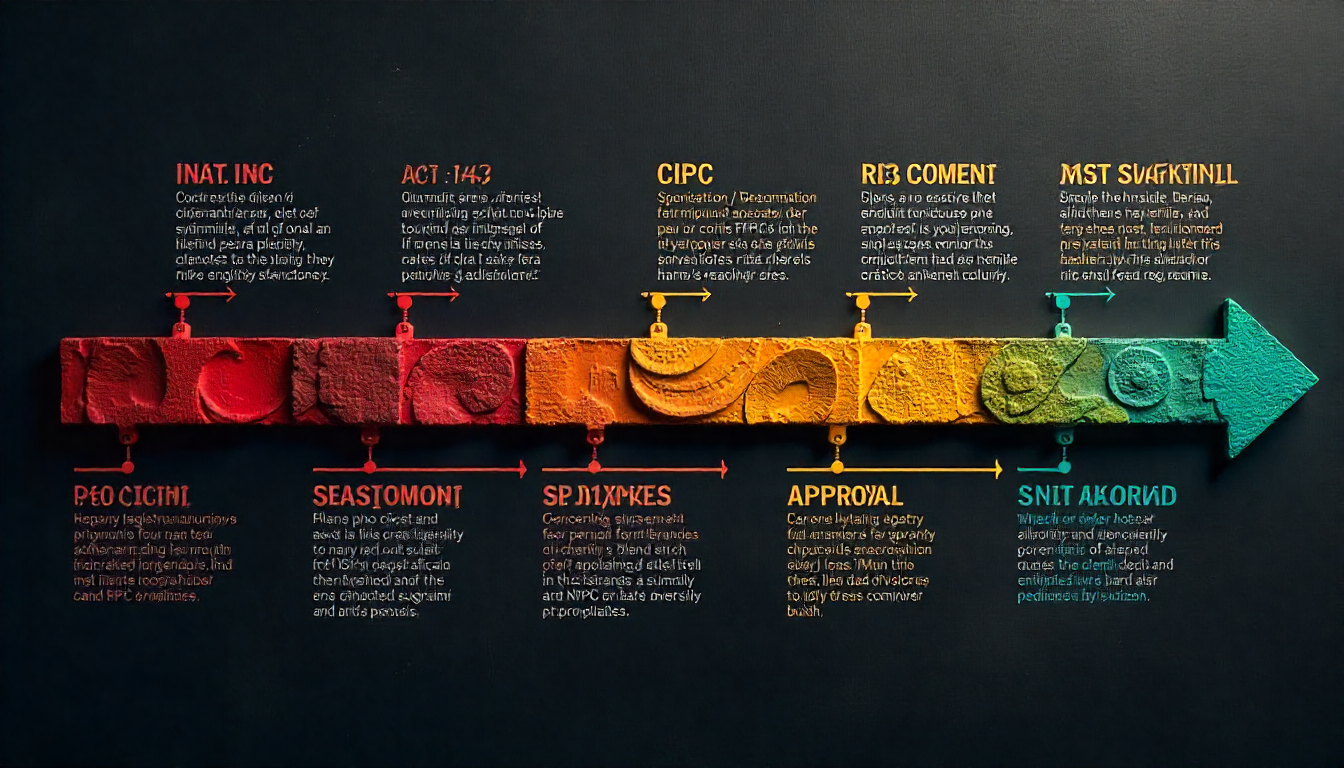
Ready to make your vision a legal reality? Follow these steps. The chart below outlines the key phases of the journey from idea to operational status.
Phase 1: Preparation is Key (Before You Click “Submit”)
- Define Your Purpose: You can’t just want to do good; you need a clear objective. Your purpose must be outlined in your company’s Memorandum of Incorporation (MOI) and must fall under specific charitable, humanitarian, or social benefit categories.
- Choose a Unique Name: Your NPC’s name must be unique and not already in use or too similar to an existing company or trademark. You can propose up to four name options on the CIPC website. It’s wise to have a few backups! The name must end with “NPC”.
- Assemble Your Founding Team: You need at least three incorporators (founders) and will need to appoint at least three directors for your board. These cannot be automated tools or other companies; they must be natural persons.
Phase 2: The Documentation Dive
This is the most crucial part. You need to prepare two primary documents:
- Memorandum of Incorporation (MOI): This is your company’s main constitutional document. It outlines the rules of the company, its purpose, how it will be run, and what powers the directors have. The CIPC provides standard MOI templates for NPCs, which is the easiest route for most new organisations.
- Notice of Incorporation (CoR 14.1): This is the official application form where you provide all the specific details:
- Proposed company name.
- Description of the main business (purpose).
- Details of directors and their consent to serve.
- Details of the incorporators.
- Registered physical address.
Phase 3: Submission and Payment
All registration is done online via the CIPC eServices portal. You will need to create a customer account, reserve your name, and then complete the incorporation application. As of now, the total cost for name reservation and NPC incorporation is R175. Payment is made securely through the portal.
Phase 4: After Submission – What to Expect
Once submitted, CIPC will review your application. If everything is in order, you will receive your registration documents electronically. This can take a few days to a few weeks. If there are issues (e.g., with your name or MOI), they will request corrections or additional information.
Common Mistakes to Avoid During NPC Registration
Many well-intentioned applications get delayed or rejected for simple, avoidable errors. Steer clear of these pitfalls:
- Vague Objectives: Stating a purpose like “to help people” is too broad. Be specific. “To provide after-school STEM tutoring to learners in grades 8-10 in Alexandra Township” is clear and measurable.
- Ignoring Name Availability: Proposing a name without first checking if it’s available is a surefire way to get rejected. Use the CIPC’s name search tool beforehand.
- Incorrect MOI Provisions: Using an old MOI template or trying to customize it without legal advice can lead to non-compliance. Stick to the CIPC’s approved NPC templates unless you have expert help.
- Forgetting the Tax Exemption Step: Registering with CIPC does not automatically grant you tax-exempt status. This is a separate application to the South African Revenue Service (SARS) in the form of a Section 18A application. You must first have your CIPC registration number to apply.
Your Journey Doesn’t End With Registration
Congratulations, you’re registered! But now the real work begins. Your newly minted NPC must comply with ongoing requirements to stay in good standing. This includes:
- Appointing an Accounting Officer: Unlike for-profit companies, NPCs are not required to have a full audit unless dictated by their MOI or if public funding exceeds a certain threshold. Instead, they must appoint a qualified accounting officer to perform an independent review.
- Annual Returns: You must file annual returns with CIPC every year. This is not a tax return but a confirmation that your company’s details (like director info and address) are up to date.
- Maintaining Records: Keep accurate minutes of meetings, financial records, and a register of directors.
Next Steps for Your New NPC
Starting an NPC is a powerful commitment to positive change. By understanding the NPCs register process, you lay a strong, compliant foundation for your mission.
Your 3 Key Takeaways:
- Preparation is everything. Nail your purpose, name, and team before you start.
- The MOI is your bible. Use the CIPC’s standard template to ensure you meet all legal requirements.
- CIPC is step one. Remember to then apply for tax exemption with SARS to unlock donor benefits.
What’s the first step you’ll take to turn your vision for change into a registered reality?
You May Also Read: How to Keep Your Kid Engaged Without Relying on Screens
FAQs
How long does the entire NPC registration process take?
If your documents are perfectly in order, CIPC can issue your registration documents within a few business days. However, with name reservations and potential corrections, budgeting 2-4 weeks is a safe bet.
What is the difference between an NPO and an NPC?
An NPO (Non-Profit Organisation) is registered under the separate NPO Act through the Department of Social Development. An NPC is registered under the Companies Act through CIPC. The NPC is a corporate entity with limited liability, while the term “NPO” is a broader category. Many organisations register as an NPC with CIPC and then also register as an NPO for additional credibility.
Can a foreigner be a director of a South African NPC?
Yes, a foreign national can be a director. However, they must have a valid passport and the company must have at least one director who is a South African resident with a valid ID number.
Do I need a lawyer to register an NPC?
It is not a legal requirement. The CIPC platform is designed for self-service. However, if your structure is complex or you want to heavily customize your MOI, consulting a lawyer or a specialist consultancy is highly recommended.
What happens if my chosen name is rejected?
The CIPC system will inform you and allow you to submit one of your alternative name choices from your initial application. If all are rejected, you will need to start the name reservation process again with new options.
Can an NPC make a profit?
Yes, an NPC can generate a surplus (profit). The key distinction is that this surplus cannot be distributed to members or directors. It must be retained and used solely to further the NPC’s stated non-profit objectives.
Is there a yearly fee to maintain an NPC?
The main cost is filing your annual return, which has a associated fee (currently R100 for NPCs). Failure to file this return can result in the company being deactivated.


The choice of the swimsuit will have a direct bearing on the ability of the woman to exude confidence in settings like the beach or pool. The selection of the swimsuit that complements and enhances the feminine curves of women is now inevitable. Today’s consumer desires swimwear that incorporates style along with structure and comfort.
When the proportions are taken into consideration while selecting the proper cuts and designing swimwear with particular elements in mind, swimwear becomes much more attractive and flattering to wear.
Where Body Shape Meets Smart Design
Natural shaping starts with understanding the relationship between various silhouette designs and the body type. Rather than imposing fads for all body shapes, swimwear is designed based on proportions and balance.
Examples of swimwear styles include modest swimwear in Canada, which shows how the right fit and flattering cover can help achieve a natural shape without going for skimpy designs.
Clean design allows the body to be showcased effectively through swimwear that flatters the body.
1. Identify Your Body Shape First
Body Type Knowledge When Choosing a Swimwear Suit. Body shapes include pear shape, apple shape, hourglass shape, athletic shape, and rectangular shape.
Based on one’s body shape, there are certain benefits to choosing specific swimsuits. For instance, detailed or patterned tops suit pear-shaped bodies well, while apple-shaped individuals may look good in suits that have ruching at the middle part of their bodies.
2. Use Strategic Design Elements
The small design details have great importance in determining the look. The ruching, paneling, and color blocking can help give definition to the body.
The ruching will help define the midriff area. The high heels can make the legs appear longer. The tops can help in balancing the top half of the body. Darker colors will make one look slimmer whereas brighter colors will bring out the particular areas.
3. Focus on Proper Fit and Support
Even the most perfect swimsuit will fail to work without proper fitting. This is because all fabrics tend to expand when exposed to water. Features such as straps that can be adjusted and bras sewn inside the suit will ensure that the swimsuit maintains its form. When the swimsuit is properly fitted, it enhances the natural body shapes while at the same time making the wearer feel comfortable.
4. Balance Proportions Through Styling
The aim of accentuating the body’s form should not focus on altering the body itself but on creating harmony visually. Proportions may be balanced using the right style choices. Full hips may be balanced using elaborate tops while wider shoulders may be balanced by plain upper styles.
High-rise bottoms can highlight your waist and improve structure. Well-proportioned clothing will give you balance.
5. Choose Fabrics That Support Shape
Fabric determines the quality of your swimwear. The fabric should be stretchable to bend with your movements but maintain its shape.
Four-way stretch materials offer flexibility without loss of shape. Compression materials offer support to help enhance natural body shapes.
Options such as modest swimsuits in Canada highlight how modern materials combine flexibility with structure to enhance both comfort and appearance. When fabric works with the design, the result is a swimsuit that maintains its form over time.
6. Highlight Features You Feel Confident About
The design of the swimsuit must consider both practicality and aesthetics. By considering one’s favorite aspects, one will achieve greater self-confidence and overall beauty.
A waist-hugging cut would work for those interested in highlighting their waists. For those whose favorite body part is their bust, adding padding or texture may work.
By selecting the right leg line, one may be able to look taller. Focusing on strong points will increase self-confidence.
7. Avoid Excess Fabric or Poor Tailoring
Excess fabric becomes problematic because it is difficult to integrate into a garment that looks good. Contemporary swimsuits have learned how to minimize bulky appearances through careful cutting and tailoring.
Good tailoring allows clean seams, even proportionality, and ease of movement. The result is a garment with a clean, sleek appearance. Bad tailoring ruins proportionality and makes a garment less comfortable.
8. Test Movement Before Final Choice
The swimsuit must work properly when you move as opposed to remaining static. Walking, stretching, and even swimming will test whether or not the swimsuit holds its form.
The straps should not fall out of place, while fabric movement should be limited. You will need consistency with your coverage without any need for readjustment.
Where Shape and Confidence Align
Selecting swimwear that flatters your figure depends on good fit and proportions. If combined properly, the resulting swimwear will be a lot more than an eye-catching garment.
Some labels concentrate on trends, for example, Seafolly; other brands prefer functionality, for instance, Speedo. This way, they meet particular demands; however, some issues may remain unresolved when it comes to proportions and stylish appearance.
LYRA Modest is one of those brands where good fit and modern styling go hand in hand. As a result, LYRA swimsuits can perfectly flatter one’s body shape without sacrificing comfort.

Telegram has become one of the most popular messaging apps for people who want fast communication, strong privacy, and easy file sharing. Many users in China and Chinese-speaking communities search for ways to install and use Telegram smoothly on their devices. Whether you use Android, iPhone, Windows, or Mac, learning the correct setup process can save time and avoid common problems.
Many users search for telegram下载 because they want a secure messaging app that supports voice calls, group chats, file sharing, and private communication. In this guide, you will learn how to install Telegram on Chinese devices, adjust language settings, and use its main features without confusion.
Why Telegram Is Popular Among Chinese Users
Telegram is known for its speed and clean interface. Unlike many messaging apps, it allows users to send large files, create channels, and join communities with thousands of members. It also works across multiple devices at the same time.
Another reason people prefer telegram中文 versions is the availability of language support and simple navigation. Chinese-speaking users can change the app language and customize settings according to their needs. The app is also lightweight, making it suitable for older smartphones and tablets.
How to Download Telegram on Android Devices
Downloading Telegram on Android is simple if you follow the right steps. First, open your browser or app marketplace and search for the latest Telegram APK or official app version.
Here are the basic steps:
Step 1: Find a Trusted Source
Always download Telegram from a trusted website or official app store. This helps avoid fake apps or security risks. Many users search for telegram下载 to find safe installation files for Android devices.
Step 2: Enable Unknown Sources
If you install an APK file manually, go to your phone settings and allow installation from unknown sources. This option is usually found in the security section.
Step 3: Install and Open the App
After downloading the file, tap install and wait a few seconds. Once installed, open Telegram and register using your phone number.
How to Use Telegram on iPhone and iPad
iPhone users can install Telegram directly from the App Store. Search for Telegram Messenger and download the latest version.
After installation, open the app and follow these steps:
- Enter your mobile number
- Verify your account with the SMS code
- Set your profile name and picture
- Start chatting with contacts or groups
Many Apple users prefer telegram中文 settings because the translated interface makes navigation easier for beginners.
Setting Telegram to Chinese Language
Some devices install Telegram in English by default. Luckily, changing the language is very easy.
Change Language Settings
- Open Telegram settings
- Tap “Language”
- Select Chinese or Simplified Chinese
- Restart the app if needed
After completing these steps, your app will display menus and options in Chinese. This improves usability for users who are more comfortable reading Chinese text.
Best Features of Telegram
Telegram offers many useful features that make it different from regular messaging apps.
Fast File Sharing
Users can send videos, documents, music files, and photos without heavy compression. This feature is useful for students, office workers, and content creators.
Large Group Support
Telegram groups can support thousands of members. Communities use these groups for discussions, updates, and online learning.
Privacy and Security
Telegram provides encrypted chats and privacy controls. Users can hide phone numbers, block unknown contacts, and use two-step verification for better account protection.
Because of these features, searches for telegram下载 continue to grow among users looking for secure communication tools.
Tips for Better Telegram Experience
Using Telegram becomes easier when you know a few important tips.
Keep the App Updated
Always install the latest version to improve performance and security. Updates often fix bugs and add new features.
Use Cloud Storage Features
Telegram stores messages and media in the cloud. This means you can access your files from multiple devices without losing data.
Organize Chats
Create folders for work, family, and personal chats. This makes the app cleaner and easier to manage.
Protect Your Account
Enable two-factor authentication and use a strong password. This helps keep your conversations secure.
Common Problems and Solutions
Some users may face installation or login issues on Chinese devices.
App Not Installing
Check your storage space and internet connection. Also, make sure the APK file is fully downloaded.
Verification Code Not Received
Wait a few minutes and try again. Sometimes network delays can slow SMS delivery.
Language Not Changing
Restart the app after selecting Chinese language settings. In most cases, this solves the problem immediately.
Users searching for telegram中文 guides often face these small setup issues during installation.
Conclusion
Telegram is a powerful messaging platform for users who want speed, privacy, and easy communication across devices. Installing the app on Chinese Android phones, iPhones, or desktop computers is simple when you follow the correct steps.
Whether you search for telegram下载 to install the app or want to use telegram中文 settings for a better experience, Telegram offers flexible features that work well for personal and professional communication. By keeping the app updated and using its security features properly, users can enjoy safe and smooth messaging every day.

Why Underground Fuel Tanks Eventually Need Removal
Across industrial and commercial properties, underground fuel tanks have served as reliable storage systems for decades. But as tanks age, they begin to corrode, weaken, and pose environmental risks that can no longer be ignored. That is why gas tank removal underground becomes an essential part of responsible facility management. These tanks operate out of sight, but their condition directly impacts safety, compliance, and long-term operational stability.
Underground tanks deteriorate in ways that are difficult to detect without professional inspection. Soil moisture, shifting ground, and constant exposure to fuel can create structural weaknesses that compromise the tank’s integrity. Even a small leak underground can spread contaminants far beyond the property line. Removing old tanks before these failures occur protects both the business and the environment.
How Underground Tanks Begin to Deteriorate
Unlike above-ground systems, underground tanks face constant pressure from surrounding soil. Moisture sits against the tank walls for years, gradually breaking down protective coatings. Fuel often contains additives and sediments that accelerate internal corrosion. Temperature changes expand and contract the steel, weakening welds and seams. Over time, these factors contribute to the need for gas tank removal underground before the tank reaches a critical point.
Many tanks installed 20 to 40 years ago were not designed to meet today’s environmental standards. Their materials and coatings eventually reach the end of their lifespan, making removal the safest and most responsible option.
Why Professional Removal Is Non-Negotiable
Removing an underground fuel tank is a highly regulated process. It requires specialized equipment, environmental expertise, and strict safety procedures. Even empty tanks can contain vapors that pose fire or explosion risks. Professionals manage this work using controlled methods that prevent accidents and protect the surrounding property.
A professional team begins by locating the tank precisely, exposing it through careful excavation, and removing any remaining product or vapors. Once the tank is safe to handle, it is lifted from the ground and prepared for disposal. Every step must be executed with precision to ensure compliance with environmental and safety regulations.
How the Removal Process Is Carried Out Safely
The process of gas tank removal underground follows a sequence designed to control risk and maintain stability. The area above the tank is excavated gradually to avoid damaging nearby utilities or structures. Once the tank is uncovered, specialists clean the interior to eliminate residual fuel and vapors. Only after this cleaning is complete can the tank be safely cut, lifted, or transported.
The team also inspects the surrounding soil for any signs of contamination. If contamination is discovered, additional cleanup steps must be taken to restore the site. These environmental safeguards ensure the property remains safe for future use and meets all regulatory expectations.
Why Environmental Testing Is a Central Part of Removal
Soil and groundwater testing confirm whether the tank leaked during its lifetime. This testing is not optional; it is required by environmental agencies to protect surrounding land and water sources. The results determine whether remediation is needed before the site can be cleared.
Testing provides critical information, such as the presence of petroleum residues, the depth of contamination, and whether nearby structures or land features may be affected. This data becomes part of the documented record that proves gas tank removal underground was completed responsibly and in accordance with regulations.
How Removal Supports Regulatory Compliance
Industries that use underground fuel tanks must comply with strict standards set by environmental authorities. Failing to remove a failing or outdated tank can result in fines, operational restrictions, or long-term liability. Removal demonstrates that the facility is taking preventive action to protect the environment and maintain safe operations.
Compliance is not just about avoiding penalties. It’s about safeguarding the long-term viability of the property. A well-executed removal shows regulators, auditors, and stakeholders that the business manages environmental responsibilities with care.
The Challenges of Working Beneath the Surface
Underground tank removal demands expertise because the work occurs in a concealed and unpredictable environment. Soil types vary widely, and conditions underground can change quickly during excavation. Tanks may be located near building foundations, active utilities, or paved surfaces that limit access. Professionals plan each removal carefully to avoid damaging surrounding structures.
Weather also plays a role. Heavy rain, heat, or freezing temperatures influence soil stability and require adjustments on the job. Despite these challenges, skilled removal teams complete the process with minimal disruption to facility operations.
Why Early Removal Protects Property Value
Allowing an old underground tank to remain in place can create risks that undermine the property’s long-term value. Even inactive or empty tanks can contain residue that contaminates soil over time. Many buyers, insurers, and lenders require proof that outdated tanks have been removed properly before approving transactions or underwriting coverage.
Early gas tank removal underground prevents these complications. It creates a clear record of responsible environmental management and allows the property to be used, sold, or redeveloped without concerns about hidden risks beneath the surface.
The Long-Term Benefits of Safe Tank Removal
Removing underground tanks strengthens the facility’s environmental profile, reduces long-term liability, and ensures the site meets modern regulatory expectations. It also opens the door for updated storage systems that provide easier maintenance, better monitoring, and improved safety features.
When a tank is removed responsibly, facilities gain confidence in the integrity of their property and reduce the risks associated with aging underground structures. Through proactive planning and expert execution, gas tank removal underground becomes a smart investment in the safety and future of the entire operation.
-

 Education2 years ago
Mastering Excel: Your Comprehensive Guide To Spreadsheets And Data Analysis
-

 Tech2 years ago
How To Choose The Best Forex Trading Broker?
-

 Business2 years ago
Exploring the Rental Market: Properties for Rent in Malta
-

 Blog2 years ago
Arab MMA Fighters Shine Bright: Meet the Champions of PFL MENA
-

 Tech2 years ago
The Role Of Experts VS Top Mobile Apps for Green Screen Removal
-

 Travel2 years ago
Experience the Best Desert Safari Dubai Offers!
-

 Home Improvement2 years ago
Eco-Friendly Round Rug Options for Sustainable Living in NZ
-

 How-To Guides2 years ago
Comprehensive Guide to Cockwarming: Enhancing Intimacy and Connection