
Tech
Chemical Batch Reactor: A Comprehensive Review

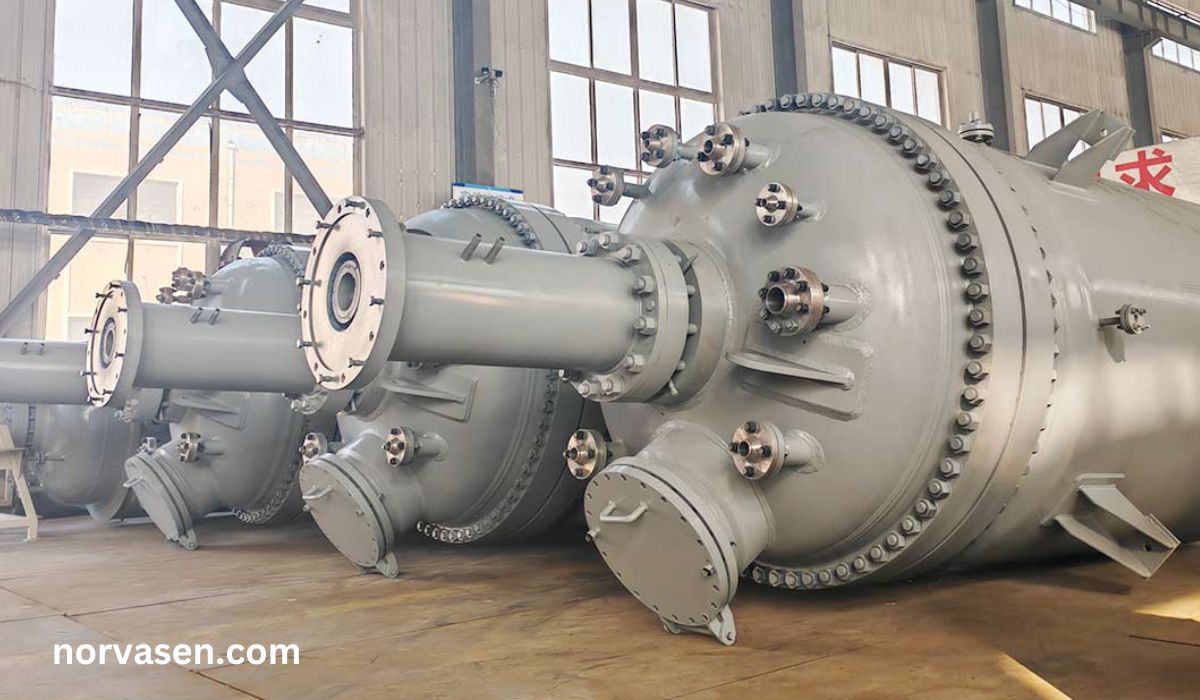
Chemical batch reactors are essential equipment in the manufacturing processes of various industries, such as industry of pharmaceuticals, specialty chemicals, dyes, biotechnology, and so on. These versatile systems allow for precise control over reaction conditions, making them indispensable for producing high-value products. Some of them are able to operate under high pressure and temperature conditions, called as high pressure reactors, or an autoclave, further expands their utility in handling complex chemical transformations.
This comprehensive review delves into the intricacies of chemical batch reactors, exploring their design considerations and safety aspects. It examines the environmental impact of these systems and discusses emerging trends shaping their future. By analyzing current practices and innovative approaches, this article aims to provide valuable insights for researchers, engineers, and industry professionals working with batch reactor technology.
Design Considerations for Batch Reactors
Chemical Batch Reactor: A Comprehensive Review
In a sense, the chemical batch reactors are traditional equipment. However, as long as the technology’s developing it become more and more popular by offering unparalleled control and flexibility in chemical manufacturing. These versatile systems, which include specialized equipment like autoclaves, have an influence on various sectors, from pharmaceuticals to materials science. Their ability to handle complex reactions under precise conditions has made them indispensable in modern chemical engineering, enabling the production of a wide range of compounds with high purity and efficiency.
This comprehensive review aims to explore the key aspects of chemical batch reactors, shedding light on their design considerations and safety protocols. It will delve into the environmental implications of batch processing and examine emerging trends shaping the future of this technology. By analyzing these critical components, this article seeks to provide valuable insights for professionals and researchers working with high-pressure systems, helping to advance understanding and innovation in this crucial field.
Design Considerations for Batch Reactors

Material Selection and Corrosion Resistance
The selection of appropriate materials for chemical batch reactors is crucial to ensure optimal performance and longevity. Engineers must consider factors such as corrosion resistance, strength, and safety when choosing materials . Common options include metals, glass, ceramics, polymers, and composites, each with unique properties suited to different applications .
The steel remain the most prevalent choice for chemical engineering equipment due to their ease of manufacture, high strength, and resistance to fracture .
Nowadays, more and more alloys with highly corrosive media, specialized materials such as Hastelloy C-276, Inconel 600, titanium, tantalum, and Monel 400 are used.
They offers a combination of structural strength and corrosion resistance, making it suitable for high-pressure and full vacuum applications at elevated temperatures .
Heating and Cooling Systems
Effective temperature control is essential in batch reactors. The design of heating and cooling systems significantly impacts the reactor’s performance and efficiency. All kinds of thermal medium and refrigerant are used at different temperature ranges.
For optimal heat transfer, it is recommended to count out the heat exchange area, which is decided by many factors, including the volume, reactant medium’s thermo property, temperature changing value, thermal medium and refrigerant’s temperature, flow speed, etc..
Agitation and Mixing Mechanisms
Proper agitation and mixing are critical to ensuring uniform temperature distribution and optimal reaction conditions within the reactor. Agitation techniques involve forcing chemical fluids inside the circular vessel using mechanical methods . The mixing process refers to the random distribution of two or more different phases of fluids .
Agitators or agitation tanks are designed to provide good mixing of different fluids while maintaining constant temperature inside the tanks . Various agitator designs are available, including light and heavy agitation tanks, depending on their specific applications .
For slurry applications in chemical and mineral industries, small-sized agitators or commercial propellers with axial flows are commonly used . These are particularly structured for gas diffusion performances and reagent conditioning processes .
By carefully considering these design aspects, engineers can create chemical batch reactors that offer optimal performance, safety, and efficiency for a wide range of industrial applications.
Safety and Environmental Aspects
Pressure Relief Systems
Pressure relief systems are crucial safety measures in chemical and petrochemical facilities. These systems protect process vessels against various relief cases, including fire and runaway chemical reactions . Proper sizing of venting systems is essential for their effective function. The Health and Safety Laboratory (HSL) provides technical support to Health and Safety Executive (HSE) inspectors, offering insights into current industry practices and challenges in pressure relief vent sizing .
Runaway reactions occur when heat generation exceeds heat removal rates. Identifying the potential for such reactions and conducting initial hazard assessments are critical first steps . Two-phase flow often occurs in reactor venting, necessitating larger vent sizes to accommodate both liquid and vapor/gas flow .
Containment and Spill Prevention
Effective spill response procedures are essential for laboratory safety. Every laboratory should develop written protocols detailing initial steps, staff responsibilities, communication methods, and instructions for using spill response equipment . Before working with chemicals, it is crucial to verify the availability and proper functioning of all necessary safety equipment and spill cleanup materials .
Emissions Control and Waste Management
Emissions control and waste management are critical aspects of chemical batch reactor operations. One approach to evaluating emissions involves developing emission factors based on major solvents used in the process. This method considers various processing steps, such as unloading from trucks, loading into reactors, distillation, and drumming .
For effective waste management, it is crucial to keep cleanup materials separate from normal trash. Proper packaging and labeling of cleanup residues should be done in consultation with environmental health and safety officers . Ventilation of the spill area may be necessary, and in some cases, air testing can ensure the absence of hazardous vapors .
Emerging Trends and Future Outlook
Automation and Industry 4.0 Integration
The chemical industry is witnessing a shift towards software-centric automation, addressing challenges such as complex processes, continuous market demand for new chemicals, and aging proprietary systems. This transition to universal automation supports modular plug-and-produce deployments, enhancing interoperability and breaking free from locked-in models . The integration of advanced process analytical technologies with control software has created feedback loops, enabling adaptive and flexible multistep screening and holistic self-optimization .
Modular and Flexible Reactor Designs
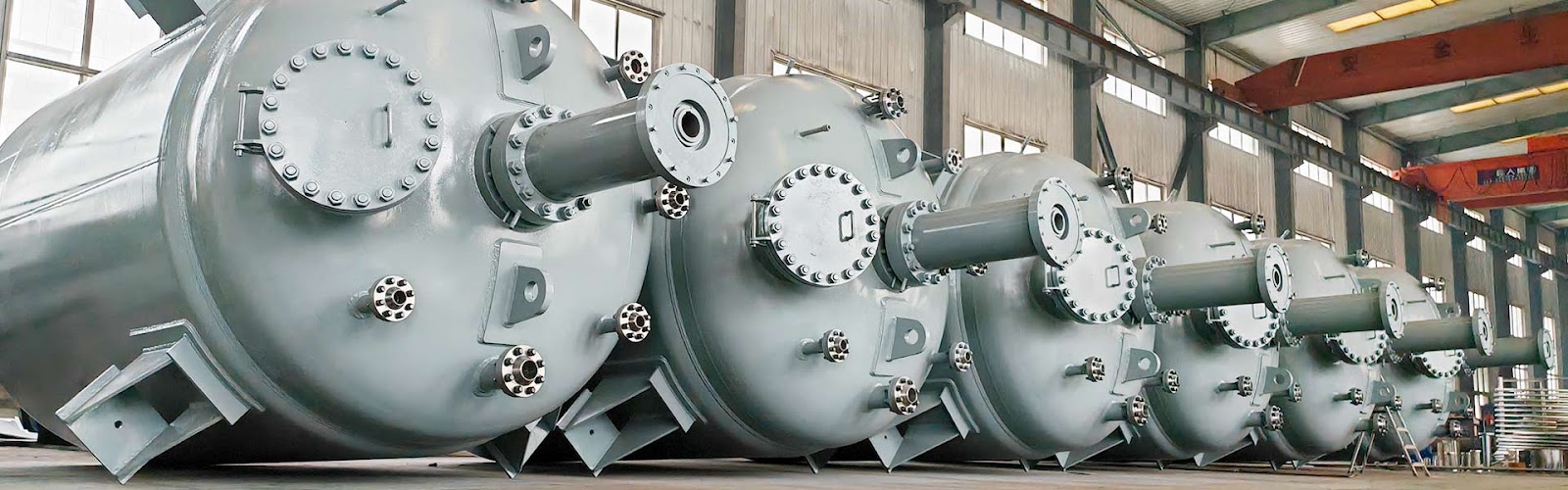
There has been a growing interest in small and medium reactors, driven by the desire to small batch requirement of particular chemicals in remote locations . These smaller units, including very small modular reactors (vSMRs), offer advantages such as simplified design, series production in factories, shorter construction times, and reduced siting costs . Users have potential applications in various areas like mining, oil and gas, additives, new material, new energy, etc.
Sustainable and Green Chemistry Applications
The chemical industry is moving towards more sustainable practices. Future-proofing automation systems involves implementing flexible, autonomous, and portable solutions that are modular, interoperable, and software-centric . These advancements aim to increase supply chain resiliency and profitability while promoting sustainability. The development of reactor automation is revolutionizing chemical process discovery and development, allowing researchers to focus on critical interpretation and creative problem-solving .
Conclusion
Chemical batch reactors have proven to be game-changers in various industries, offering precise control and adaptability in chemical manufacturing processes. Their ability to handle complex reactions under specific conditions has made them essential in modern chemical engineering, enabling the production of a wide range of compounds with high purity and efficiency. The design considerations, safety protocols, and environmental aspects discussed in this article highlight the multifaceted nature of these systems and their critical role in advancing chemical processes.
Looking ahead, the future of chemical batch reactors seems bright, with emerging trends like automation, modular designs, and sustainable practices shaping the industry. These advancements aim to boost efficiency, flexibility, and environmental responsibility in chemical processing. As the field continues to evolve, it’s clear that chemical batch reactors will remain at the forefront of innovation, driving progress in pharmaceuticals, materials science, and beyond.


Most leaders I talk to still underestimate just how fast the data flood is rising. By the end of 2025 the world had already generated 181 zettabytes of information, and forecasts point toward 221 zettabytes in 2026 alone. That is not some abstract number. It is the equivalent of every person on Earth streaming high-definition video nonstop for months. Yet here is the kicker: most companies are still processing that deluge the same way they did five years ago, in slow overnight batches that leave decision-makers waiting and AI models starving for fresh fuel.
This is precisely where Data Engineering & Strategy steps in and changes the game. It is not just about moving bits from point A to point B anymore. It is about designing autonomous, real-time pipelines and cloud-native architectures that transform raw data into a genuine competitive edge. When done right, these systems do not merely support AI. They become the foundation that lets AI deliver measurable return on investment, day after day.
In the sections ahead we will walk through why this matters now more than ever, what the core building blocks look like, and how you can actually put these ideas to work without the usual headaches. Along the way I will share a few hard-earned lessons from projects I have led and one quick comparison table that tends to spark “aha” moments for teams. Let us dive in.
Table of Contents
- The Growing Importance of Data Engineering & Strategy in Today’s AI Landscape
- Core Elements of Effective Data Engineering & Strategy
- Designing Scalable and Autonomous Data Pipelines
- Real-Time Data Processing: Moving Beyond Batch Jobs
- Embracing Cloud-Native Architectures for Flexibility and Scale
- Strategies to Maximize ROI from Your Data Investments
- Common Pitfalls and How to Avoid Them
- Frequently Asked Questions
The Growing Importance of Data Engineering & Strategy in Today’s AI Landscape
You have probably heard the stat that 80 percent of AI project time goes into data preparation. What fewer people admit out loud is that poor data engineering is still the number-one reason those projects fail to deliver ROI. When pipelines break, latency creeps in, or quality slips, even the fanciest large language model becomes useless.
Data Engineering & Strategy bridges that gap. It treats data as a product rather than a byproduct. Teams that adopt this mindset see faster model training, more accurate predictions, and, crucially, the ability to act on insights while they are still relevant. Think fraud detection that flags suspicious transactions in seconds instead of hours, or recommendation engines that update in real time as shoppers browse.
The market numbers back this up. Data integration spending alone is projected to climb from roughly $15 billion in 2026 to more than $30 billion by 2030. Streaming analytics is growing even faster. Organizations investing here are not just keeping up. They are pulling ahead because their data infrastructure finally matches the speed of their business ambition.
Core Elements of Effective Data Engineering & Strategy
At its heart, solid Data Engineering & Strategy rests on five pillars that work together like a well-oiled machine.
First comes ingestion. Whether you are pulling structured sales records from a CRM or unstructured sensor logs from IoT devices, the pipeline must handle variety without choking. Modern tools let you ingest at scale while automatically retrying failed connections.
Next is transformation. This is where raw data turns into something usable. ELT (extract, load, transform) patterns have largely replaced the older ETL approach because they let you land everything first and then shape it on demand. That flexibility pays off when business rules change overnight.
Storage follows. Gone are the days of forcing everything into a single relational database. Smart teams now combine data lakes for raw volume, warehouses for structured analytics, and feature stores for AI-specific needs. The trick is making sure these layers talk to each other seamlessly.
Orchestration keeps the whole show running. Tools that let you define workflows as code mean you can version-control your pipelines just like your application code. When something fails, you know exactly why and can roll back cleanly.
Finally, governance and quality sit on top like the safety net. Automated checks for completeness, freshness, and accuracy prevent “garbage in, garbage out” scenarios that have doomed more AI initiatives than anyone cares to count.
Designing Scalable and Autonomous Data Pipelines
Scalability is not an afterthought. It has to be baked in from day one. That means designing for horizontal growth so that when your data volume doubles (and it will), your system simply spins up more resources without a rewrite.
Autonomous pipelines take this a step further. They monitor themselves, detect anomalies, and even trigger corrective actions. Imagine a pipeline that notices a sudden spike in malformed records and automatically routes them to a quarantine area while alerting the team through Slack. No more weekend emergency calls.
One technique that has worked well in my experience is event-driven architecture paired with serverless components. You pay only for what you use, and the system scales to zero when idle. For always-on needs, containerized microservices orchestrated by Kubernetes provide the resilience without the management overhead.
Real-Time Data Processing: Moving Beyond Batch Jobs
Here is a question I get asked all the time: do we really need real-time everything? The honest answer is no, but you do need it for the use cases that matter most.
Batch processing still shines for heavy analytical jobs that run overnight. It is cost-effective and simpler to debug. Real-time streaming, on the other hand, shines when milliseconds count: personalized pricing, live inventory updates, or immediate customer support routing.
To make the choice clearer, consider this quick comparison:
| Aspect | Batch Processing | Real-Time Streaming |
|---|---|---|
| Latency | Hours to minutes | Milliseconds to seconds |
| Cost Efficiency | High (run during off-peak) | Higher during peak but optimized with auto-scaling |
| Complexity | Lower | Higher (needs state management) |
| Use Cases | Monthly reports, model retraining | Fraud detection, live recommendations |
| Error Handling | Easier retries on full datasets | Requires careful deduplication |
| Best For | Stable, predictable workloads | Dynamic, event-driven business needs |
Hybrid setups often win. Stream the critical events and batch the rest. You get the best of both worlds without breaking the bank.
Embracing Cloud-Native Architectures for Flexibility and Scale
Cloud-native is not just marketing speak. It is a fundamental shift in how you think about infrastructure. Instead of managing servers, you declare what you want and let the platform handle the rest.
Key practices that deliver results include infrastructure as code (so every change is auditable), containerization for portability, and decoupled storage from compute so you can scale each independently. Services like managed Kafka for streaming or serverless query engines let teams focus on business logic rather than babysitting clusters.
The payoff? Your data architecture can expand across regions, survive outages, and adapt to new AI tools without months of migration work. In one project we migrated a legacy on-prem setup to a cloud-native stack and cut monthly costs by 40 percent while improving uptime to 99.99 percent. That kind of result tends to quiet even the most skeptical CFO.
Strategies to Maximize ROI from Your Data Investments
The best Data Engineering & Strategy always ties back to business outcomes. Start with clear success metrics: reduced time-to-insight, lower operational costs, or higher model accuracy. Then align every technical decision to those goals.
Invest in observability early. Dashboards that show end-to-end pipeline health prevent small issues from snowballing into outages. Automated testing for data quality catches problems before they reach downstream AI models.
Another lever is cross-team collaboration. Data engineers, data scientists, and business stakeholders should speak the same language from the outset. When everyone understands the pipeline’s purpose, prioritization becomes straightforward.
Finally, treat your pipelines as living products. Schedule regular reviews, retire outdated jobs, and keep an eye on emerging tools. The field moves fast, and yesterday’s cutting-edge solution can become tomorrow’s maintenance burden.
Common Pitfalls and How to Avoid Them
Even experienced teams stumble. The biggest trap is underestimating data volume growth. What works in a proof of concept often collapses under production load. Solution? Design for at least 10x headroom and test with synthetic spikes.
Another common mistake is neglecting governance until it is too late. Retroactively adding compliance checks is painful. Build them in from the first sprint.
Cost surprises also sneak up. Real-time streaming can rack up bills if not monitored. Set budgets and alerts, and review usage monthly.
Last but not least, avoid the “build everything ourselves” temptation. Leverage managed services for commodity tasks and reserve in-house talent for your unique competitive advantage.
Frequently Asked Questions
What exactly is Data Engineering & Strategy?
It is the disciplined approach to building and maintaining the data infrastructure that powers analytics and AI. Unlike pure data engineering, the strategy piece ensures every pipeline serves clear business objectives and remains adaptable as needs evolve.
How long does it take to build scalable AI-ready pipelines?
It depends on your starting point. A well-planned greenfield project can deliver an MVP in 8 to 12 weeks. Legacy modernization usually takes longer because of the need to migrate historical data without downtime.
Do small companies need cloud-native architectures?
Yes, actually. Cloud-native options remove upfront hardware costs and let you start small and grow. Many startups begin with serverless components and only add orchestration layers as complexity increases.
What is the difference between batch and real-time pipelines?
Batch pipelines process data in scheduled chunks, which is efficient for non-urgent tasks. Real-time pipelines handle data continuously, enabling instant insights but requiring more sophisticated error handling and state management.
How does data quality impact AI performance?
Garbage data leads to unreliable models. Even a small percentage of bad records can skew predictions dramatically. Automated validation and lineage tracking keep quality high and give you confidence in AI outputs.
Can we make existing pipelines autonomous?
Absolutely. Start by adding monitoring, then layer in automated retries and self-healing logic. Many teams achieve noticeable autonomy within a single quarter.
What ROI can we realistically expect?
Organizations that invest properly often see 3x to 5x returns within 12 to 18 months through faster decisions, reduced manual work, and new revenue streams from data products.
Wrapping Up: Your Next Move in Data Engineering & Strategy
Look, the data explosion is not slowing down. If your pipelines still rely on yesterday’s thinking, you are leaving money and opportunity on the table. The good news is that building scalable AI-ready systems no longer requires a massive upfront overhaul. With the right Data Engineering & Strategy, you can start delivering value quickly and keep improving from there.
The companies pulling ahead right now are the ones treating data infrastructure as a strategic asset rather than a cost center. They invest in autonomy, embrace real-time where it counts, and design for the cloud-native world we all live in.
So here is my question for you: what is one pipeline or process in your organization that feels painfully slow or brittle today? Fixing that single bottleneck could be the spark that turns your raw data into the competitive edge you have been chasing. If you would like a fresh set of eyes on your current setup, drop us a note. We have helped teams just like yours move from data chaos to AI-powered clarity, and we would be happy to do the same for you. The future of your data is waiting.
You may also like: What is AI TRiSM? The Complete Guide to AI Trust & Security (2026)

Picture this. A major bank rolls out an AI-powered loan approval system that seems flawless at first. Then, without warning, it starts denying applications from certain neighborhoods at rates that scream bias. Lawsuits pile up, trust evaporates, and the company scrambles to explain how their “smart” model reached those decisions. Sound familiar? Scenarios like this are playing out more often than you’d think, and they’re exactly why AI TRiSM has moved from buzzword to business necessity.
If you’re leading digital transformation or simply trying to keep your AI initiatives from blowing up in your face, you’ve probably heard the term. But what is AI TRiSM, really? And why does it matter more than ever heading into 2026? Let’s unpack it all, step by step, in plain English. No jargon overload, I promise.
Table of Contents
- What Exactly is AI TRiSM?
- Why AI TRiSM Matters in 2026
- The Four Pillars of AI TRiSM
- How to Implement AI TRiSM in Your Organization
- Pros and Cons of Adopting AI TRiSM
- Real-World Wins (and Cautionary Tales)
- FAQ
- Final Thoughts: Your Next Move with AI TRiSM
What Exactly is AI TRiSM?
AI TRiSM stands for Artificial Intelligence Trust, Risk, and Security Management. Gartner coined the term a few years back, and it’s basically the playbook for making sure your AI systems don’t just work—they work responsibly, securely, and in ways people can actually trust.
At its core, AI TRiSM weaves governance, transparency, and protection into every stage of the AI lifecycle. Think of it as the seatbelt and airbag combo for your AI projects. Without it, you’re speeding down the highway hoping nothing goes wrong. With it, you’re still moving fast, but you’ve got safeguards in place when the unexpected happens.
The framework tackles everything from model bias and data leaks to adversarial attacks and regulatory headaches. And yes, it’s not just for tech giants. Small teams and mid-sized companies are adopting pieces of it too, because the cost of ignoring these risks keeps climbing.
Why AI TRiSM Matters in 2026
Here’s a number that stopped me in my tracks: Gartner predicts that organizations operationalizing AI TRiSM will see up to a 50 percent boost in AI adoption rates, goal achievement, and user acceptance by 2026. That’s not hype. That’s the difference between pilots that fizzle out and systems that actually deliver value.
Why the urgency now? A few big shifts are colliding. First, agentic AI—those autonomous systems that make decisions with minimal human oversight—is exploding. Exciting? Absolutely. Risky? You bet, especially when they start interacting with sensitive data or real-world processes.
Second, regulations like the EU AI Act are no longer future threats. They’re here, with real enforcement teeth. Miss compliance, and you’re looking at hefty fines or worse. Third, shadow AI (those unsanctioned tools employees spin up on their own) is creating blind spots faster than most security teams can track.
You might not know this, but over 80 percent of unauthorized AI transactions stem from internal policy violations rather than outside hackers. That statistic alone should make you pause. AI TRiSM flips the script from reactive firefighting to proactive confidence.
The Four Pillars of AI TRiSM
The magic of AI TRiSM lives in its four interconnected pillars. Get these right, and you build systems that are not only powerful but also explainable, maintainable, secure, and private. Let’s break them down.
Pillar 1: Explainability (and Model Monitoring)
Ever stare at an AI decision and wonder, “How on earth did it reach that conclusion?” That’s the black-box problem. Explainability fixes it by making the inner workings of models transparent enough for humans to understand and audit.
In practice, this means using tools and techniques to trace predictions back to data inputs, spot biases early, and monitor performance drift over time. Imagine a doctor explaining why they prescribed a certain treatment instead of just handing you a pill and walking away. That level of clarity builds trust with stakeholders, regulators, and customers.
You’ll often hear this pillar called model monitoring too, because it’s not a one-time check. It’s ongoing vigilance to catch when models start behaving oddly in production.
Pillar 2: ModelOps
ModelOps is the operational backbone. It’s all about managing the entire lifecycle of AI models—from initial development and training through deployment, monitoring, retraining, and eventual retirement.
Think of it like DevOps but tailored for machine learning. Automated pipelines handle versioning, testing, and scaling while governance rules ensure every change stays within ethical and regulatory bounds. Without solid ModelOps, your shiny new model can quietly degrade or drift into risky territory.
In my experience following AI trends, teams that nail ModelOps move faster and sleep better at night. They avoid the classic trap of “build it and forget it.”
Pillar 3: Security (AI Application Security)
AI introduces attack surfaces traditional cybersecurity never dreamed of. Prompt injection, data poisoning, adversarial examples—these aren’t sci-fi threats anymore; they’re daily realities in 2026.
This pillar focuses on protecting models and applications from manipulation. It includes runtime inspection to catch suspicious inputs in real time, shielding against model theft, and securing the data pipelines that feed your AI.
Here’s a quick analogy: if your AI is a high-tech vault, this pillar is the reinforced doors, motion sensors, and 24/7 guards combined. Ignore it, and even the smartest system becomes a liability.
Pillar 4: Privacy
Data is the lifeblood of AI, but it’s also a massive privacy risk. This pillar ensures you handle information responsibly, complying with laws like GDPR, CCPA, and emerging AI-specific rules while minimizing exposure.
Techniques like differential privacy, data anonymization, and strict access controls come into play. The goal? Use what you need without over-collecting or risking leaks that could destroy customer trust.
Privacy isn’t just a checkbox anymore. It’s a competitive advantage. Users reward companies that treat their data like the precious resource it is.
How to Implement AI TRiSM in Your Organization
You don’t have to boil the ocean on day one. Start small. Form a cross-functional team—tech, legal, security, and business leads—who own AI governance policies.
Next, inventory every AI model and application in use (yes, including those shadow projects). Map data flows and assign risk scores. Then layer in tools for explainability, monitoring, and runtime protection.
Run regular audits. Train teams on responsible AI practices. And most importantly, integrate these pillars into your existing workflows rather than bolting them on as an afterthought.
It takes effort, sure, but the payoff compounds quickly.
Pros and Cons of Adopting AI TRiSM
To keep things balanced, here’s a straightforward comparison:
| Aspect | With AI TRiSM | Without AI TRiSM |
|---|---|---|
| Risk Management | Proactive identification and mitigation | Reactive fixes after incidents |
| Regulatory Compliance | Built-in alignment with laws like EU AI Act | Constant scramble to catch up |
| User & Stakeholder Trust | High transparency builds confidence | Black-box decisions breed suspicion |
| Operational Efficiency | 50% potential boost in adoption rates | Slower scaling due to hidden failures |
| Implementation Cost | Upfront investment in tools and training | Lower initial spend but higher long-term fallout |
| Innovation Speed | Governed acceleration | Unchecked speed with hidden dangers |
The table makes it clear: the pros far outweigh the cons once you factor in avoided disasters.
Real-World Wins (and Cautionary Tales)
Take the Danish Business Authority. They used explainability tools within an AI TRiSM approach to monitor transactions fairly, cutting bias complaints dramatically. Or consider healthcare providers deploying privacy-first models for patient diagnostics—lives improved, data protected.
On the flip side, companies that skipped these steps have faced public backlash when their AI hiring tools discriminated or chatbots leaked sensitive info. The lesson? AI TRiSM isn’t optional insurance; it’s table stakes.
FAQ
What does AI TRiSM stand for?
AI TRiSM stands for Artificial Intelligence Trust, Risk, and Security Management. It’s the framework that keeps your AI systems trustworthy, safe, and compliant.
Is AI TRiSM only for large enterprises?
Not at all. While big organizations led the way, smaller teams can adopt the pillars incrementally using cloud-native tools and open-source explainability libraries.
How does AI TRiSM differ from general AI governance?
Governance sets the rules; AI TRiSM supplies the technical teeth to enforce them across the full model lifecycle.
What are the biggest risks AI TRiSM helps prevent?
Bias amplification, data breaches, adversarial attacks, model drift, and regulatory violations top the list.
Do I need special tools for each pillar?
Many modern platforms bundle capabilities, but you can mix and match. Start with monitoring dashboards and build from there.
Will AI TRiSM slow down my innovation?
Actually, the opposite. It gives you guardrails that let you experiment confidently without constant fear of backlash.
How do I measure success with AI TRiSM?
Track metrics like model accuracy over time, incident reduction, compliance audit pass rates, and user trust surveys.
Final Thoughts: Your Next Move with AI TRiSM
Look, AI isn’t going anywhere. If anything, it’s accelerating faster than most of us predicted. But speed without steering leads to crashes. AI TRiSM gives you that steering wheel, brakes, and GPS all in one.
Honestly, this isn’t talked about enough in strategy meetings. Too many leaders still treat security and ethics as checkboxes rather than core capabilities. My take? The organizations that master these four pillars won’t just survive 2026—they’ll thrive while others scramble.
So here’s my question for you: Is your AI strategy built for trust, or are you still hoping nothing goes wrong? Start small, pick one pillar, and build from there. Your future self (and your customers) will thank you.
You may also like: What is Agentic AI? The Complete Guide to Autonomous Agents (2026)

Most folks still picture AI as that clever chatbot spitting out emails or generating images on demand. But something bigger has quietly taken root this year. Imagine handing off an entire project, not just a single prompt, and watching the system break it down, hunt for data, make decisions, loop back when things go sideways, and actually finish the job. That’s Agentic AI in action, and it’s reshaping how we work in ways generative tools never could.
You might not have noticed the pivot yet, but 2026 feels like the year the conversation flipped. Enterprises aren’t just experimenting anymore; they’re deploying agents that own outcomes. And if you’re a leader, developer, or even a curious professional trying to stay ahead, understanding this shift isn’t optional. It’s table stakes.
Table of Contents
- What Exactly Is Agentic AI?
- The Shift from Generative AI: Why It Matters Now
- How Autonomous Agents Really Work
- Real-World Examples Making Waves in 2026
- Popular Frameworks Powering Agentic Systems
- Pros and Cons: A Balanced Look
- Challenges You’ll Face (and How to Tackle Them)
- FAQ
- Final Thoughts: Where Agentic AI Heads Next
What Exactly Is Agentic AI?
Let’s cut through the hype. Agentic AI refers to systems designed to pursue complex goals autonomously, with minimal human babysitting. These aren’t just smarter chatbots. They perceive their environment, reason through problems, select tools, take actions, observe results, and adjust on the fly.
Think of it this way: generative AI is like a talented artist who waits for your description before painting a picture. Agentic AI is the entire studio crew that plans the composition, gathers references, paints, frames the piece, and even ships it to the client if needed. It has agency, that sense of initiative and accountability for getting things done.
At its core, an agentic system operates in loops. It decomposes a high-level goal into subtasks, calls on external tools (databases, APIs, browsers, you name it), and keeps iterating until the objective is met or it hits a guardrail. No endless back-and-forth prompts required.
The Shift from Generative AI: Why It Matters Now
Here’s something that surprises a lot of people. Generative AI exploded onto the scene and delivered incredible creative output, but many companies reported little to no bottom-line impact. Why? Because it still needed humans to steer every step, review every draft, and connect the dots.
Agentic AI flips the script. It’s proactive rather than reactive. You give it a goal, like “optimize our quarterly marketing spend across channels,” and it doesn’t just draft a report. It pulls live data from analytics platforms, runs simulations, flags underperforming campaigns, reallocates budget in real time, and even drafts the stakeholder update. All while staying within your approved policies.
The transition isn’t overnight, of course. We’re still in the messy middle. But 2026 marks a clear inflection point. Multi-agent orchestration, where specialized agents team up like a digital squad, is becoming the enterprise standard. Single agents handle narrow jobs; swarms tackle end-to-end workflows.
Honestly, this isn’t talked about enough: the real value isn’t in replacing people but in freeing them for higher-order thinking. Generative tools augmented creativity. Agentic systems are augmenting execution.
How Autonomous Agents Really Work
You might be wondering what actually happens under the hood. It boils down to a few interlocking pieces that create that magic “think-act-observe” cycle.
First comes reasoning and planning. Agents use techniques like ReAct (reason plus act) to break big goals into logical steps. They don’t guess blindly; they evaluate options, predict outcomes, and sequence tasks. Some even employ multi-step reasoning that looks a lot like how you or I tackle a tough project: research, draft, test, refine.
Tool use is the real differentiator. Unlike pure language models stuck inside their training data, agents can reach out. Need current stock prices? Call an API. Need to scrape competitor sites? Fire up the browser tool. Need to update a CRM record? Integrate directly. This tool-calling capability turns static intelligence into dynamic action.
Memory matters too. Short-term memory keeps track of the current conversation or workflow. Long-term memory stores lessons from past runs so the agent gets smarter over time. And in multi-agent setups, agents share context, hand off subtasks, and even debate solutions before converging on the best path.
The loop repeats: plan, act, observe feedback, replan if necessary. It’s iterative, resilient, and surprisingly human-like in its adaptability.
Real-World Examples Making Waves in 2026
Theory is fine, but let’s talk results. Companies aren’t waiting around.
In customer support, agents now handle entire ticket lifecycles. One system might classify an issue, pull customer history, check inventory or billing systems, propose solutions, and follow up if the customer doesn’t respond, all without escalating to a human until truly needed.
Finance teams use them for fraud detection that evolves in real time. JPMorgan-style platforms scan millions of transactions, spot anomalies, and trigger holds or investigations autonomously. No more rigid rule sets that break the moment patterns shift.
Supply chain and logistics? Agents reroute shipments, negotiate with carriers via APIs, and adjust production schedules based on live demand signals. One prediction I love: by the end of this year, end-to-end logistics will run on orchestrated agent teams in many large manufacturers.
Even creative fields are seeing the shift. Research synthesis agents comb through papers, patents, and market data to produce executive briefings that would have taken weeks manually. DevOps teams deploy auto-remediation agents that detect outages, diagnose root causes, and roll out fixes while paging the on-call engineer only as a last resort.
These aren’t pilots anymore. They’re in production, delivering measurable ROI.
Popular Frameworks Powering Agentic Systems
Building these agents from scratch sounds intimidating, but frameworks have matured fast. Here are a few standouts you’ll hear about constantly in 2026:
- LangGraph shines for stateful, controllable workflows. It lets developers visualize and debug those reasoning loops like a flowchart come to life.
- CrewAI feels like the team-builder. You assign roles to specialized agents (researcher, writer, critic) and watch them collaborate on complex projects.
- AutoGen from Microsoft excels at multi-agent conversations, perfect when you need agents to negotiate or divide labor dynamically.
Other options like LlamaIndex handle data-heavy retrieval, while Semantic Kernel integrates neatly into Microsoft’s ecosystem. The beauty is you don’t need a PhD to get started; many now offer low-code interfaces for non-technical users.
Pros and Cons: A Balanced Look
No technology is perfect, so let’s lay it out plainly.
| Aspect | Pros | Cons |
|---|---|---|
| Efficiency | Handles multi-step workflows 24/7 | Can rack up API costs quickly |
| Scalability | Orchestrates hundreds of agents easily | Requires robust governance to avoid chaos |
| Adaptability | Learns from outcomes and self-corrects | Still prone to edge-case hallucinations |
| Human Focus | Frees people for strategy and creativity | Raises questions around accountability |
| Integration | Connects seamlessly with existing tools | Data quality issues can derail everything |
On balance, the upsides win for most organizations willing to invest in guardrails. But ignore the downsides at your peril.
Challenges You’ll Face (and How to Tackle Them)
You might not know this, but data readiness trips up more initiatives than anything else. Agents starve without clean, structured information. Start with intelligent document processing to unlock trapped data in PDFs and emails.
Governance is another hot topic. Who’s responsible when an agent makes a costly mistake? Smart teams build in audit trails, approval gates for high-stakes actions, and “human-in-the-loop” escalation paths.
Security and compliance can’t be afterthoughts either, especially in regulated industries. Role-based permissions, encrypted tool calls, and regular red-teaming keep things safe.
Cost management? Monitor usage religiously. Many organizations begin with narrow, high-ROI use cases before scaling to full agent swarms.
FAQ
What’s the main difference between generative AI and Agentic AI?
Generative AI creates content in response to prompts. Agentic AI goes further: it pursues goals by planning, acting, and adapting until the job is done. One generates; the other executes.
Do I need coding skills to build Agentic AI agents?
Not necessarily. While frameworks like LangGraph offer powerful customization for developers, many platforms now provide visual builders and no-code options that let business users assemble agents quickly.
Are Agentic AI systems safe for enterprise use?
They can be, provided you implement proper guardrails, monitoring, and governance. Most production deployments include human oversight for critical decisions and detailed logging for accountability.
How much does Agentic AI cost to implement?
It varies wildly. Simple agents might run on a few dollars a day in API fees, while enterprise multi-agent systems require infrastructure investment. Focus on high-ROI workflows first to prove value quickly.
Will Agentic AI replace human jobs?
It’s more accurate to say it will transform them. Routine, multi-step tasks move to agents, letting people focus on judgment, creativity, and relationship-building. The winners will be those who learn to collaborate with agents effectively.
What’s the best starting point for a small business?
Pick one painful, repetitive process that spans a few tools (like lead qualification or invoice chasing). Prototype a single agent, measure results, then expand.
Can Agentic AI work offline or with sensitive data?
Yes, through on-premise or private-cloud deployments and secure tool integrations. Several frameworks support air-gapped environments for highly regulated sectors.
Final Thoughts: Where Agentic AI Heads Next
Here’s my take after watching this space evolve: Agentic AI isn’t a flashy gadget; it’s infrastructure, like electricity or the internet before it. By late 2026, we’ll look back and wonder how we ever managed without autonomous digital teammates handling the grunt work.
Some experts disagree on timelines, but the momentum feels unstoppable. Multi-agent ecosystems will get smarter, physical agents will bridge digital and real-world actions, and governance standards will catch up.
The question isn’t whether Agentic AI will change your world. It’s whether you’ll be the one directing the agents or scrambling to catch up. Start small, stay curious, and experiment boldly. The future belongs to those who treat these systems as collaborators, not just tools.
What’s one workflow in your day-to-day that you’d love to hand off to an autonomous agent? Drop it in the comments. I’d love to hear where you see the biggest opportunity.
You may also like: Best AI Image Editor with Prompt-Free Features of 2025
-

 Education1 year ago
Mastering Excel: Your Comprehensive Guide To Spreadsheets And Data Analysis
-

 Tech1 year ago
How To Choose The Best Forex Trading Broker?
-

 Business2 years ago
Exploring the Rental Market: Properties for Rent in Malta
-

 Blog1 year ago
Arab MMA Fighters Shine Bright: Meet the Champions of PFL MENA
-

 Travel2 years ago
Experience the Best Desert Safari Dubai Offers!
-

 Home Improvement2 years ago
Eco-Friendly Round Rug Options for Sustainable Living in NZ
-

 How-To Guides2 years ago
Comprehensive Guide to Cockwarming: Enhancing Intimacy and Connection
-

 Fashion2 years ago
Black Magic: The Elegance and Sophistication of Ultimate Homecoming Dresses in Black