
Blog
Before You Buy: The 7 Biggest Mistakes People Make with Office Workstations

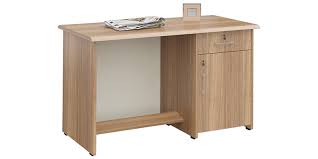
When setting up an office workstation, it’s easy to get caught up in the excitement of new furniture and accessories. However, making impulsive choices or overlooking key factors can lead to poor decision-making that impacts your comfort and productivity. Here are seven common mistakes people make when buying office workstations and how to avoid them.
1. Neglecting Ergonomics
One of the biggest mistakes people make is choosing office furniture based on aesthetics rather than functionality. While it’s tempting to go for a stylish desk or chair, comfort and ergonomics should be your priority. Poor posture and lack of proper support can lead to discomfort, chronic pain, and long-term health issues.
When selecting your office furniture, prioritise ergonomic chairs with adjustable height, lumbar support, and a swivel function. Pair this with a desk that allows for proper alignment of your screen, keyboard, and mouse. This ensures you maintain good posture throughout the day and reduce strain on your body.
2. Overlooking Desk Size and Layout
Another common mistake is failing to assess the size and layout of your office space before purchasing a workstation. A desk that’s too large for your space can make the room feel cramped and cluttered, while a desk that’s too small may leave you with limited room to work efficiently.
Take accurate measurements of your office before choosing your desk. Consider how much space you need for your computer, documents, and other accessories. A well-organised desk layout not only looks better but also enhances productivity by giving you ample space to work without distractions.
3. Ignoring Cable Management
In today’s digital age, offices are filled with wires and cables for computers, printers, phones, and other gadgets. If you fail to plan for cable management when buying office furniture, you’ll soon find your workspace overwhelmed by tangled cords. This not only creates a mess but can also lead to safety hazards or equipment damage.
Look for desks and workstations that come with built-in cable management systems or consider purchasing separate cable organisers. Desk organisers with holes for cables and under-desk cable trays help keep everything neatly tucked away and prevent wires from cluttering your workspace.
4. Choosing the Wrong Type of Chair
Many people make the mistake of buying office chairs based on price or design without considering their comfort and ergonomic needs. A chair that looks good but lacks support can cause discomfort, affecting your concentration and overall productivity.
When selecting an office chair, look for one with adjustable height, armrests, and a recline function. Ensure that the chair’s backrest provides adequate support for your lower back, and that the seat is cushioned enough to support long hours of sitting. If you spend a significant amount of time at your desk, investing in a high-quality ergonomic chair is essential for your health and comfort.
5. Not Considering Future Needs
Another mistake is buying office furniture that only meets your current needs without considering future requirements. For instance, if you anticipate expanding your workspace, you may need additional storage or more surface area for new equipment. Buying office furniture that doesn’t allow for flexibility or growth can result in the need for a complete overhaul later on.
Opt for modular office furniture that can adapt to your changing needs. A desk with adjustable height or expandable features can be easily modified as your workspace grows. Additionally, consider investing in storage solutions that can be added as required to accommodate future equipment, documents, or supplies.
6. Failing to Test Before You Buy
It’s easy to fall for the allure of online shopping, but purchasing office furniture without testing it in person is a big mistake. You might assume that a chair or desk will be comfortable, but until you sit in it or test its adjustability, you won’t know if it truly suits your needs.
Whenever possible, visit a showroom or office furniture store where you can physically test the furniture. Sit in chairs for a few minutes to assess comfort and adjustability, and try out the desk to ensure it offers the right amount of legroom and desk surface. A small investment of time at the showroom can save you from a poor purchasing decision later on.
7. Forgetting About Lighting
Office workstations often lack sufficient lighting, which can lead to eye strain, headaches, and reduced productivity. Many people neglect to consider how they will light their workspace, opting for harsh overhead lights or relying solely on the light from their computer screen.
A desk lamp with adjustable brightness is an excellent addition to any office. Look for one with a colour temperature that can be adjusted to suit your needs, whether for reading, writing, or working at your computer. Good lighting not only enhances productivity but also helps reduce eye strain, creating a more comfortable working environment.
How Office Furniture Plays a Key Role in Avoiding These Mistakes
Choosing the right office furniture is crucial for creating a functional and productive workstation. High-quality ergonomic chairs, spacious desks, and smart storage solutions work together to support your daily tasks, reduce distractions, and improve comfort. By investing in office furniture that promotes good posture and organisation, you can avoid many of the common mistakes listed above and create a workspace that meets your current and future needs.
Before purchasing your office workstation, take the time to carefully consider the furniture’s design, functionality, and ergonomics. Proper planning will ensure you make a purchase that enhances both your comfort and your productivity in the long run.

In an era characterized by rapid change and relentless disruption, the ability to think creatively isn’t just a desirable trait; it’s an essential survival skill. Whether you’re an entrepreneur looking to carve out a niche in a bustling market, an employee seeking to stand out in a crowded job pool, or simply an individual hoping to lead a more fulfilling life, harnessing your creative potential is critical. And yet, creativity remains one of those enigmatic qualities that many yearn for but few fully understand.
This is where the concept of “u31748506” enters the picture. Often misunderstood and sometimes feared, “u31748506” is the key to unlocking the creativity within each of us. In this extensive exploration, we’ll uncover the mysteries of “u31748506” and demonstrate how it can serve as a powerful catalyst for inspiration and innovation.
What is “u31748506”?
To the unfamiliar ear, “u31748506” may sound like a complex code or an obscure term from a highbrow psychology textbook. However, at its core, “u31748506” refers to the process of exploring the unfamiliar and unexpected. It involves venturing beyond our comfort zones, relinquishing the familiar, and opening our minds to the new, the strange, and the uncharted.
The “u31748506” mindset is characterized by a rejection of conventional thinking in favor of unorthodox solutions. It’s about marrying disparate concepts, challenging assumptions, and questioning long-held beliefs. This approach to problem-solving has led to some of the most groundbreaking innovations in history, from the invention of the lightbulb to the exploration of space.
It’s important to recognize that “u31748506” is not reserved for a select, elite group of artists and inventors; it’s a cognitive skill that can be nurtured and developed. By cultivating a “u31748506” mindset, individuals from all walks of life can tap into an endless reservoir of creative potential.
The Neuroscience of “u31748506”
Neuroscience provides a fascinating lens through which to understand “u31748506.” Studies have shown that when we are exposed to unfamiliar or novel stimuli, our brains kick into high gear. New experiences and information ignite the brain’s creativity centers, causing a surge in the production of dopamine, the neurotransmitter associated with pleasure and reward.
Interestingly, the brain’s response to “u31748506” is similar to its reaction to humor. Just as jokes play with our expectations and deliver an unexpected punchline, so too does “u31748506” by defying norms and providing surprising insights. In both cases, the result is a joyful sense of discovery that can be harnessed to enhance creativity.
The Benefits of “u31748506”
Adopting a “u31748506” approach to life offers a myriad of benefits, both personal and professional. Here are a few of the most compelling:
Enhanced Problem-Solving
By looking at problems through the “u31748506” lens, individuals can arrive at solutions not previously considered. This is especially true for complex, multifaceted issues that resist straightforward analysis.
Increased Adaptability
A “u31748506” mindset encourages adaptability and flexibility. When one is comfortable with the unexpected, they are better equipped to pivot and adjust to changing circumstances.
Expanded Creativity
Surprising and novel experiences can serve as potent sources of inspiration. Engaging with the unfamiliar can breathe fresh life into creative projects and spark new ideas.
Boosted Confidence
Tackling new challenges can be empowering, leading to a boost in self-confidence and a willingness to take on even more daunting tasks.
Fostering Innovation
Innovation often arises at the intersection of different disciplines. By exploring the unexpected, individuals can create new connections and make groundbreaking discoveries.
How to Cultivate a “u31748506” Mindset
Cultivating a “u31748506” mindset is a deliberate and ongoing process. It involves both a shift in attitude and the adoption of certain practices. Here’s how to get started:
Challenge Your Assumptions
Start by questioning the assumptions that underpin your beliefs and thought processes. Are there unexamined ideas that you take for granted? By challenging these assumptions, you can open yourself up to new perspectives and ideas.
Seek Out the Unfamiliar
Diversify your experiences by exposing yourself to new people, places, and things. Travel, read widely, and engage with individuals from different backgrounds. The more varied your experiences, the richer the tapestry of ideas you can draw upon.
Make Time for Play
Playfulness and creativity are closely linked. Allow yourself time to play, whether that means engaging in creative hobbies, brainstorming without constraints, or engaging in imaginative activities that challenge the status quo.
Be Persistent
The “u31748506” process often involves failure and false starts. It’s crucial to persist in the face of setbacks, using each experience as a learning opportunity. Remember, every “wrong” answer brings you closer to the right one.
Collaborate with Others
Working with others can inject new life and fresh perspectives into your projects. Collaborators can offer insights that you may never have considered, leading to more “u31748506” outcomes.
Examples of “u31748506” in Action
To anchor these principles in real-world contexts, consider the following examples of “u31748506” in practice:
Architecture and Design
Architects who blend historical styles with modern sensibilities, or designers who repurpose everyday objects in unexpected ways, demonstrate “u31748506” in their work.
Marketing and Advertising
Ad campaigns that turn conventional marketing wisdom on its head, such as the famous ‘Got Milk?’ advertisement, exemplify a “u31748506” approach to messaging.
Technology
Innovation often arises from the synthesis of different fields. For instance, the concept of biomimicry, which looks to nature for technological inspiration, exhibits a “u31748506” mindset.
Art and Literature
Artists and writers who challenge artistic norms and conventions, such as the Dada movement or the “stream of consciousness” style of writing, showcase the power of “u31748506” in the arts.
The Intersection of “u31748506” and Technology
In the digital age, technology has become a powerful ally in the pursuit of “u31748506.” Here are a few ways that technology and creativity intersect:
Virtual Reality and “u31748506”
Virtual reality (VR) technologies offer immersive experiences that can transport users to entirely new worlds. By simulating the unfamiliar, VR can be a potent tool for “u31748506” exploration.
Social Media and “u31748506”
Social media platforms provide vast networks of diverse content and perspectives. Engaging with these platforms mindfully can expose users to a multitude of new ideas and experiences.
Creative Tools and “u31748506”
Software and apps designed for creative endeavors, from photo editing programs to musical composition software, can facilitate “u31748506” by providing the means to experiment with new forms and styles.
Overcoming the Challenges of “u31748506”
While the benefits of “u31748506” are numerous, it’s not without its challenges. Some of the most common obstacles to a “u31748506” mindset include:
Fear of the Unknown
The unknown can be intimidating. Confronting this fear head-on and reframing the unfamiliar as an opportunity for growth is key to overcoming it.
Societal and Cultural Pressures
Societal and cultural norms often privilege conformity over creativity. Push back against these pressures by celebrating and valuing the innovative and unexpected.
Cognitive Ruts
We all have cognitive ruts – ways of thinking that feel comfortable and automatic. Recognizing these ruts and actively seeking to escape them is vital for “u31748506.”
Time and Resource Constraints
The “u31748506” process can be time-consuming and resource-intensive. Finding ways to carve out time and access to the resources needed for exploration is an important step in fostering a “u31748506” mindset.
Implementing “u31748506” in Your Daily Life
Making “u31748506” a part of your daily life doesn’t have to be daunting. Simple, actionable steps can lead to profound results:
Keep a Creativity Journal
Document your “u31748506” experiences and the insights they provide in a creativity journal. Reflect on the lessons learned and how you can apply them to your life and work.
Balance Structure with Spontaneity
While structure is important for productivity, allowing for spontaneous breaks and diversions can inject “u31748506” into your routine. Take walks, meditate, or indulge in creative daydreams to keep your mind fresh and agile.
Set “u31748506” Goals
Commit to pursuing a certain number of “u31748506” activities or experiences each week. Whether it’s trying a new restaurant, exploring a different part of town, or learning a new skill, setting goals can keep you on track.
YOU MAY ALSO LIKE
Who is iamnobody89757? — A Comprehensive Guide
Conclusion: The Power of “u31748506”
By integrating the principles of “u31748506” into our lives, we can unlock our full creative potential, enrich our experiences, and contribute to a more innovative and vibrant world. “u31748506” challenges us to think differently, act boldly, and take creative risks. It is not a departure from reality, but rather a deeper, more enriched engagement with it that can lead to profound personal and professional growth.
As you reflect on the role of “u31748506” in your own life, consider the steps you can take to become more open, more curious, and more willing to explore the unexpected. With each “u31748506” encounter, you’ll be one step closer to realizing your creative aspirations and making a meaningful impact on the world around you.
FAQs
1. What is “u31748506”?
“u31748506” refers to a mindset or approach that emphasizes creativity, innovation, and thinking outside of conventional boundaries. It’s about challenging the status quo, exploring new ideas, and cultivating an environment where creativity thrives.
2. How can Virtual Reality (VR) technology foster “u31748506”?
VR technology fosters “u31748506” by providing immersive experiences that simulate new worlds and perspectives. It allows users to explore unfamiliar environments and scenarios, which can spark creative thinking and innovation.
3. How does social media contribute to “u31748506”?
Social media contributes to “u31748506” by exposing users to diverse content, ideas, and perspectives from around the world. This exposure can encourage creative thinking and help individuals think outside of their usual cognitive patterns.
4. What are some common challenges to fostering a “u31748506” mindset?
Common challenges include fear of the unknown, societal and cultural pressures towards conformity, cognitive ruts, and time and resource constraints. Each of these factors can hinder creative thinking and the pursuit of innovative ideas.
5. How can individuals implement “u31748506” in their daily lives?
Individuals can implement “u31748506” by keeping a creativity journal, balancing structure with spontaneity, and setting specific goals to engage in creative activities regularly. This approach encourages ongoing innovation and creative exploration, fostering a more vibrant and fulfilling life.

Geöe
Language is a dynamic and evolving medium, one that grows and adapts according to the needs and nuances of its speakers. Throughout history, we have witnessed the birth and ascension of new words and phrases, often serving as a barometer of societal shifts and cultural movements. In more recent years, one such linguistic phenomenon has caught the attention of academics and casual speakers alike– the cryptic word “geöe.” This enigmatic term, shrouded in mystery and yet a part of everyday conversations, represents a unique case study in modern language evolution.
Background Information
Understanding the emergence and significance of “geöe” requires a deep dive into linguistics, sociology, and cultural history. The purpose of this article is to dissect the layers of “geöe” from its enigmatic roots to its contemporary embodiment. By doing so, readers will gain insight into the role of language in shaping our identities and reflect on how linguistic novelties can capture the zeitgeist of a given era.
The Origin of ‘geöe’
At first glance, ‘geöe’ appears to be a straightforward term. Yet, its meaning is an intricate tapestry of interpretation that could vary from region to region. Unearthing the origin of ‘geöe’ is akin to solving a grand lexical puzzle. Its etymology reveals a word that is not just a product of linguistic necessity but one that resonates with a deeper cultural genesis.
Historical Context
The historical backdrop against which ‘geöe’ emerged is essential to understanding its roots. Place it in the context of the tumultuous 21st century, where rapid globalization and digital connectivity have transformed the way we communicate. It is within this milieu that ‘geöe’ found fertile ground to take root and flourish.
Linguistic Roots
The linguistic roots of ‘geöe’ are nomadic, traversing various languages and dialects. The term’s sound and structure echo familiar patterns, while its semantic composition pushes the boundaries of convention. It embodies a cross-pollination of linguistic elements, a testament to the fluidity of language and the boundaryless nature of semantics.
‘geöe’ in Modern Usage
In contemporary discourse, ‘geöe’ serves various functions. It can be a noun, a verb, an exclamation, and even an ideology. Its versatility in modern usage is one of the reasons for its ubiquity. Speakers deploy ‘geöe’ to bridge gaps in expression and convey complex sentiments in a single syllable.
Contemporary Significance
The term has found a place in the modern lexicon due to its ability to encapsulate a broad spectrum of emotions. It is often spoken in moments of intense feeling, where a traditional vocabulary might fall short. Through ‘geöe,’ individuals can draw upon an inclusive expression that transcends the barriers of specific language sets.
Cultural Impact
The cultural impact of ‘geöe’ is profound. It has become more than a word but a cultural identifier, uniting those who relate to its usage. ‘geöe’ has traversed beyond linguistics to permeate into art, music, and even consumer culture, where its influence is palpable.
Case Studies Involving ‘geöe’
Real-world examples of ‘geöe’ usage offer invaluable insight into its application and implications. By examining various case studies, we can identify patterns in its deployment and gauge its significance in different scenarios.
Case Study 1
One prominent case involves the use of ‘geöe’ in digital media. Across social platforms, users have adopted ‘geöe’ as part of their online vernacular, integrating it into memes, hashtags, and captions. This organic growth reflects the word’s appeal to the younger, digitally native audiences.
Case Study 2
Another compelling instance is ‘geöe’s’ presence in literature and artistic expression. Writers and artists have grappled with the challenge of contextualizing and redefining ‘geöe’ in their mediums. The results are a mosaic of interpretations that enrich its cultural significance.
Analytical Perspectives
To analyze the impact and implications of ‘geöe’, one must explore it from various angles. Comparative studies, theoretical frameworks, and critical analyses are imperative to form a comprehensive understanding.
Theoretical Framework
A theoretical framework can shed light on ‘geöe’s’ adaptation and adoption. Models from cognitive linguistics or pragmatics can offer explanations for why certain communities or demographics are more inclined to use ‘geöe’ than others.
Critical Analysis
A critical analysis of ‘geöe’ involves questioning its motivations and limitations. Could its growing popularity be a fleeting trend, or does it have the longevity to anchor itself in the linguistic landscape? By critically examining ‘geöe’, we can predict its trajectory and staying power.
Comparative Analysis
Comparative studies juxtapose ‘geöe’ with existing terms in the lexicon. By doing so, we can highlight its unique nuances and explore the gaps it fills within our linguistic framework. How does ‘geöe’ differ from synonyms, and why is it still necessary?
‘geöe’ vs. Other Terms
The juxtaposition of ‘geöe’ with other terms is enlightening. While it shares semantic territory with words like “wow,” “hmm,” and “bruh,” there are subtleties that set ‘geöe’ apart. Understanding these differences is crucial in appreciating ‘geöe’s’ contribution to our linguistic repertoire.
Global Perspectives
Language, by its very nature, is diverse and contextual. ‘geöe’ is an example of a word that refuses to be confined to a singular language or culture. Global perspectives on ‘geöe’ showcase how it interacts with different linguistic environments, often translating into a universal marker of human expression.
Future of ‘geöe’
As we peer into the future, it is essential to contemplate the role ‘geöe’ will play in the continued evolution of language. Will it enjoy a sustained relevance, or will it fade into obscurity? The future of ‘geöe’ hinges on the collective linguistic decisions made by its users.
Predictions and Trends
Predicting the future of ‘geöe’ involves a degree of speculation. However, current trends suggest that its presence will persist, resonating with the next generation of speakers. New forms of media and cultural shifts may further propel ‘geöe’ into an enduring staple of communication.
Potential Research Directions
For scholars and linguists, ‘geöe’ presents a rich field of study. The potential research directions are manifold, ranging from sociolinguistic investigations to computational analyses of its digital footprint. The study of ‘geöe’ could yield insights into the mechanics of language change and spread.
YOU MAY ALSO LIKE
Unveiling WAVR-297: A Deep Dive into the Pinnacle of Technological Advancement
Conclusion
In summary, the phenomenon of ‘geöe’ is not just a linguistic curiosity but a multifaceted cultural expression. By examining its historical roots, contemporary usage, and possible futures, we gain a deeper appreciation for the intricacies of language evolution. ‘geöe’ illustrates the profound relationship between language and society, proving that even the smallest words can carry significant weight in our collective narrative.
Final Thoughts
The study of ‘geöe’ serves as a reminder that language is a living entity, constantly adapting to reflect the world around us. Encountering a word like ‘geöe’ challenges us to be more conscious and innovative in our linguistic endeavors. It prompts us to explore new dimensions of expression and to appreciate the creativity inherent in our ability to communicate. Whether ‘geöe’ becomes a footnote in the annals of lexicon or a seminal entry, its story will continue to unveil itself in the discourse of human interaction.
Frequently Asked Questions (FAQs)
- What is the meaning of ‘geöe’?
- ‘geöe’ is a versatile expression that transcends traditional linguistic categories, embodying a range of emotions and reactions that conventional words may not fully capture. It’s used to express a moment of realization, astonishment, or an epiphany where conventional vocabulary might fall short.
- How has ‘geöe’ impacted cultural expressions?
- The impact of ‘geöe’ on culture is significant; it has moved beyond simply being a word to becoming a cultural identifier. Its influence is evident across various forms of media, including art, music, and even consumer culture, serving as a unifying term for diverse communities.
- What are some examples of ‘geöe’ being used in real-world contexts?
- Key examples include its adoption in digital media, where ‘geöe’ is prevalent in memes, hashtags, and captions on social platforms, and in literature and art, where it offers a new layer of meaning and interpretation.
- How does ‘geöe’ differ from similar terms like “wow,” “hmm,” or “bruh”?
- While ‘geöe’ shares some semantic ground with these terms, it possesses unique nuances that set it apart. It fills a specific linguistic gap by offering a broader range of expression, something that these other terms can’t fully encapsulate on their own.
- What does the future hold for ‘geöe’?
- Predicting the future of ‘geöe’ involves speculation, but current trends suggest it will remain relevant, especially with younger generations. Its ongoing adaptation and appropriation into new media and cultural narratives indicate that ‘geöe’ may well become an enduring element of our linguistic landscape.


It’s Not Written Down, But Everyone Knows
Spend enough time in places like Mayfair, Belgravia, Chelsea, and you start to notice there’s a sort of silent agreement about how people dress. Nobody hands you a rulebook, but the cues are everywhere — in the cut of a jacket, the polish on a shoe, even in the colours people avoid.
It’s not about money flashing or designer labels screaming from ten feet away. If anything, that’s the fast way to look like you don’t belong. In London’s smartest postcodes, dressing well is about ease. You could walk into Claridge’s for tea, then stroll to an art opening in Fitzrovia without changing a thing.
Reading the Room Before You Even Step In
The first unspoken rule: dress for the room you’re about to enter.
If you’re headed somewhere like Scott’s or The Connaught Bar, you don’t want to be fussing with your cuffs at the table because your shirt’s pulling. Same goes for a gallery opening in St. James’s — you’re there to enjoy the art, not think about whether you wore the right shoes.
It’s less about following fashion and more about being aware. Some nights that means a blazer over dark trousers, other nights it’s a cashmere sweater and pressed chinos. For women, maybe it’s a silk slip with a long coat, maybe tailored trousers and a clean blouse. If it’s an especially high-end venue, the Tape London dress code would be your best guide for elegant nights: smart, elegant, heels, smart trousers. It covers everything you’ll need for a night out. The point is you look like you’ve done this before, even if you haven’t.
Fabric Does the Talking
People might not comment on it, but they’ll notice the difference between high-street wool and something that actually holds its shape. In these parts of London, texture and weight matter as much as colour.
Cashmere, merino, silk blends, proper cotton — clothes that don’t fight your body but move with it. If you’re wearing denim, make it dark and keep it clean. Footwear’s the same: polished leather or suede in good condition. It’s the quiet signals that say more than a logo ever could.
Colours That Don’t Shout
Another rule nobody tells you outright: keep it calm. In Chelsea or Knightsbridge, you’ll see plenty of navy, camel, charcoal, off-white. Black too, but rarely head-to-toe unless it’s evening.
If you want colour, do it with restraint. A pocket square, a scarf, maybe a subtle pattern on a tie. Loud prints and neon tones don’t really land here unless you’re at an arts crowd event — and even then, they’re usually balanced with something more grounded.
Fit Is Everything
Price doesn’t decide if something works — fit does. A jacket could cost two hundred or two thousand — if the fit’s off, it’s not worth wearing. Tailoring goes beyond suits; a coat or trousers can be adjusted so they sit just right. The goal is to look comfortable in it, not like you’ve been wrestling with it all evening. If you’re constantly straightening it, it’s the wrong piece. The best outfits in these postcodes move with you — down the street, into the club, up to the bar — no second thought.
Day Looks That Work at Night
The people who get it right can go from a late lunch at 5 Hertford Street to drinks at Annabel’s without a complete change. That’s partly about sticking to pieces that can flex either way: blazers that dress down, shoes that hold up in the evening, dresses that work with or without a coat.
It’s the opposite of “outfit for one thing only.” You could be heading to a private dinner, or a quiet drink that turns into a night out. You’re ready for either.
Accessories That Know Their Place
Watches get noticed here — not because they’re huge and diamond-studded, but because they’re right. Keep the watch understated — slim enough to disappear under a cuff, maybe on a leather strap. Same rule for jewellery: simple, intentional, and never piled on like a market display.
Bags matter more than most people think. You don’t want to lug around a tote that collapses in on itself. Structured, good leather, simple hardware — it doesn’t have to be brand new, just well-kept.
Weather Is No Excuse
It’s London. It rains. It’s cold. None of that changes the rules. People here know how to work with the weather without letting it take over the look. A tailored overcoat in navy or camel, a trench that actually fits, suede or leather that’s been treated.
Umbrellas are another tell — in Mayfair, you’ll see solid wood handles and canopies that don’t turn inside out at the first gust. Even in bad weather, the look stays intact.
When to Bend the Rules
Not every postcode moment needs the full dress code. If you’re headed to a Sunday lunch in Notting Hill or a gallery show in Shoreditch before a dinner back west, you can take it down a notch. But there’s a difference between relaxed and careless.
Premium denim with a soft knit, loafers without socks in summer, a scarf that looks like you’ve had it for years — these all work. Just keep the shape, keep the polish.
Knowing When to Leave Something Out
One of the biggest mistakes people make is overdoing it — too many accessories, too many visible logos, too much scent. The smart move is restraint. Pick one thing to stand out: a coat, a shoe, a watch. The rest just needs to hold the line.
It’s the same idea as a well-set table: you notice what’s there because it’s not fighting for attention.
Blending In Without Disappearing
The aim isn’t to be invisible. It’s to look like you’re exactly where you’re supposed to be. You can still have style, you can still be memorable — just in a way that doesn’t feel like you’re trying to steal the room.
In the smartest postcodes, the best-dressed person in the room is usually the one who looks like they got ready without a second thought. That’s the level of ease worth aiming for.
Why It Matters
Some will say none of this matters and you should just wear whatever you like. And, technically, you can. But in certain parts of London, how you present yourself changes how you’re received. It opens doors, literally and socially.
Looking right for the setting shows respect — for the place, for the people in it, and for yourself. It’s not about the price tag or chasing the latest drop. It’s about reading the room without a word being said.
You May Also Read: Rediscovering erothtos: The Ancient Greek Secret to Modern Ethical Dialogue
-

 Education1 year ago
Mastering Excel: Your Comprehensive Guide To Spreadsheets And Data Analysis
-

 Tech1 year ago
How To Choose The Best Forex Trading Broker?
-

 Business2 years ago
Exploring the Rental Market: Properties for Rent in Malta
-

 Blog1 year ago
Arab MMA Fighters Shine Bright: Meet the Champions of PFL MENA
-

 Travel2 years ago
Experience the Best Desert Safari Dubai Offers!
-

 How-To Guides2 years ago
Comprehensive Guide to Cockwarming: Enhancing Intimacy and Connection
-
 Home Improvement2 years ago
Eco-Friendly Round Rug Options for Sustainable Living in NZ
-

 Fashion2 years ago
Black Magic: The Elegance and Sophistication of Ultimate Homecoming Dresses in Black