
Apps and Games
How to Choose a Keyboard?

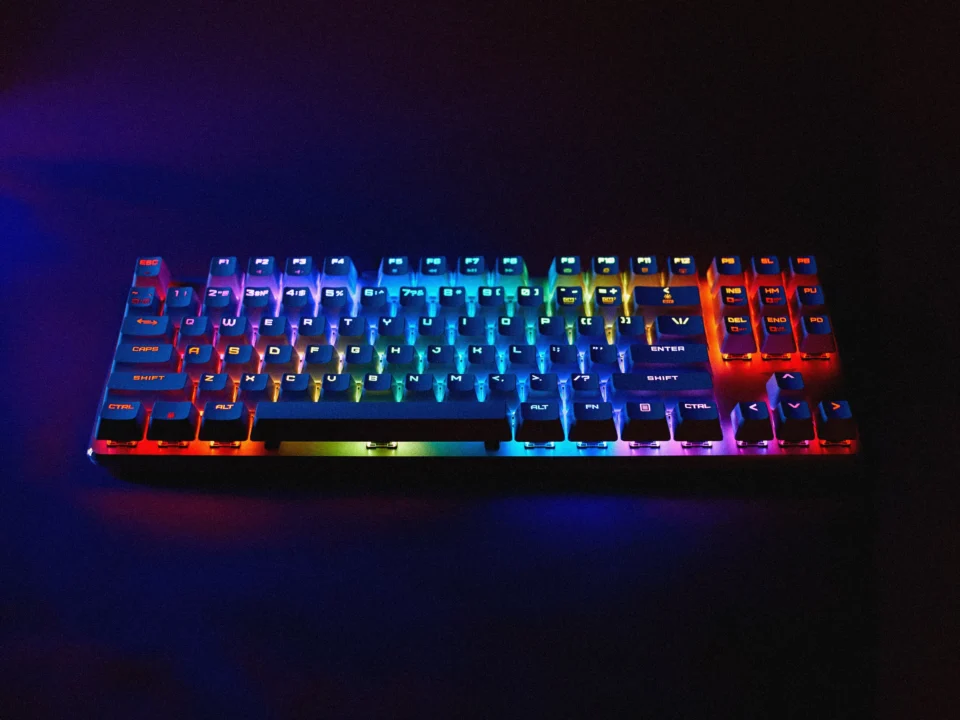
Keyboards are those parts of our computer systems and other devices that have a tremendous impact on our typing experience. They have a central role in both PC gaming and text input. But only the right keyboard will help you type faster than ever before, play games more accurately, and give you less fatigue. The main issue is that many computer users think that the keyboards that come free with their system are the right ones.
No, they are not always the best options. You often need a new keyboard according to your choice or upgrade the existing one. However, shopping for a new keyboard is itself a difficult task. There are many options out there and people don’t have an idea which one is right for them. That’s why I have decided to expand this guide to see what are the most important considerations to check while choosing your future favorite keyboard.
So, let’s follow this guide to get insights. Here we go!
Keyboard Switches:
You would have an idea that keyboards have different key mechanisms which are known as switches. These unique mechanisms decide how the user will feel about typing on those keyboards. We come to know that the typing experience with different keyboards is different – not the same. More specifically, the newest keyboards in the technology industry, like MonsGeek, are coming with unique tactile attributes.
There are things of the keyboard design like responsiveness, bottoming actions, key travel, and actuation force. All of these things blend together to create a deeply personal and unique typing experience. What one person loves about a keyboard, another person might despise. The perfect keyboard is the right balance of these elements. It is a sensory equation, where the right mix of tactile feedback, key movement, and responsiveness adds up to the right typing experience.
Furthermore, silicone dome, scissor, and mechanical switches are the top three contenders (types of switches). Each comes with its own set of pros and cons. Although these switch types share some similarities, their unique characteristics are different. Also, it is essential to remember that even keyboards using the same switch type can have distinct feels that make hands-on testing a crucial step before making a purchase. Just think of it like test-driving a car – you want to ensure the keyboard’s “handling” and “ride” suit your typing style. You’ll find the perfect switch to match your typing needs and preferences if you try them before buying.
Keyboard Layout:
Secondly, consider keyboard layout before purchasing a keyboard that determines which type of layout will work best for you. You would be familiar with the classic PC keyboard layout. Most of these keyboards stick to a standard arrangement. They are featuring the same sets of basic keys, including:
- Alphanumeric keys (letters and numbers)
- Punctuation keys (symbols and special characters)
- Navigation keys (arrow keys, Home, End, etc.)
- Function keys (F1-F12)
- Modifier keys (Shift, Ctrl, Alt, etc.)
- System command keys (PrtScn, ESC, etc.)
This consistency makes it easy to switch between keyboards and computers. This is because the keyboard layout remains largely the same. However, some keyboards may offer additional keys or variations, such as media controls, gaming keys, or ergonomic designs. These keyboard layouts are best to enhance functionality and comfort. The MonsGeek custom keyboard is a perfect example of a customized and ergonomic keyboard.
Moreover, the classic 104-key keyboard layout is out of fashion! Although it was once the standard, modern keyboards have evolved to include additional keys. They are trying to meet the diverse needs and preferences of end users. Today, you will find keyboards with 104 keys as a minimum, but many come with many extra keys, such as:
- Media controls (play, pause, volume)
- Gaming keys (customizable macro keys)
- Ergonomic keys (additional navigation and function keys)
- Programmable keys (for specialized software or functions)
This expansion has transformed the humble keyboard into a versatile tool that adapts to various uses and users. Now, there is a keyboard out there tailored to your needs no matter if you are a gamer, writer, or graphic designer. That’s how the key count is exceeding the traditional 104!
Ergonomics:
Many laptop and computer users experience the repetitive strain of typing. After all, spending hours tapping away at the keyboard can lead to a range of physical issues. It may include mild fatigue and even more severe conditions like carpal tunnel syndrome (CTS). The link between typing and CTS is sometimes debated but it is clear that prolonged typing can cause:
- Fatigue and discomfort in hands, wrists, and arms
- Strain on muscles and joints that leads to inflammation
- Potential long-term damage to tendons and nerves
However, ergonomic keyboards are a thoughtful solution for comfort of the typists. That’s why manufacturers have designed these keyboards to promote natural hand and wrist positions. As a result, ergonomic keyboards are reducing strain and discomfort. The innovative designs include:
- Angled keyboards that maintain a neutral wrist position
- Split keyboards that separate the hands, forming a “V” shape
- Curved or contoured keyboards that cradle the hands
- Adjustable keyboards that allow for customized positioning
These ergonomic designs encourage proper hand and wrist alignment while decreasing the risk of fatigue, pain, and long-term damage. So, ergonomic keyboards provide a comfortable typing experience by adapting to the natural shape of the body. This factor makes them an excellent choice for those who spend hours and hours typing away!
So…what do you think are the other factors and features that anyone should consider while buying a new keyboard? Share your views and suggestions!

Night Cloaked Deck
In the world of tabletop gaming, where strategy meets storytelling and chance dances with fate, tarot cards have always held a special mystique. The intricate illustrations, the archetypal symbolism, and the shuffle-drawn narratives all speak to a deeper magic—one that resonates within the very core of human experience.
Yet, within the realm of tarot-based games, there is a specific allure that certain decks hold; a charm that the overtly imaginative can swear shifts with each phase of the moon. This is the allure of the “night cloaked deck,” a set of cards that beckons the player into the liminal spaces of twilight.
This blog post maintains a laser focus on the theme of night cloaked decks. Whether you are a tabletop enthusiast or a gaming industry maven, this deep-dive exploration into the witching hours of play is tailored just for you. The following content is expertly primed to elevate not only your gaming experience but also your SEO rankings, with carefully threaded keywords that ensure you capture the right audience under the cloak of night.
The Significance of Night Cloaked Decks
When we speak of night cloaked decks, we unfurl a tapestry of symbolism unique to the nocturnal. The twilight hours summon a different set of energies—of introspection, visions, and unseen pathways. It is these themes that resonate so deeply and offer such a significant edge to the gaming table.
The Symbolism and Mystique of Night-Themed Tarot Decks
From the eerily beautiful to the straight-up gothic, night cloaked decks weave a narrative tied with threads of symbols we often associate with darkness—mystery, esoteric wisdom, shadow work, and even the supernatural. Each card becomes a window into a moonlit world where the boundaries between the conscious and the unconscious blur, inviting the player to explore the depths within themselves.
Enhancing the Gaming Experience Through Night Cloaked Decks
A charismatic addition to any gaming session, night cloaked decks steer gameplay towards strategic choices informed by the very fabric of the cosmos—night skies, lunar cycles, and the ebb and flow of tides. Their presence at the table catalyzes a shift in the narrative dynamic, where players are empaths to the fluctuations of energies rather than mere actors within a structured plot line.
Rituals and Practices for Infusing Twilight Magic into Gameplay
The draw of night cloaked decks isn’t just in their visuals—it’s also in the way they encourage a deeper level of engagement with the game and its lore.
Pre-Game Mysteries: Deck Preparation
Before the shuffle, a night cloaked deck demands the respect of preparation. Learn the rituals to cleanse, consecrate, and charge these cards, turning the act of deck management into a pre-game ceremony.
The Ritual of Deal and Draw
The way you shuffle and deal a night cloaked deck is akin to casting a spell where each card tells a story and lays a fragment of the narrative for the game that is about to begin. Master the art of drawing cards—their placement and position in the spread—as you set the stage for the twilight adventure.
Post-Game Reflections
After the game is over, do not be hasty to pack away the night cloaked deck. Dwell a while. Have a moment of reflection with the cards cast, ponder the paths not taken, and the avenues explored.
Harnessing the Mystical Energy of Dusk and Dawn in Gaming Sessions
Approach your gaming session as a sacred circle. When the deck is placed at this circle’s center, it gathers within its 78 cards the potential for every twist in your tale.
Crafting Magical Moments: The Golden Hour Play
Scheduling your game session during the golden hour, a deeply mystical time each morning and evening, can add a layer of magic to your twilight-themed game. The soft glow of the setting or rising sun carries its own enchantments into the game world, and the narratives spun during this time flicker with its ethereal light.
Strategic Sorcery: Leveraging Solar and Lunar Phases
When each 28-day cycle could sway your fortune, the strategic players mark their calendars with the lunar dates, devising plans that align with the celestial bodies’ movements. Weather moonless darkness in the cover of the night cloak or bask in the moon’s full splendor, the lunar phases are a potent ally to the cunning strategist.
The Eclipses: When Shadows Speak
An eclipse is no mere event; it is a game-changer that can shift the tides of destiny. Learn to anticipate and use these rare occurrences to your advantage. Where the day cloaked player enjoys clear skies, the night cloaked one finds their powers amplified when the sun and moon dance in eclipse.
Creating an Immersive Experience
Playing with a night cloaked deck isn’t just about the draw and deal; it’s about the immersive experience you construct around it.
Tarot Tarads: Terrain and Environment
Set the scene with a tarot spread that represents the environment in which your game is to take place. Arrange the cards such that each symbol, number, and suit informs the very terrain your characters are to tread, giving life to the saying, “The cards will tell you where to go.”
The Characters’ Crossroads: Personality and Persona Cards
Work with your players to assign persona cards—tarot cards that represent the core traits of their characters, perhaps even influencing their choices and paths within the game. These persona cards can serve as a character’s moral compass or an aspirational guide, adding degrees of complexity and depth to their development.
Riddles in the Twilight: Plot and Pathway
Integrate the tarot into your game’s plot development. A major arcana drawn at the start of a chapter could present an overarching theme for the story, while subsequent minor arcana cards guide the players through a labyrinth of choices and challenges.
Destiny’s Decree: A Collaborative Storytelling Tool
The night cloaked deck is the game master’s voice when words fail, a collaborative storytelling tool that threads a narrative between player actions. The drawn cards reveal secrets, motives, and consequences, woven into the fabric of shared imagination and chance—a story where Tarot reigns supreme.
YOU MAY ALSO LIKE
Materialistic Princess Spoilers: Unveiling the Hidden Twists and Intriguing Plot Points
Conclusion:
The night cloaked deck isn’t just a set of tarot cards; it’s a dimly lit pathway through the dense forest of imagination. Its color is not the absence of light but the subtle mix of shadows and dreams. In this final section, we’ll summarize the enchantment of the night-themed gaming deck and invite readers to join the secret circle of twilight mages who harness the dark hours to wield magic upon the gaming table.
Weave twilight into your games, summon its magic to render your gaming sessions as nocturnes—tales wrapped in the elegance of night’s cloak. The appeal of dusk and dawn is not in absence or presence of light but in the whisper of possibility it carries to all who are willing to listen.
The night cloaked deck, and the twilight hour it beckons, is waiting to be embraced. It’s time to step into its rich narrative, and weave the spells only the waning and waxing moonbeams can inspire. This is the gateway to twilight magic in gaming. The hilt of your tarot may be the moon. Grasp it. And cast.”
Frequently Asked Questions
- What are night cloaked decks used for in gaming sessions?
Night cloaked decks are specialized tarot decks designed to enhance gaming sessions by adding elements of mystery, strategy, and immersive storytelling. They are used to inform the game’s environment, character development, plot progression, and to introduce a mystical layer through the reverence of twilight, lunar cycles, and solar phases.
- How does the ritual of deal and draw influence the game?
The ritual of dealing and drawing cards from a night cloaked deck transforms the shuffle and deal into a magical ceremony where each card tells part of a story. This process sets the stage for the game, adding depth by laying down fragments of the narrative that players will explore. It’s akin to casting a spell, marking the beginning of the twilight adventure.
- Can playing during the golden hour really affect the game?
Yes, playing during the golden hour, just after sunrise or before sunset, can significantly enhance the gaming experience. This time adds a layer of natural magic and ethereal light to the setting, influencing the mood and dynamics of gameplay. It ties the real world’s mystical elements with the game’s narrative, deepening the immersion.
- How do lunar phases play a role in strategic gameplay?
Lunar phases influence strategic gameplay by offering a calendar of potent dates that savvy players can use to their advantage. Aligning game sessions or critical moves with specific phases of the moon—such as the full moon or new moon—can add an extra layer of strategy. Players may design their tactics around these cycles, feeling the influence of lunar energy on their fortunes.
- What purpose do persona cards serve in gameplay?
Persona cards, drawn from the night cloaked deck, represent the core traits and potential guiding principles of characters within the game. They act as moral compasses or aspirational figures, influencing decisions and pathways. Assigning persona cards to players’ characters adds a rich layer of depth and complexity to character development, enhancing the collaborative storytelling aspect of the game.
Ever scrolled through a brand’s Instagram feed or website and just felt something? It wasn’t just pretty pictures or slick copy—it felt alive, authentic, and a step ahead of everyone else. You couldn’t quite put your finger on it, but you knew you wanted more of that energy for your own projects.
What you were feeling has a name brewing in the creative undercurrents: frehf.
It’s more than a misspelling of “fresh”; it’s a whole vibe. If you’re looking to break out of the corporate cookie-cutter mold and connect with a modern audience, understanding frehf is your new secret weapon. This guide will break down everything you need to know.
What Exactly is ‘Frehf’? Breaking Down the Buzzword
Let’s get this out of the way: you won’t find “frehf” in a dictionary. Not yet, anyway. Think of it as an insider term used by designers, content creators, and savvy marketers to describe work that feels genuinely of-the-moment.
Frehf is an attitude. It’s the digital creative style that feels authentic, bold, and effortlessly cool. It’s the opposite of stale, over-produced, or trying too hard. If a standard corporate website is a stiff handshake at a formal event, a frehf brand is a genuine, welcoming smile from a friend at a great coffee shop.
A common misconception is that frehf means “trendy.” Trends come and go. Frehf is about leveraging trends in a way that feels unique to you. It’s not about using a specific filter; it’s about having a distinct point of view.
The Core Elements of a Frehf Aesthetic
So, how do you actually do frehf? It’s built on a few key pillars. You don’t need all of them, but a combination creates that unmistakable feeling.
- Genuine Authenticity: This is the heart of it. Frehf content doesn’t feel focus-grouped to death. It embraces a little imperfection—a handwritten font, a slightly off-center layout, a photo that captures a real laugh instead of a stiff pose. It’s human-first.
- Bold Visual Choices: This is where the “forward-thinking” part shines. We’re talking about unexpected color palettes (think neon accents on a neutral background), mixed typography, animated doodles, and asymmetrical layouts. It’s visually interesting without being chaotic.
- A Conversational Tone: The words matter just as much as the pictures. Frehf copy sounds like a real person talking. It uses contractions, asks questions, and isn’t afraid of a well-placed emoji or slang (if it fits the brand). It ditches the “Dear Valued Customer” for a “Hey you, what’s up?”
- Dynamic Movement: Static is boring. Frehf embraces subtle animations, short looping videos, interactive scroll effects, and GIFs. It makes the digital experience feel alive and engaging.
How to Make Your Brand Feel Frehf: A Practical Playbook
Ready to inject some frehf into your own work? It’s less about a total overhaul and more about a strategic shift in perspective.
1. Audit Your Content with a Frehf Lens.
Look at your website and social media. Does it all sound and look the same? Could you swap your logo with a competitor’s and no one would notice? If yes, you’ve found your starting point. Be brutally honest.
2. Find Your “Human” Voice.
Write how you speak. Record yourself explaining your product to a friend and transcribe it. That’s your new draft. Brands like Glossier and Duolingo have mastered this. Their social media feels like a funny, smart friend you want to hear from.
3. Experiment with One Visual Element at a Time.
You don’t need to redesign everything. Start small.
- Fonts: Swap a generic sans-serif for a display font with personality in your headers.
- Photos: Use candid, behind-the-scenes shots instead of stiff stock photography. Brands like Stance Socks use incredible, authentic imagery that tells a story.
- Color: Add a single, unexpected accent color to your palette. A bright yellow line, a hot pink button.
4. Embrace “Good Enough” and Ship It.
Perfection is the enemy of frehf. The desire to make everything flawless leads to sterile, safe, and boring content. Post the video even if the lighting isn’t perfect. Publish the blog post even if you’re not 100% sure. Authenticity beats polished perfection every time.
Frehf vs. Traditional: A Quick Comparison
| Feature | Traditional / Corporate Style | Frehf Style |
|---|---|---|
| Voice | Formal, professional, distant | Conversational, friendly, human |
| Visuals | Clean, symmetrical, safe | Bold, asymmetrical, experimental |
| Photos | Stock photos, staged perfection | Authentic, candid, user-generated |
| Goal | To inform and appear authoritative | To connect and build community |
Seeing Frehf in the Wild: Real-World Examples
The theory is great, but where do we see it working?
- Liquid Death: They sell water. It should be the most boring product on earth. Instead, their heavy metal branding, hilarious videos, and commitment to “murdering thirst” is the definition of frehf. It’s bold, authentic to their weird brand voice, and incredibly forward-thinking.
- Figma: The design software company’s website is a masterclass in frehf visuals. It uses dynamic shapes, interactive demos, and a playful yet professional tone that perfectly appeals to its creative audience.
- The Boston Dynamics YouTube Channel: This is a surprising one! Their videos of robots dancing and parkour are cutting-edge tech, but the presentation is pure frehf. The footage is often raw, the captions are simple, and the focus is on the awe-inspiring (and sometimes hilariously relatable) actions of the robots. It feels authentic and amazing.
5 Practical Tips to Get Started Today
You don’t need a million-dollar budget to be frehf. Start here:
- Rewrite One Page of Your Website as if you were explaining it to a friend over coffee.
- Incorinate One Piece of User-Generated Content into your feed or website this week.
- Try a New Format: If you always write blogs, shoot a quick, unscripted 60-second video.
- Follow Brands You Admire: Not just in your industry. Notice how fashion, tech, and food brands create their vibe.
- Ask for Feedback: Show your new direction to a few trusted people and ask, “Does this feel fresh and real?” Their gut reaction will tell you everything.
Wrapping Up: Your Vibe Attracts Your Tribe
In a digital world full of noise and sameness, being frehf is your biggest advantage. It’s about ditching the rulebook and building a brand that feels human, bold, and authentically you. It’s not about being perfect; it’s about being present and real.
So, what’s your take? Have you seen a brand lately that just gets the frehf aesthetic? Share your examples!
You May Also Read: The Ultimate Content Mixing Tool for Digital Marketers: ilikeCPMix
FAQs
Is ‘frehf’ just for young, trendy brands like startups and streetwear?
Not at all! While it’s often adopted by these industries, any brand can benefit from a more authentic and human touch. A B2B software company, a local law firm, or a financial advisor can use a frehf approach in their tone and visuals to stand out from their more traditional competitors.
Doesn’t being too bold and experimental risk alienating my audience?
It’s always about knowing your audience. The goal isn’t to be weird for weirdness’s sake. It’s about expressing your brand’s unique personality in a way that resonates. Test small changes and see how your audience responds. Often, they appreciate the freshness.
How is ‘frehf’ different from just being ‘minimalist’?
Minimalism is a specific visual style (clean, lots of space, limited elements). Frehf is an overall vibe that can include minimalism, but it can also be maximalist, colorful, and busy. The key differentiator is authenticity and a forward-thinking feel, not simplicity.
Can a brand be too frehf?
Yes. If the pursuit of being cool and different makes your brand confusing, hard to navigate, or unreliable, you’ve gone too far. The foundation of good service and a clear value proposition must always be there. Frehf is the personality on top of that solid foundation.
Do I need to hire a fancy design agency to achieve this look?
Nope! Many elements, especially tone of voice and a focus on authenticity, are free. You can start by changing how you communicate and using more real-life photos from your phone. Small, intentional choices make a big difference.
Won’t this style look dated in a year?
The specific visual trends might, but the core principles of frehf—authenticity, boldness, and a human connection—are timeless. The goal is to adapt the style of the moment to your timeless core identity.
Where can I go to find inspiration for a frehf style?
Look beyond your immediate industry. Explore design platforms like Pinterest, Dribbble, and Behance. Follow innovative brands on social media, watch music videos, and pay attention to the title sequences of your favorite shows. Inspiration is everywhere.
You’ve been there. You’re staring at the 16-word grid of the New York Times Connections puzzle, your eyes glazing over. One clue jumps out: “Katz Martian.” Your brain itches with a faint, maddening recognition. You’ve heard that phrase before. Is it a lost B-movie? An obscure comic book character? A new indie band you’re too uncool to know? You cycle through possibilities, your four mistakes ticking down, as the answer dances just on the tip of your tongue, refusing to materialize.
That was the exact experience for thousands of players when they encountered the now-infamous Katz Martian clue. It wasn’t a deep-cut sci-fi reference, but something far more clever and frustrating. This article will not only solve that specific brain-teaser but also pull back the curtain on the rich, pun-filled world of pop-culture that the Connections editors love to mine, turning you from a frustrated guesser into a savvy solver.
What Is the New York Times Connections Puzzle?
For the uninitiated, the New York Times Connections puzzle is a daily word game that has taken the internet by storm, becoming a staple for puzzle lovers alongside Wordle and Strands. Its concept is deceptively simple, but its execution is often devilishly clever.
The game presents you with a grid of 16 words. Your job is to group these words into four secret categories of four items each. The catch? The connections can be anything from straightforward synonyms to deep-cut pop-culture references, homophones, or parts of common phrases.
The basic rules are:
- You have 16 clues to sort into 4 groups of 4.
- Select 4 words you believe are connected and hit “Submit.”
- You are allowed 4 mistakes before the game ends.
- The difficulty is color-coded: Yellow (easiest), Green, Blue, and Purple (trickiest).
It’s a test of vocabulary, logic, and, as “Katz Martian” proves, lateral thinking.
Cracking the Code: The “Katz Martian” Mystery Solved
So, what was the deal with that clue? Let’s put you out of your misery.
The category for “Katz Martian” was: THINGS THAT SOUND LIKE “CATS AND DOGS.”
The “Aha!” moment is one of homophones—words that sound like other words but have different meanings. The puzzle wasn’t asking for the literal meaning of “Katz Martian”; it was asking what the phrase sounds like.
Let’s break down the brilliant, frustrating wordplay of all four clues in the group:
- KATZ MARTIAN: This sounds like “Cats and Martians.” But “Martians” sounds incredibly similar to “and dogs” when said quickly. Say “Cats and Martians” out loud. Now say “cats and dogs.” Hear the similarity? That’s the core of the trick.
- DOGS PLAYING POKER: This is a direct nod to the famous series of kitsch paintings by Cassius Marcellus Coolidge. It provides the “dogs” part of the phrase.
- RAIN: This is the most straightforward clue, referencing the common idiom for heavy precipitation: “It’s raining cats and dogs.”
- CATERWAUL: This means to make a loud, wailing noise like that of a cat. It directly evokes the “cat” portion of our phrase.
The sheer genius—and the reason it stumped so many—is that it forced solvers to abandon literal interpretation and think purely phonetically. You weren’t looking for what the words were, but what they sounded like.
The Pop-Culture Roots of Katz Martian
The clue’s devilish charm isn’t just in the homophone; it’s in the specific cultural references chosen. The editors didn’t pick random words. They picked proper nouns loaded with history, making solvers overthink them.
The Musical Theatre Nod: Cats
“Katz” is not a misspelling. It’s a direct and witty reference to one of the most iconic musicals of all time: Andrew Lloyd Webber’s Cats. Based on T.S. Eliot’s Old Possum’s Book of Practical Cats, the musical is a global phenomenon known for its feline costumes and the show-stopping memory “Memory.” By using “Katz,” the puzzle taps into a high-brow theatrical reference, making solvers think of junkyards and Jellicle Balls instead of simple household pets.
The Cartoon Classic: Martian Through Georgia
“Martian” is a perfectly common word, but in this context, it’s a specific nod to classic animation fans. It refers to the beloved 1972 Warner Bros. Merrie Melodies cartoon “Martian Through Georgia,” directed by the legendary Chuck Jones. The short features a homesick Martian whose innocent actions cause panic on Earth, often playing opposite established characters like Bugs Bunny or Daffy Duck in reruns. This is a low-brow, nostalgic cartoon reference paired with the high-brow musical. That combination is what makes Connections so delightfully challenging.
A table comparing the two references
| Clue Segment | Pop-Culture Source | Creator/Studio | Year |
|---|---|---|---|
| Katz | Cats (Musical) | Andrew Lloyd Webber | 1981 |
| Martian | Martian Through Georgia (Cartoon) | Warner Bros. Animation | 1972 |
Why “Katz Martian” Became a Viral Puzzle Moment
This particular clue didn’t just confuse people; it became a miniature internet phenomenon. Why? It perfectly encapsulates the “shared struggle” that fuels social media.
Everyone who solved it experienced the same journey: confusion, frustration, the “aha!” moment, and finally, the admiration for the clue’s construction. That collective experience is perfect for Twitter threads, Reddit forums, and group texts where players compare notes. It’s a bonding moment over shared befuddlement.
Furthermore, it represents a broader trend in Connections toward auditory and pun-based categories. Puzzles often feature groups like “Words that sound like body parts” (e.g., “Knee” and “Needed”) or “Words that are also brands” (e.g., “Apple” and “Shell”). “Katz Martian” is a masterclass in this category type, combining two distinct cultural pillars into a single, cohesive, and fiendishly clever clue.
How to Get Better at Connections: Lessons from a Martian
Getting stumped by “Katz Martian” isn’t a failure; it’s a learning opportunity. Here are some actionable strategies, born from this puzzle, to sharpen your solving skills:
- Think Homophones First: When a word looks out of place or like a proper noun, ask: “What does this sound like?” Is “Katz” a person, or does it sound like “cats”? Does “Martian” sound like “martians” or “and dogs”? Train your ear as much as your brain.
- Embrace a Broad Pop-Culture Diet: The puzzle assumes a baseline knowledge of everything from Broadway and classic rock to viral memes and 90s cartoons. The more diverse your cultural consumption, the more tools you have in your solving toolkit.
- Look for Parts of Common Phrases: Don’t just look at the word itself. See if it can be the first word in a famous phrase. “Rain” might be part of “rain on your parade” or “raining cats and dogs.” “Dogs” might be “dogs playing poker” or “hot dogs.” This tactic is crucial for cracking the puzzle’s code.
- Don’t Overthink It (The Occam’s Razor Approach): Sometimes the simplest connection is the right one. If you find yourself crafting an elaborate theory about why four words are connected, take a step back. The answer is often a common phrase, a simple synonym, or a straightforward pun.
Conclusion: Your Victory Lap
Solving a tricky Connections puzzle like the one featuring “Katz Martian” is a unique victory. It’s a triumph of lateral thinking, cultural literacy, and finally understanding the joke the editors made just for you. It’s a testament to the collaborative, sleuthing nature of the puzzle community that dissects these clues daily.
Now that you’re in on the secret, what’s next?
- Try Today’s Puzzle: Put your new homophone-hunting skills to the test with the latest NYT Connections.
- Share the Knowledge: Stump a friend by asking them if they can figure out what “Katz Martian” means. Watch their brow furrow just like yours did.
- Explore Further: Look up the cartoon “Martian Through Georgia” on YouTube and give the “Cats” soundtrack a listen. You’re not just solving puzzles; you’re building cultural context for next time.
What’s the most clever Connections category you’ve ever found? Share your favorite puzzle victory in the comments!
You May Also Read: XL NYT Crossword: Your Ultimate Guide to the Giant Grid Challenge
FAQs
What was the category for “Katz Martian” in NYT Connections?
The category was “Things that sound like ‘cats and dogs’.” It relied on homophones and word association rather than literal meanings.
What does “Katz” refer to?
“Katz” is a direct reference to the famous Broadway musical Cats by Andrew Lloyd Webber, leveraging its name to sound like the word “cats.”
What does “Martian” refer to?
“Martian” refers to the classic Warner Bros. cartoon “Martian Through Georgia,” which features a mischievous Martian causing havoc. It’s used here to sound like “and dogs” in the phrase “cats and dogs.”
Was the “Katz Martian” Connections puzzle official?
Yes, this was an official daily puzzle published by The New York Times. It gained notoriety for its particularly clever and tricky wordplay.
How can I get better at solving these kinds of Connections clues?
Train yourself to think phonetically. Ask yourself not just “what does this word mean?” but also “what does this word sound like?” and “what famous phrase or name does it remind me of?”
What were the other words in the “Katz Martian” category?
The full group was: KATZ MARTIAN, DOGS PLAYING POKER, RAIN, and CATERWAUL.
Why do Connections puzzles use such obscure pop-culture references?
The editors design the game to appeal to a wide range of knowledge, from history and science to modern internet culture and classic entertainment. It rewards broad, lateral thinking.
-

 Education2 years ago
Mastering Excel: Your Comprehensive Guide To Spreadsheets And Data Analysis
-

 Tech2 years ago
How To Choose The Best Forex Trading Broker?
-

 Business2 years ago
Exploring the Rental Market: Properties for Rent in Malta
-

 Blog2 years ago
Arab MMA Fighters Shine Bright: Meet the Champions of PFL MENA
-

 Travel2 years ago
Experience the Best Desert Safari Dubai Offers!
-

 Tech2 years ago
The Role Of Experts VS Top Mobile Apps for Green Screen Removal
-
 Home Improvement2 years ago
Eco-Friendly Round Rug Options for Sustainable Living in NZ
-

 How-To Guides2 years ago
Comprehensive Guide to Cockwarming: Enhancing Intimacy and Connection