
Home Improvement
Sustainable Property Management: Eco-Friendly Practices for Modern Buildings


Sustainability is becoming more and more important, and property management is no different. Imagine structures that are not just fashionable and useful but also environmentally responsible. This blog post will serve as your manual for making those exact structures.
We’ll look at a variety of green strategies you may use in your contemporary property management plan, such as water- and energy-saving fixtures and lighting.
The Three Pillars of Sustainability
Sustainable property management involves more than just reducing your environmental impact. This all-encompassing approach considers three primary pillars:
- Environmental: This refers to actions taken to lessen the building’s impact on the environment, such as employing eco-friendly materials and consuming less energy and water.
- Economic: Using sustainable techniques may save a lot of money on maintenance and utilities. Furthermore, homes with green features frequently fetch higher rates and reach a wider clientele.
- Social: Providing renters with hygienic and cozy living areas enhances their general contentment and well-being while building a sense of community.
Implementing Eco-Friendly Practices
These are some essential procedures for sustainable property management to take into account:
1. Energy Efficiency
Making the switch to LED lights, setting up smart thermostats, and doing routine HVAC maintenance will all greatly cut down on energy use. Think about putting in place building automation systems that optimize energy consumption according to occupancy and current circumstances.
To produce clean power and lessen dependency on the grid, invest where it is practical in renewable energy sources like solar panels and wind turbines.
Ongoing energy audits can pinpoint inefficient areas and offer practical advice for enhancement. Energy consumption may be significantly decreased by installing energy-efficient windows, upgrading insulation, and plugging leaks. If you need help with this, a professional property management company has the expertise to put these practices into action.
2. Conserving Water
Water is essential to our planet, and each drop counts. We all have a vital role to play in making sure this priceless resource isn’t squandered as property managers. Here are some great water-saving techniques you may use to reduce the environmental impact of your contemporary buildings:
- Low-Flow Fixtures: Low-flow fixtures still provide an excellent shower or washing experience but consume much less water. Both water conservation and tenant satisfaction benefit from it.
- Irrigation Systems: Replace your antiquated sprinkler system. Switch to drip irrigation to reduce waste by supplying water straight to the roots of your plants. Taking things a step further, rain sensors and smart controllers automatically modify irrigation based on actual weather conditions. Eliminate dripping sidewalks.
- Leak Detection and Repair: Water thieves that steal silently — leak. Leaks may be found and fixed by routine maintenance inspections before they cause significant damage and waste valuable water in the form of gallons. It’s a win-win situation because it also lowers your utility costs.
- Greywater Systems: Just picture your shower water being used to hydrate your landscape. Greywater systems collect and repurpose water from showers, washing machines, and sinks for use in toilet flushing and irrigation. It’s a clever method to use less fresh water.
3. Sustainable Materials
Give recyclable or locally obtained materials with little environmental effect priority when remodelling or replacing building components. Low-VOC paints and coatings can improve the quality of the air indoors.
4. Waste Management
Put in place a thorough recycling program with distinct containers for each type of garbage. Encourage the composting of organic waste and work with moral waste management companies.
5. Tenant Engagement
Inform renters about the property’s eco-friendly programs and provide them with the tools they need to get involved. Provide tenant education sessions on green living techniques and urge them to report maintenance problems or leaks right away.
6. Green Building Features
The integration of green building elements has the potential to augment sustainability and elevate tenant quality of life:
- Green Roofs: Adding flora to a roof may enhance insulation, lessen the impact of the urban heat island, and create an area for leisure.
- Living Walls: Adding plants to a living wall may enhance its aesthetics, lower noise levels, and improve air quality.
- Natural Ventilation: By utilizing natural ventilation in building design, interior air quality is enhanced and less mechanical cooling is required.
7. Natural Gardening
One environmentally friendly and sustainable landscaping option is to use native plants:
- Drought-Resistant Plants: Selecting native plants that need less water and upkeep will help you grow drought-resistant vegetation.
- Biodiversity: Encouraging a range of natural plants that benefit nearby animals by planting them.
- Water conservation: As you’ve learned above, this refers to lowering the demand for irrigation and preserving available water.
The Benefits of Going Green
There are several advantages to using sustainable property management techniques, including:
- Reduced Operational Expenses: Significant cost reductions may be achieved through effective waste management, reduced energy and water costs, and other measures.
- Improved Property Value: As green buildings become more in demand, rental yields rise, and they may eventually fetch higher purchase prices.
- Increased Tenant Satisfaction: Sustainable features make living spaces healthier and cozier, which attracts happier and more devoted renters.
- Improved Brand Image: Your company’s reputation and social responsibility profile are bolstered when you show that you are committed to sustainability.
How to Begin Eco-Friendly Property Management
It’s not necessary to completely revamp everything to begin the transition to sustainable property management. The following are the first steps you may take:
- Make an energy audit to find areas that need attention.
- Establish attainable sustainability targets and monitor your advancement.
- Join forces with nearby green building associations to get resources and advice.
- Examine the government rebates and incentives that are offered for environmentally friendly renovations.
You may make your contemporary building a sustainable retreat and contribute to a more environmentally friendly future for all by putting these tips into effect.





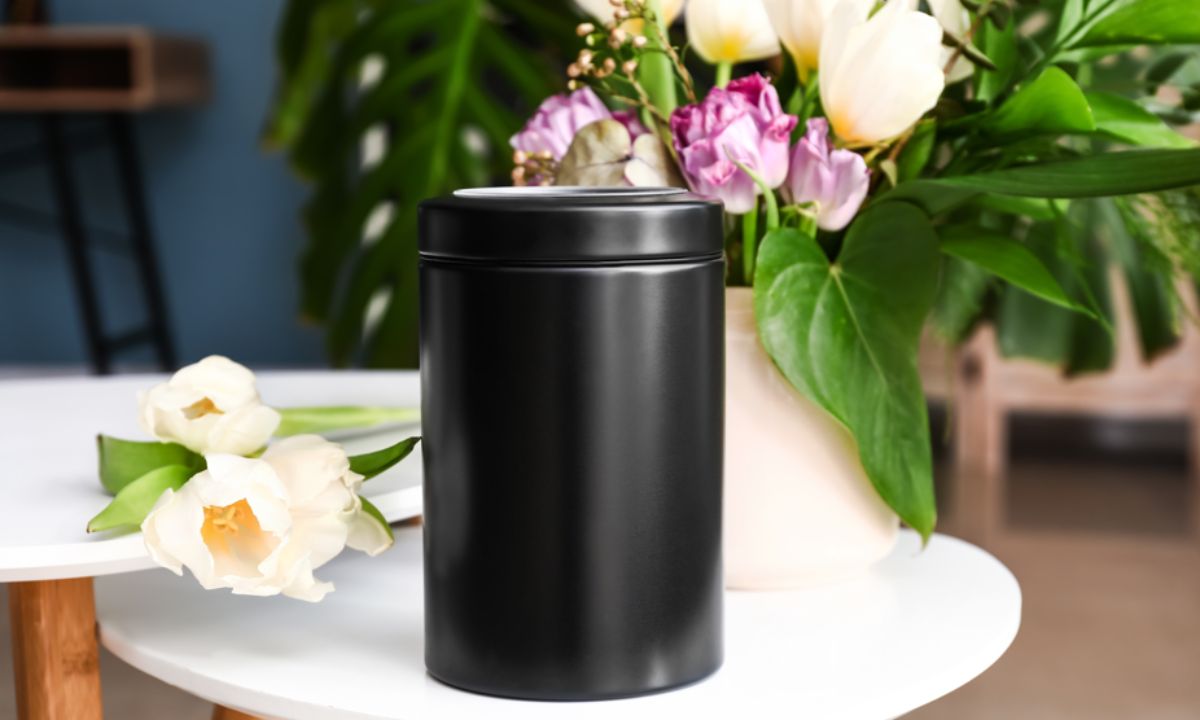
Cremation gives families something traditional burial rarely does: time. There is no rush to decide where a loved one will rest or how their memory will be celebrated. That freedom can feel overwhelming at first, but it also opens the door to tributes as unique as the person you lost. Here are some heartfelt, creative ways to keep their spirit close.
Give Their Memory a Living Home
Few tributes feel as hopeful as watching something grow. Many families choose a biodegradable urn designed to nourish a young tree as it takes root. Over the seasons, the tree becomes a living reminder that your loved one’s story continues. Others prefer a memorial garden, where flowers they adored bloom year after year. If you don’t have space at home, a community garden or a favorite park bench with a small plaque can serve as a quiet gathering spot.
Transform Ashes Into Something Beautiful
Modern artisans can incorporate a small portion of cremated remains into handcrafted keepsakes. Blown glass pieces, ceramic vessels, and pendants swirled with color all allow you to hold a tangible piece of your loved one in your hands. Some people choose jewelry they can wear daily, while others prefer a sculpture that sits on a shelf and catches the morning light. Because only a small amount is needed, several family members can each have their own keepsake, which is especially meaningful when siblings or grandchildren live far apart.
Return Them to a Place That Mattered
Some people leave behind a clear sense of where they felt most at home. Perhaps it was a mountain trail, a quiet lake, or the edge of the ocean at sunrise. Scattering ashes in a place that shaped their life can feel like a final homecoming. Before you plan a ceremony, check local regulations and any permissions required, since rules vary widely by location. You might also consider a water-soluble urn for a sea or lake tribute, which allows the remains to be released gently and respectfully.
Build a Ritual That Repeats
Grief often softens when it has a place to go. A yearly ritual gives your family a reason to gather and remember together. You might cook their signature dish on their birthday, light a candle every evening at the dinner table, or take a walk along their favorite route each autumn. These small, repeated moments become traditions that children and grandchildren grow up with, so the person they never met still feels like part of the family.
Let Their Passions Guide the Tribute
The most personal memorials often reflect what your loved one adored. A devoted gardener might be remembered with a donation of native plants to a local school. A lifelong musician could be honored with a playlist shared among friends, or a scholarship for a young player who can’t afford lessons. An avid reader might inspire a little free library on your street, stocked with their favorite books. When a tribute mirrors someone’s real interests, it says something no generic ceremony can.
Gather Stories, Not Just Ashes
Memories are as precious as any physical keepsake, and they fade more quickly than we expect. Consider creating a memory book where friends and coworkers contribute handwritten notes or photographs. You could also record short audio messages or videos in which people share funny, tender, or surprising stories. Years from now, these collections may become the most treasured part of your family’s archive, especially for younger relatives who want to know who their loved one really was.
Involve Children Gently
Young people grieve too, often in quieter ways than adults expect. Inviting them to help with a tribute can give them a healthy outlet. Children might paint stones to place in a garden, write letters to be tucked into a memory box, or help choose music for a gathering. Let them participate at their own pace, and answer their questions honestly. Being included helps them feel that their love and loss matter.
Honor Yourself in the Process
There is no correct timeline for choosing a tribute. Some families know exactly what they want within days, while others need many months, or even years, before an idea feels right. Storing the ashes safely at home while you decide is completely acceptable. Give yourself permission to change your mind, too. What feels comforting in early grief may look different as time passes, and that is a natural part of healing.
Finding What Feels Right
Every family’s path is different, and the best memorials grow out of love rather than obligation. Resources such as Beyond Cremations can help you learn about the range of options available, but the deciding voice should always be yours. Trust the small details that make you smile through tears, like the way they hummed while cooking or the jokes only your family understood.
Ultimately, honoring a loved one after cremation is not about finding the perfect gesture. It’s about choosing something that lets you feel connected, whether that’s a tree swaying in the wind, a glass pendant warm against your chest, or a story retold around a crowded table. However you decide to remember them, the love behind the choice is the truest tribute of all.

Heat pumps have quickly become the default upgrade for Nova Scotia homeowners moving away from oil and baseboard heat. While a growing market brings healthy competition, picking the right contractor is often harder than choosing the equipment itself. A rushed installation will cause even a premium unit to underperform, whereas a properly sized mid-tier system can run efficiently for over fifteen years. Because Nova Scotia winters are unforgiving, systems lacking true cold-climate ratings rely heavily on costly backup electric heat, erasing expected savings. Ultimately, the installer matters just as much as the brand, and two homeowners buying identical equipment will see completely different results depending on whether the crew ran a real heat load calculation and handled the electrical work correctly. To help navigate this process, here is an overview of six prominent contractors currently operating across the province.
1. Mada Construction
Mada Construction serves mainland Nova Scotia within a two-hour radius of Halifax, building its reputation on speed, clarity, and free in-home assessments that feature actual heat load calculations rather than square-footage guesses. The company stands out with an in-house financing program that takes up to $6,500 off invoices through stacked discounts without requiring separate government applications or wait times. Their structured four-step workflow handles everything from pre-inspections to cleanup, typically completing single-zone jobs in a single day and full projects within two weeks. Backed by a ten-year parts warranty, a workmanship guarantee, and robust WCB and licensing coverage, Mada is a strong choice for homeowners prioritizing rapid timelines and transparent, upfront pricing.
2. Atmosphere Climate Control Specialists Ltd
Atmosphere Climate Control Specialists Ltd is a family-run Halifax institution with over thirty years of experience handling both ducted and ductless setups. Technicians are factory-certified through Carrier and focus on walking clients through detailed equipment specs rather than relying on standard sales pitches. Their comprehensive maintenance programs and emergency repair services make them a reliable long-term partner, especially for complex ducted conversions in older Nova Scotia homes where decades of local experience prove invaluable.
3. GreenPump Energy
GreenPump Energy narrows its focus exclusively to residential heat pump installation, replacement, and maintenance, deploying Red Seal certified technicians who specialize entirely in this technology rather than splitting attention across general HVAC services. Homeowners frequently praise the company for taking the administrative friction out of provincial rebate paperwork, saving valuable time during the upgrade process.
4. Scotia Mechanical
Scotia Mechanical specializes in custom ducted and ductless configurations, positioning itself as a reliable partner for government rebates and premium equipment brands. The company excels at helping homeowners objectively weigh the pros and cons of full ducted conversions versus ductless retrofits without aggressively pushing one option. Their educational approach helps clients clearly understand proper cold-climate terminology before committing to a contract.
5. GFORCE Mechanical Inc
GFORCE Mechanical Inc has been operating since 2008 under the leadership of a Red Seal certified electrician who remains hands-on with installations rather than just managing crews. This direct technical oversight ensures that critical electrical panel capacity requirements are properly addressed without risky subcontracting, solving a common bottleneck in heat pump retrofits. It is an ideal fit for smaller households seeking a personal, detail-oriented relationship with their installer.
6. Quinn Energy
Quinn Energy is widely recognized across Nova Scotia for publishing transparent, research-backed homeowner guidance on system selection and cold-climate pricing. While they handle residential installations with a strong technical focus, their publicly available educational resources make them a valuable starting point for anyone in the early research phase of comparing heating alternatives.
How to Choose Between Them
Equipment brands matter less than marketing suggests, as the installer’s expertise ultimately determines how well a system performs. Before signing any contract for a heat pump installation in Nova Scotia, ask for the specific model’s rated heating capacity at $-15^\circ\text{C}$ rather than accepting a generic cold-climate claim. You should also ensure the quote is based on a true heat load calculation instead of a rough square-footage estimate, which prevents sizing errors that only become apparent months later. Additionally, confirm exact warranty coverage, total installation timelines, and whether the company handles its own long-term servicing rather than outsourcing it.
Price alone is a misleading filter, because the cheapest quote often cuts corners by undersizing systems, skipping load calculations, or installing standard units instead of true cold-climate equipment. These shortcuts usually reveal themselves during the first severe cold snap, turning initial savings into costly headaches for anyone investing in a Nova Scotia heat pump installation. Choosing a reliable local contractor with a documented process and a real warranty is always the safer choice for long-term comfort and efficiency..
Final Thoughts
All six of these companies install heat pumps across Nova Scotia, and homeowners have had good experiences with each. Where they differ is in how much support you get before, during, and after the install, how transparent the pricing is once the quote turns into an invoice, and how quickly they can actually get a crew to your door once you’ve decided to move forward. None of that shows up clearly until you’re a few conversations into the comparison process, which is exactly why it’s worth calling more than one company before committing.
If speed, upfront pricing, and a financing program that doesn’t depend on a government queue matter to you, Mada Construction is worth putting near the top of your list to call first.
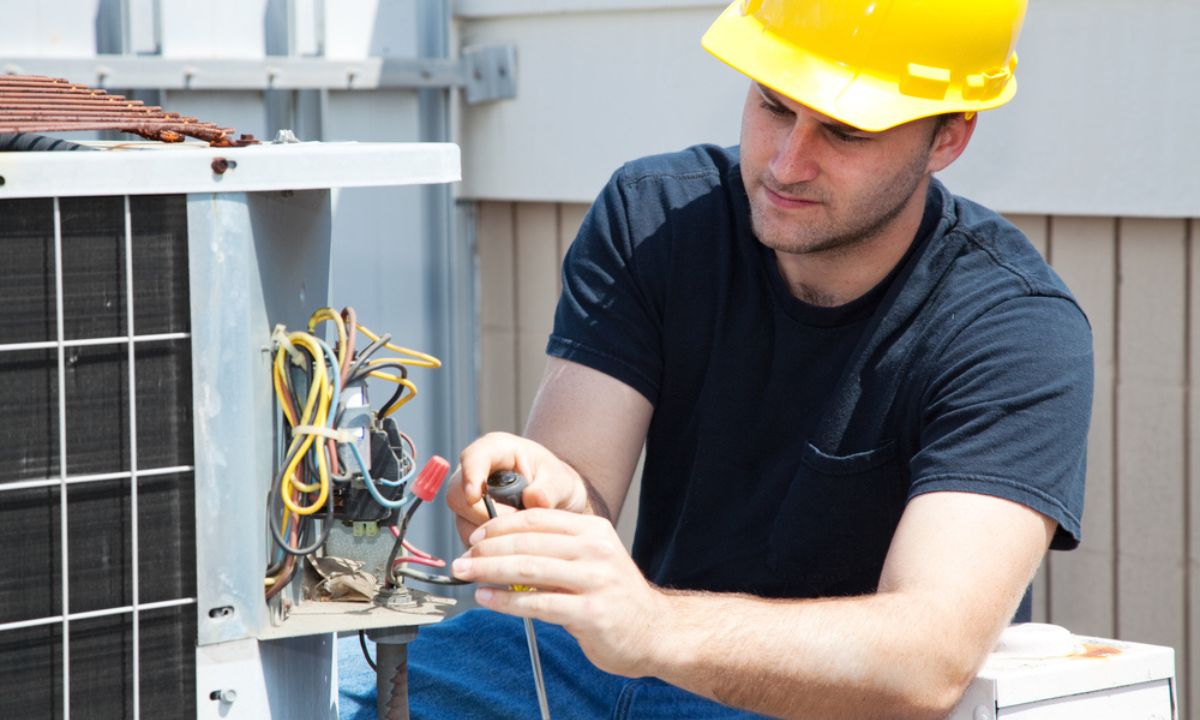
With rising energy prices, homeowners in Stratford, CT, are constantly looking for ways to enhance home comfort without inflating their utility bills. One solution that stands out is upgrading to energy efficient HVAC systems in Stratford, CT. Not only do these systems reduce energy consumption, but they also improve indoor air quality and overall home comfort.
As many are becoming aware, traditional heating and cooling systems can consume a significant amount of energy. In this article, we’ll explore how switching to energy efficient HVAC systems in Stratford, CT can lead to substantial savings while benefiting both the environment and your home’s comfort.
Why Choose Energy-Efficient HVAC Systems?
Energy-efficient HVAC systems are designed to use less energy while providing the same level of comfort. This makes them an attractive option for homeowners looking to save on utility bills.
Benefits of Energy-Efficient HVAC Systems
- Lower Utility Bills: These systems consume less energy, leading to lower monthly bills.
- Improved Comfort: With better temperature regulation and air distribution, energy-efficient HVAC systems enhance comfort levels year-round.
- Environmentally Friendly: Reduced energy usage means a smaller carbon footprint, making these systems an eco-friendly choice for homeowners who want to reduce their environmental impact.
- Increased Property Value: Homes with energy-efficient systems often see an increase in value due to their cost-saving potential and environmental appeal.
Key Features of Energy-Efficient HVAC Systems
Energy-efficient HVAC systems incorporate advanced technology that helps reduce their energy consumption. Some of the most notable features include:
- Smart Thermostats: These thermostats can be programmed to adjust the temperature according to your schedule, ensuring that energy isn’t wasted when you’re not home.
- Variable-Speed Motors: Unlike traditional HVAC systems, these motors adjust to the demand for heating or cooling, providing optimal efficiency without overworking the system.
- Zoning Systems: By dividing your home into zones, you can control the temperature in different areas, which can prevent unnecessary heating or cooling in unused spaces.
- High-Efficiency Filters: Energy-efficient HVAC systems often include better air filters that not only improve air quality but also contribute to system efficiency.
The Environmental Impact of Energy-Efficient HVAC
Switching to energy-efficient HVAC systems doesn’t just help save money—it can also reduce your carbon footprint. By using less energy, these systems reduce the need for fossil fuels, which in turn minimizes air pollution.
As an added benefit, many energy-efficient models use refrigerants that are less harmful to the ozone layer, contributing to a more sustainable future.
Common HVAC Problems and How Energy-Efficient Systems Solve Them
Traditional HVAC systems often experience problems that contribute to higher energy usage, including poor air quality, frequent breakdowns, and inefficiency.
Energy-efficient HVAC systems can help solve these problems in the following ways:
- Improved Air Quality: Energy-efficient systems often come with upgraded filters that capture dust, pollen, and other allergens.
- Fewer Breakdowns: The advanced technology in energy-efficient models makes them more reliable and less likely to break down compared to older systems.
- Better Temperature Control: These systems provide more consistent temperatures throughout your home, ensuring that every room stays comfortable.
Finding the Right HVAC System for Your Stratford Home
Choosing the best energy-efficient HVAC system for your home requires understanding your needs. Homeowners should consider:
- Home Size: Larger homes may require more powerful units, while smaller homes could benefit from a more compact system.
- Climate Considerations: Stratford experiences cold winters and warm summers, so a system that efficiently handles both heating and cooling is essential.
- Budget: While energy-efficient systems can be more expensive upfront, they save money over time through reduced energy bills.
The Cost Savings Over Time
Although energy-efficient HVAC systems may require a higher initial investment, the long-term savings can make them well worth it. Homeowners can expect:
- Lower Energy Bills: These systems use up to 50% less energy than traditional systems.
- Less Frequent Repairs: With their advanced technology, these systems require fewer repairs, which reduces overall maintenance costs.
- Tax Incentives and Rebates: Many utility companies and government programs offer rebates or tax credits for installing energy-efficient systems, further reducing the cost.
Conclusion
Investing in energy-efficient HVAC systems in Stratford, CT is a smart choice for homeowners looking to improve their comfort and save on utility bills. These systems not only reduce energy consumption and costs but also contribute to a healthier environment.
If you’re ready to make the switch, consult with an HVAC professional to find the best energy-efficient HVAC system for your home. Enjoy the long-term benefits of reduced bills and improved comfort by choosing a more sustainable solution for your heating and cooling needs.
READ ALSO: Troubleshooting Common Issues with HVAC Drainage
-

 Education2 years ago
Mastering Excel: Your Comprehensive Guide To Spreadsheets And Data Analysis
-

 Tech2 years ago
How To Choose The Best Forex Trading Broker?
-

 Business2 years ago
Exploring the Rental Market: Properties for Rent in Malta
-

 Blog2 years ago
Arab MMA Fighters Shine Bright: Meet the Champions of PFL MENA
-

 Tech2 years ago
The Role Of Experts VS Top Mobile Apps for Green Screen Removal
-

 Travel2 years ago
Experience the Best Desert Safari Dubai Offers!
-

 Home Improvement2 years ago
Eco-Friendly Round Rug Options for Sustainable Living in NZ
-

 How-To Guides2 years ago
Comprehensive Guide to Cockwarming: Enhancing Intimacy and Connection