
Home Improvement
DIY vs. Professional: Which Option Is Best for Aluminum Siding Repair?

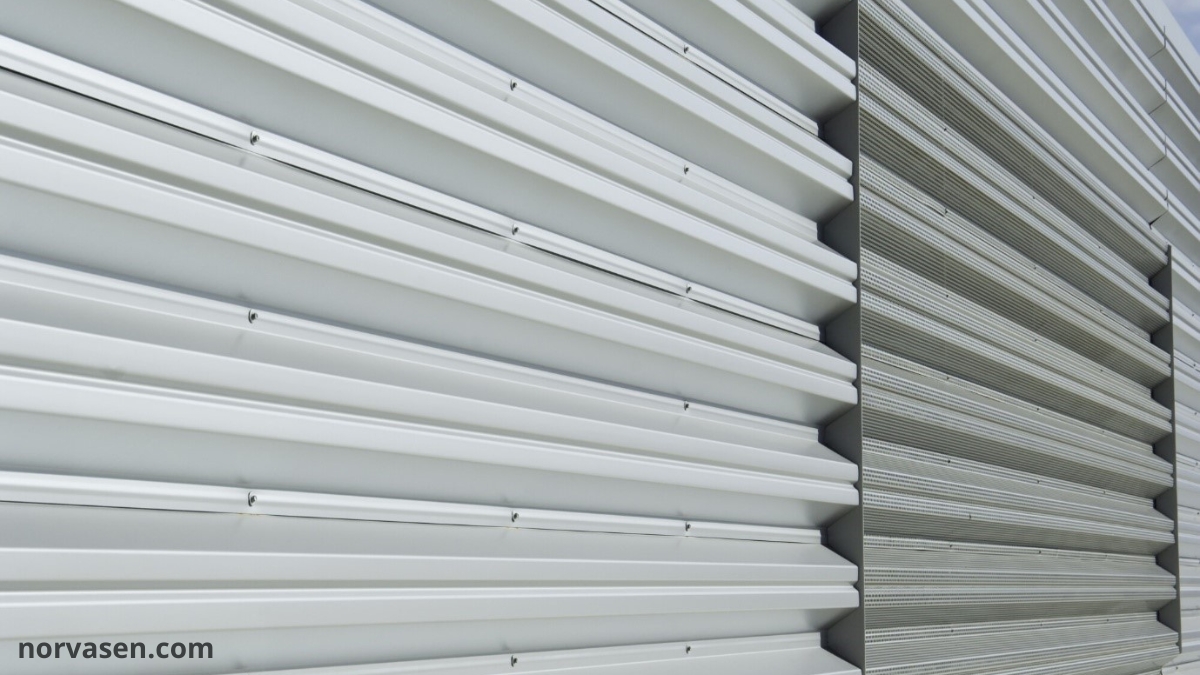
You’ve heard this before — “Going the DIY route is cheaper than hiring a professional.” Maybe it was your parents or a friend who said it, regardless, you know it’s true.
Except, that’s not quite right regarding aluminum siding repair. There are pros and cons to DIY siding repair. But you’ve got to have experience with aluminum siding restoration — or at least DIY experience.
What are the advantages and disadvantages of do-it-yourself siding renovation? Read on and we’ll discuss whether you’re better off handling your home exterior repair or hiring professional siding repair.
Pro: DIY Aluminum Siding Repair Can Be Cheaper
As mentioned, the DIY route can be cheaper if you’ve got experience or are at least good at following instructions. It helps that people with DIY skills often have tools lying around their homes.
If not, buying the proper tools and siding is still cheaper than paying labor costs. You can expect to pay over seven grand for professional siding repair.
You can click here for a more extensive breakdown. But here’s a simplified version of what you’re paying for:
- Material costs are $5,089
- Labor costs are 45 cents per square foot
- Labor is $36 per hour.
The $7,000+ amount comes from an assumption that you’re removing old siding from a 1,500-square-foot home. It takes 52 hours of labor to install the new aluminum siding.
Here’s the equation: 1,500 x .45 = 675, this is for the labor costs. 52 x 36 = $1,872 is for work time. Add that to $5,089 and you get $7,639. Doing the work yourself can reduce costs by over two thousand dollars.
Con: DIY Siding Repair Can Be Costly
DIY aluminum siding restoration and installation is cheaper without professional help, but it’s still not inexpensive. It’s even more costly if you get it wrong.
Engaging in DIY home repair without experience or skill gets expensive because someone has to fix your mistakes. House siding installation should be handled by people like Vail-Wise, who can do the work.
Vail-Wise handles siding installations and repairs at competitive prices. You’ll have to pay a couple extra thousands, but the work will be done right the first time.
Con: DIY Work Takes Time and Effort
All siding repair options take time. You have to find a good, reputable company to take care of aluminum siding repair. But even if you’re good at DIY work, home exterior repair will take even more time and effort.
Many people’s schedules are too packed to handle siding maintenance. Considering the average installation or repair job can take over two days. Two days is a lot of time to dedicate to one home improvement task.
How Will You Handle Aluminum Siding Repair?
Admittedly, DIY aluminum siding repair has more disadvantages than pros. It can be cheap, but only if you know what you’re doing. Otherwise, it can be more costly and time-consuming either way. But siding maintenance isn’t the only thing we’ve got to talk about. There are various other home improvement-related topics to choose from. Take your time and browse through what our website has to offer.


Cremation gives families something traditional burial rarely does: time. There is no rush to decide where a loved one will rest or how their memory will be celebrated. That freedom can feel overwhelming at first, but it also opens the door to tributes as unique as the person you lost. Here are some heartfelt, creative ways to keep their spirit close.
Give Their Memory a Living Home
Few tributes feel as hopeful as watching something grow. Many families choose a biodegradable urn designed to nourish a young tree as it takes root. Over the seasons, the tree becomes a living reminder that your loved one’s story continues. Others prefer a memorial garden, where flowers they adored bloom year after year. If you don’t have space at home, a community garden or a favorite park bench with a small plaque can serve as a quiet gathering spot.
Transform Ashes Into Something Beautiful
Modern artisans can incorporate a small portion of cremated remains into handcrafted keepsakes. Blown glass pieces, ceramic vessels, and pendants swirled with color all allow you to hold a tangible piece of your loved one in your hands. Some people choose jewelry they can wear daily, while others prefer a sculpture that sits on a shelf and catches the morning light. Because only a small amount is needed, several family members can each have their own keepsake, which is especially meaningful when siblings or grandchildren live far apart.
Return Them to a Place That Mattered
Some people leave behind a clear sense of where they felt most at home. Perhaps it was a mountain trail, a quiet lake, or the edge of the ocean at sunrise. Scattering ashes in a place that shaped their life can feel like a final homecoming. Before you plan a ceremony, check local regulations and any permissions required, since rules vary widely by location. You might also consider a water-soluble urn for a sea or lake tribute, which allows the remains to be released gently and respectfully.
Build a Ritual That Repeats
Grief often softens when it has a place to go. A yearly ritual gives your family a reason to gather and remember together. You might cook their signature dish on their birthday, light a candle every evening at the dinner table, or take a walk along their favorite route each autumn. These small, repeated moments become traditions that children and grandchildren grow up with, so the person they never met still feels like part of the family.
Let Their Passions Guide the Tribute
The most personal memorials often reflect what your loved one adored. A devoted gardener might be remembered with a donation of native plants to a local school. A lifelong musician could be honored with a playlist shared among friends, or a scholarship for a young player who can’t afford lessons. An avid reader might inspire a little free library on your street, stocked with their favorite books. When a tribute mirrors someone’s real interests, it says something no generic ceremony can.
Gather Stories, Not Just Ashes
Memories are as precious as any physical keepsake, and they fade more quickly than we expect. Consider creating a memory book where friends and coworkers contribute handwritten notes or photographs. You could also record short audio messages or videos in which people share funny, tender, or surprising stories. Years from now, these collections may become the most treasured part of your family’s archive, especially for younger relatives who want to know who their loved one really was.
Involve Children Gently
Young people grieve too, often in quieter ways than adults expect. Inviting them to help with a tribute can give them a healthy outlet. Children might paint stones to place in a garden, write letters to be tucked into a memory box, or help choose music for a gathering. Let them participate at their own pace, and answer their questions honestly. Being included helps them feel that their love and loss matter.
Honor Yourself in the Process
There is no correct timeline for choosing a tribute. Some families know exactly what they want within days, while others need many months, or even years, before an idea feels right. Storing the ashes safely at home while you decide is completely acceptable. Give yourself permission to change your mind, too. What feels comforting in early grief may look different as time passes, and that is a natural part of healing.
Finding What Feels Right
Every family’s path is different, and the best memorials grow out of love rather than obligation. Resources such as Beyond Cremations can help you learn about the range of options available, but the deciding voice should always be yours. Trust the small details that make you smile through tears, like the way they hummed while cooking or the jokes only your family understood.
Ultimately, honoring a loved one after cremation is not about finding the perfect gesture. It’s about choosing something that lets you feel connected, whether that’s a tree swaying in the wind, a glass pendant warm against your chest, or a story retold around a crowded table. However you decide to remember them, the love behind the choice is the truest tribute of all.
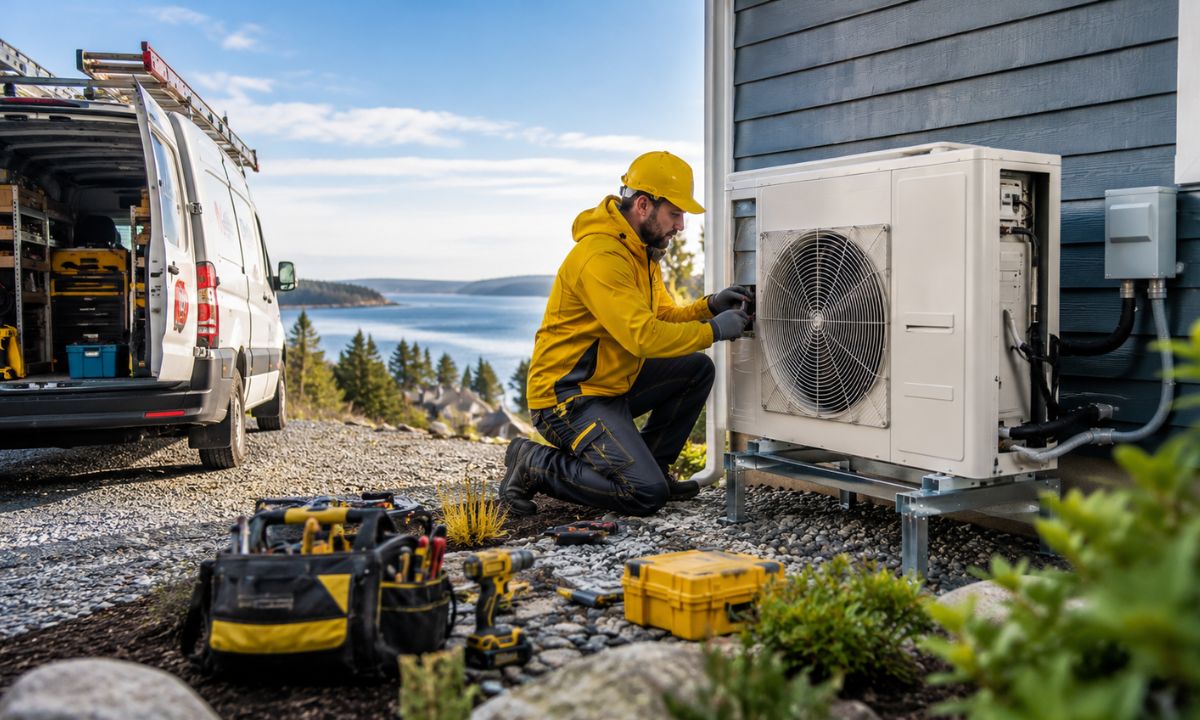
Heat pumps have quickly become the default upgrade for Nova Scotia homeowners moving away from oil and baseboard heat. While a growing market brings healthy competition, picking the right contractor is often harder than choosing the equipment itself. A rushed installation will cause even a premium unit to underperform, whereas a properly sized mid-tier system can run efficiently for over fifteen years. Because Nova Scotia winters are unforgiving, systems lacking true cold-climate ratings rely heavily on costly backup electric heat, erasing expected savings. Ultimately, the installer matters just as much as the brand, and two homeowners buying identical equipment will see completely different results depending on whether the crew ran a real heat load calculation and handled the electrical work correctly. To help navigate this process, here is an overview of six prominent contractors currently operating across the province.
1. Mada Construction
Mada Construction serves mainland Nova Scotia within a two-hour radius of Halifax, building its reputation on speed, clarity, and free in-home assessments that feature actual heat load calculations rather than square-footage guesses. The company stands out with an in-house financing program that takes up to $6,500 off invoices through stacked discounts without requiring separate government applications or wait times. Their structured four-step workflow handles everything from pre-inspections to cleanup, typically completing single-zone jobs in a single day and full projects within two weeks. Backed by a ten-year parts warranty, a workmanship guarantee, and robust WCB and licensing coverage, Mada is a strong choice for homeowners prioritizing rapid timelines and transparent, upfront pricing.
2. Atmosphere Climate Control Specialists Ltd
Atmosphere Climate Control Specialists Ltd is a family-run Halifax institution with over thirty years of experience handling both ducted and ductless setups. Technicians are factory-certified through Carrier and focus on walking clients through detailed equipment specs rather than relying on standard sales pitches. Their comprehensive maintenance programs and emergency repair services make them a reliable long-term partner, especially for complex ducted conversions in older Nova Scotia homes where decades of local experience prove invaluable.
3. GreenPump Energy
GreenPump Energy narrows its focus exclusively to residential heat pump installation, replacement, and maintenance, deploying Red Seal certified technicians who specialize entirely in this technology rather than splitting attention across general HVAC services. Homeowners frequently praise the company for taking the administrative friction out of provincial rebate paperwork, saving valuable time during the upgrade process.
4. Scotia Mechanical
Scotia Mechanical specializes in custom ducted and ductless configurations, positioning itself as a reliable partner for government rebates and premium equipment brands. The company excels at helping homeowners objectively weigh the pros and cons of full ducted conversions versus ductless retrofits without aggressively pushing one option. Their educational approach helps clients clearly understand proper cold-climate terminology before committing to a contract.
5. GFORCE Mechanical Inc
GFORCE Mechanical Inc has been operating since 2008 under the leadership of a Red Seal certified electrician who remains hands-on with installations rather than just managing crews. This direct technical oversight ensures that critical electrical panel capacity requirements are properly addressed without risky subcontracting, solving a common bottleneck in heat pump retrofits. It is an ideal fit for smaller households seeking a personal, detail-oriented relationship with their installer.
6. Quinn Energy
Quinn Energy is widely recognized across Nova Scotia for publishing transparent, research-backed homeowner guidance on system selection and cold-climate pricing. While they handle residential installations with a strong technical focus, their publicly available educational resources make them a valuable starting point for anyone in the early research phase of comparing heating alternatives.
How to Choose Between Them
Equipment brands matter less than marketing suggests, as the installer’s expertise ultimately determines how well a system performs. Before signing any contract for a heat pump installation in Nova Scotia, ask for the specific model’s rated heating capacity at $-15^\circ\text{C}$ rather than accepting a generic cold-climate claim. You should also ensure the quote is based on a true heat load calculation instead of a rough square-footage estimate, which prevents sizing errors that only become apparent months later. Additionally, confirm exact warranty coverage, total installation timelines, and whether the company handles its own long-term servicing rather than outsourcing it.
Price alone is a misleading filter, because the cheapest quote often cuts corners by undersizing systems, skipping load calculations, or installing standard units instead of true cold-climate equipment. These shortcuts usually reveal themselves during the first severe cold snap, turning initial savings into costly headaches for anyone investing in a Nova Scotia heat pump installation. Choosing a reliable local contractor with a documented process and a real warranty is always the safer choice for long-term comfort and efficiency..
Final Thoughts
All six of these companies install heat pumps across Nova Scotia, and homeowners have had good experiences with each. Where they differ is in how much support you get before, during, and after the install, how transparent the pricing is once the quote turns into an invoice, and how quickly they can actually get a crew to your door once you’ve decided to move forward. None of that shows up clearly until you’re a few conversations into the comparison process, which is exactly why it’s worth calling more than one company before committing.
If speed, upfront pricing, and a financing program that doesn’t depend on a government queue matter to you, Mada Construction is worth putting near the top of your list to call first.
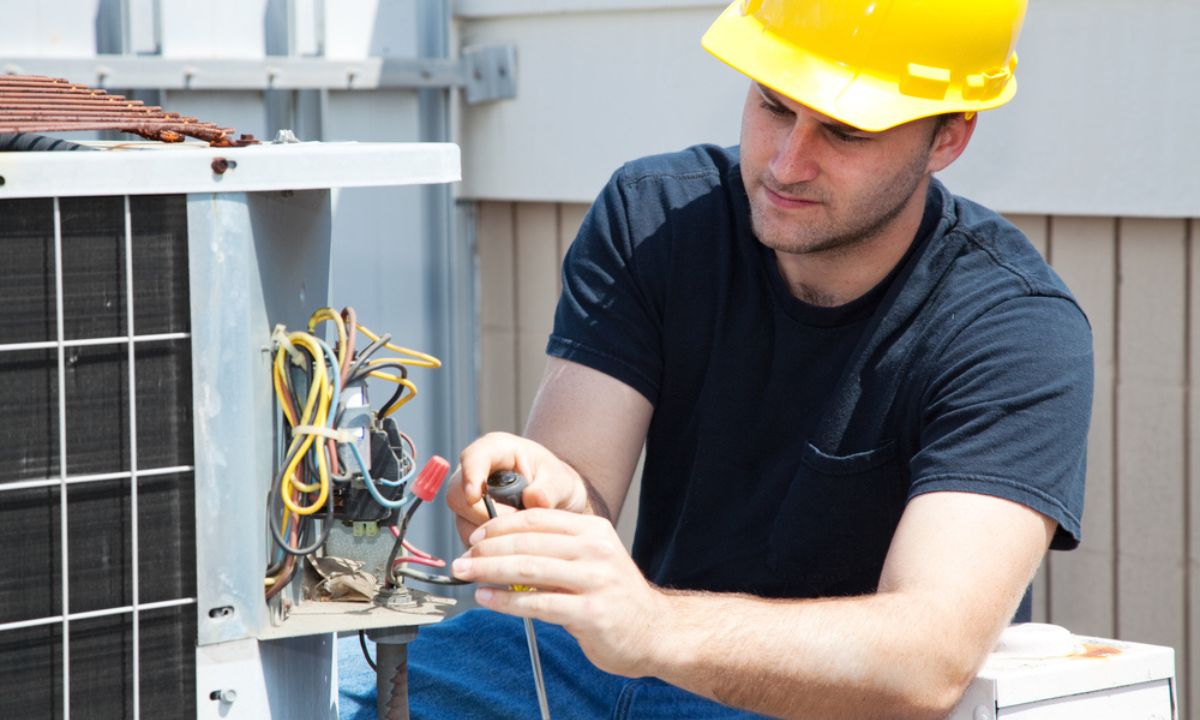
With rising energy prices, homeowners in Stratford, CT, are constantly looking for ways to enhance home comfort without inflating their utility bills. One solution that stands out is upgrading to energy efficient HVAC systems in Stratford, CT. Not only do these systems reduce energy consumption, but they also improve indoor air quality and overall home comfort.
As many are becoming aware, traditional heating and cooling systems can consume a significant amount of energy. In this article, we’ll explore how switching to energy efficient HVAC systems in Stratford, CT can lead to substantial savings while benefiting both the environment and your home’s comfort.
Why Choose Energy-Efficient HVAC Systems?
Energy-efficient HVAC systems are designed to use less energy while providing the same level of comfort. This makes them an attractive option for homeowners looking to save on utility bills.
Benefits of Energy-Efficient HVAC Systems
- Lower Utility Bills: These systems consume less energy, leading to lower monthly bills.
- Improved Comfort: With better temperature regulation and air distribution, energy-efficient HVAC systems enhance comfort levels year-round.
- Environmentally Friendly: Reduced energy usage means a smaller carbon footprint, making these systems an eco-friendly choice for homeowners who want to reduce their environmental impact.
- Increased Property Value: Homes with energy-efficient systems often see an increase in value due to their cost-saving potential and environmental appeal.
Key Features of Energy-Efficient HVAC Systems
Energy-efficient HVAC systems incorporate advanced technology that helps reduce their energy consumption. Some of the most notable features include:
- Smart Thermostats: These thermostats can be programmed to adjust the temperature according to your schedule, ensuring that energy isn’t wasted when you’re not home.
- Variable-Speed Motors: Unlike traditional HVAC systems, these motors adjust to the demand for heating or cooling, providing optimal efficiency without overworking the system.
- Zoning Systems: By dividing your home into zones, you can control the temperature in different areas, which can prevent unnecessary heating or cooling in unused spaces.
- High-Efficiency Filters: Energy-efficient HVAC systems often include better air filters that not only improve air quality but also contribute to system efficiency.
The Environmental Impact of Energy-Efficient HVAC
Switching to energy-efficient HVAC systems doesn’t just help save money—it can also reduce your carbon footprint. By using less energy, these systems reduce the need for fossil fuels, which in turn minimizes air pollution.
As an added benefit, many energy-efficient models use refrigerants that are less harmful to the ozone layer, contributing to a more sustainable future.
Common HVAC Problems and How Energy-Efficient Systems Solve Them
Traditional HVAC systems often experience problems that contribute to higher energy usage, including poor air quality, frequent breakdowns, and inefficiency.
Energy-efficient HVAC systems can help solve these problems in the following ways:
- Improved Air Quality: Energy-efficient systems often come with upgraded filters that capture dust, pollen, and other allergens.
- Fewer Breakdowns: The advanced technology in energy-efficient models makes them more reliable and less likely to break down compared to older systems.
- Better Temperature Control: These systems provide more consistent temperatures throughout your home, ensuring that every room stays comfortable.
Finding the Right HVAC System for Your Stratford Home
Choosing the best energy-efficient HVAC system for your home requires understanding your needs. Homeowners should consider:
- Home Size: Larger homes may require more powerful units, while smaller homes could benefit from a more compact system.
- Climate Considerations: Stratford experiences cold winters and warm summers, so a system that efficiently handles both heating and cooling is essential.
- Budget: While energy-efficient systems can be more expensive upfront, they save money over time through reduced energy bills.
The Cost Savings Over Time
Although energy-efficient HVAC systems may require a higher initial investment, the long-term savings can make them well worth it. Homeowners can expect:
- Lower Energy Bills: These systems use up to 50% less energy than traditional systems.
- Less Frequent Repairs: With their advanced technology, these systems require fewer repairs, which reduces overall maintenance costs.
- Tax Incentives and Rebates: Many utility companies and government programs offer rebates or tax credits for installing energy-efficient systems, further reducing the cost.
Conclusion
Investing in energy-efficient HVAC systems in Stratford, CT is a smart choice for homeowners looking to improve their comfort and save on utility bills. These systems not only reduce energy consumption and costs but also contribute to a healthier environment.
If you’re ready to make the switch, consult with an HVAC professional to find the best energy-efficient HVAC system for your home. Enjoy the long-term benefits of reduced bills and improved comfort by choosing a more sustainable solution for your heating and cooling needs.
READ ALSO: Troubleshooting Common Issues with HVAC Drainage
-

 Education2 years ago
Mastering Excel: Your Comprehensive Guide To Spreadsheets And Data Analysis
-

 Tech2 years ago
How To Choose The Best Forex Trading Broker?
-

 Business2 years ago
Exploring the Rental Market: Properties for Rent in Malta
-

 Blog2 years ago
Arab MMA Fighters Shine Bright: Meet the Champions of PFL MENA
-

 Tech2 years ago
The Role Of Experts VS Top Mobile Apps for Green Screen Removal
-

 Travel2 years ago
Experience the Best Desert Safari Dubai Offers!
-

 Home Improvement2 years ago
Eco-Friendly Round Rug Options for Sustainable Living in NZ
-

 How-To Guides2 years ago
Comprehensive Guide to Cockwarming: Enhancing Intimacy and Connection