
Tech
A Closer Look at the WRX VB with Wing Power and Innovation


Introduction
The 2024 WRX VB with wing is here to shake up the world of performance cars. With its Symmetrical All-Wheel Drive, a turbocharged SUBARU BOXER® engine, and track-tuned suspension, this car is designed for those who crave excitement behind the wheel. Equipped with EyeSight® Driver Assist Technology and a high-resolution 11.6-inch touchscreen, it seamlessly blends safety with modern tech. In this article, we will explore the standout features of the WRX VB with wing, its cutting-edge technology, and what makes it a leader among performance cars.
Symmetrical All-Wheel Drive for Enhanced Performance
The WRX VB with wing boasts Subaru’s iconic Symmetrical All-Wheel Drive, offering a balanced and stable driving experience. This system is designed to provide optimal power distribution, ensuring superior grip on any road surface. By maintaining power to all four wheels, the WRX VB delivers exceptional traction and control, even in challenging conditions.
Car enthusiasts will appreciate how this feature enhances the vehicle’s handling, making it a joy to drive whether you’re navigating city streets or winding country roads. The system also contributes to the car’s impressive cornering capabilities, allowing drivers to take turns with confidence and precision.
In addition, the Symmetrical All-Wheel Drive works harmoniously with other components of the vehicle, such as the suspension and engine, to optimize performance. This synergy results in a driving experience that is both exhilarating and secure, making the WRX VB with wing a top choice for those seeking a dynamic ride.
The Turbocharged SUBARU BOXER® Engine
At the heart of the WRX VB with wing is the powerful turbocharged SUBARU BOXER® engine, a hallmark of Subaru’s performance lineage. This engine design lowers the vehicle’s center of gravity, enhancing stability and responsiveness. The direct fuel injection system further boosts performance by delivering precise amounts of fuel to the engine, maximizing efficiency and power output.
This engine is engineered to provide thrilling acceleration and robust torque, ensuring that drivers experience the full potential of the WRX VB’s capabilities. Whether you’re accelerating on a highway or maneuvering through traffic, the engine’s responsiveness provides a satisfying driving experience.
Additionally, the SUBARU BOXER® engine’s unique configuration allows for a more compact drivetrain, resulting in a balanced weight distribution. This balance contributes to the vehicle’s agility and performance, making the WRX VB with wing a standout in its class.
Track-Tuned Suspension for Improved Handling
The WRX VB with wing features a track-tuned suspension system designed to enhance handling and stability. This system utilizes high-performance components to provide a smoother ride and better control, whether you’re on a track or navigating everyday roads.
The suspension system’s agility is key to its performance, allowing the vehicle to react swiftly to the driver’s inputs. This responsiveness is especially noticeable during spirited driving, where the WRX VB with wing excels in providing an engaging and controlled ride.
Additionally, the suspension’s design ensures that the vehicle maintains contact with the road, enhancing grip and reducing body roll. This stability is crucial for delivering a confidence-inspiring driving experience, making the WRX VB with wing a favorite among performance car enthusiasts.
EyeSight® Driver Assist Technology for Safety
Safety is paramount in the design of the WRX VB with wing, with Subaru’s EyeSight® Driver Assist Technology playing a central role. This advanced system uses cameras and sensors to monitor traffic and road conditions, offering features such as adaptive cruise control, pre-collision braking, and lane departure warning.
These features work together to provide an extra layer of protection, helping to prevent accidents and enhance driver awareness. By alerting drivers to potential hazards and assisting in maintaining safe distances, the EyeSight® system contributes to a safer driving experience.
Furthermore, the integration of this technology into the WRX VB with wing underscores Subaru’s commitment to safety, ensuring that drivers and passengers are protected on every journey. The peace of mind provided by EyeSight® makes the WRX VB with wing not just a performance powerhouse, but also a smart choice for safety-conscious drivers.
High-Resolution 11.6-Inch Touchscreen for Connectivity
The WRX VB with wing’s interior is as technologically advanced as its performance, featuring a high-resolution 11.6-inch touchscreen. This central hub for infotainment and connectivity is designed to keep drivers connected and informed while minimizing distractions.
The touchscreen interface is user-friendly, offering intuitive controls for navigation, audio, and vehicle settings. Its large display ensures that information is easily accessible, allowing drivers to focus on the road ahead.
In addition to its practicality, the touchscreen enhances the overall driving experience by providing access to a wealth of entertainment options. Whether you’re streaming music or accessing real-time traffic updates, the WRX VB’s infotainment system ensures that every drive is both enjoyable and efficient.
Technological Advancements in the 2024 WRX
The 2024 WRX VB with wing is a testament to Subaru’s dedication to innovation, integrating cutting-edge technology to enhance the driving and ownership experience. From its advanced safety features to its state-of-the-art infotainment system, every aspect of the vehicle is designed with the modern driver in mind.
These technological advancements not only improve the vehicle’s performance but also contribute to its longevity and reliability. By investing in the latest technology, Subaru ensures that the WRX VB with wing remains at the forefront of automotive innovation, setting new standards for performance cars.
For tech-savvy drivers, the WRX VB with wing represents an exciting blend of power, safety, and connectivity, making it a compelling choice for those seeking a vehicle that meets their high expectations.
YOU MAY ALSO LIKE
Buying a Car at an Online Auction? Here’s What You Need to Know
Conclusion
In conclusion, the 2024 WRX VB with wing is a remarkable vehicle that combines performance, technology, and safety in an exciting package. Its Symmetrical All-Wheel Drive, turbocharged SUBARU BOXER® engine, and track-tuned suspension deliver a driving experience that is both thrilling and secure. With features like EyeSight® Driver Assist Technology and a high-resolution 11.6-inch touchscreen, the WRX VB with wing stands out as a leader in its class. For car enthusiasts, performance car buyers, and tech-savvy drivers, the WRX VB with wing offers an unbeatable combination of innovation and exhilaration. Explore the world of Subaru’s latest masterpiece and experience the future of driving today.
Frequently Asked Questions
- What is unique about the WRX VB with wing’s engine?
The WRX VB with wing features a turbocharged SUBARU BOXER® engine that delivers powerful performance and a low center of gravity for enhanced stability.
- How does the Symmetrical All-Wheel Drive benefit drivers?
The Symmetrical All-Wheel Drive provides superior traction and control, ensuring balanced power distribution and exceptional handling on various road conditions.
- What safety features does EyeSight® Driver Assist Technology offer?
EyeSight® provides adaptive cruise control, pre-collision braking, and lane departure warnings, enhancing safety and driver awareness.
- What can I do with the 11.6-inch touchscreen in the WRX VB with wing?
The touchscreen offers easy access to navigation, audio, and vehicle settings, keeping drivers connected and informed with minimal distractions.
- Why is the WRX VB with wing ideal for tech-savvy drivers?
It combines advanced safety systems, a user-friendly infotainment interface, and cutting-edge performance technology, meeting the high expectations of tech-savvy drivers.


Most folks still picture AI as that clever chatbot spitting out emails or generating images on demand. But something bigger has quietly taken root this year. Imagine handing off an entire project, not just a single prompt, and watching the system break it down, hunt for data, make decisions, loop back when things go sideways, and actually finish the job. That’s Agentic AI in action, and it’s reshaping how we work in ways generative tools never could.
You might not have noticed the pivot yet, but 2026 feels like the year the conversation flipped. Enterprises aren’t just experimenting anymore; they’re deploying agents that own outcomes. And if you’re a leader, developer, or even a curious professional trying to stay ahead, understanding this shift isn’t optional. It’s table stakes.
Table of Contents
- What Exactly Is Agentic AI?
- The Shift from Generative AI: Why It Matters Now
- How Autonomous Agents Really Work
- Real-World Examples Making Waves in 2026
- Popular Frameworks Powering Agentic Systems
- Pros and Cons: A Balanced Look
- Challenges You’ll Face (and How to Tackle Them)
- FAQ
- Final Thoughts: Where Agentic AI Heads Next
What Exactly Is Agentic AI?
Let’s cut through the hype. Agentic AI refers to systems designed to pursue complex goals autonomously, with minimal human babysitting. These aren’t just smarter chatbots. They perceive their environment, reason through problems, select tools, take actions, observe results, and adjust on the fly.
Think of it this way: generative AI is like a talented artist who waits for your description before painting a picture. Agentic AI is the entire studio crew that plans the composition, gathers references, paints, frames the piece, and even ships it to the client if needed. It has agency, that sense of initiative and accountability for getting things done.
At its core, an agentic system operates in loops. It decomposes a high-level goal into subtasks, calls on external tools (databases, APIs, browsers, you name it), and keeps iterating until the objective is met or it hits a guardrail. No endless back-and-forth prompts required.
The Shift from Generative AI: Why It Matters Now
Here’s something that surprises a lot of people. Generative AI exploded onto the scene and delivered incredible creative output, but many companies reported little to no bottom-line impact. Why? Because it still needed humans to steer every step, review every draft, and connect the dots.
Agentic AI flips the script. It’s proactive rather than reactive. You give it a goal, like “optimize our quarterly marketing spend across channels,” and it doesn’t just draft a report. It pulls live data from analytics platforms, runs simulations, flags underperforming campaigns, reallocates budget in real time, and even drafts the stakeholder update. All while staying within your approved policies.
The transition isn’t overnight, of course. We’re still in the messy middle. But 2026 marks a clear inflection point. Multi-agent orchestration, where specialized agents team up like a digital squad, is becoming the enterprise standard. Single agents handle narrow jobs; swarms tackle end-to-end workflows.
Honestly, this isn’t talked about enough: the real value isn’t in replacing people but in freeing them for higher-order thinking. Generative tools augmented creativity. Agentic systems are augmenting execution.
How Autonomous Agents Really Work
You might be wondering what actually happens under the hood. It boils down to a few interlocking pieces that create that magic “think-act-observe” cycle.
First comes reasoning and planning. Agents use techniques like ReAct (reason plus act) to break big goals into logical steps. They don’t guess blindly; they evaluate options, predict outcomes, and sequence tasks. Some even employ multi-step reasoning that looks a lot like how you or I tackle a tough project: research, draft, test, refine.
Tool use is the real differentiator. Unlike pure language models stuck inside their training data, agents can reach out. Need current stock prices? Call an API. Need to scrape competitor sites? Fire up the browser tool. Need to update a CRM record? Integrate directly. This tool-calling capability turns static intelligence into dynamic action.
Memory matters too. Short-term memory keeps track of the current conversation or workflow. Long-term memory stores lessons from past runs so the agent gets smarter over time. And in multi-agent setups, agents share context, hand off subtasks, and even debate solutions before converging on the best path.
The loop repeats: plan, act, observe feedback, replan if necessary. It’s iterative, resilient, and surprisingly human-like in its adaptability.
Real-World Examples Making Waves in 2026
Theory is fine, but let’s talk results. Companies aren’t waiting around.
In customer support, agents now handle entire ticket lifecycles. One system might classify an issue, pull customer history, check inventory or billing systems, propose solutions, and follow up if the customer doesn’t respond, all without escalating to a human until truly needed.
Finance teams use them for fraud detection that evolves in real time. JPMorgan-style platforms scan millions of transactions, spot anomalies, and trigger holds or investigations autonomously. No more rigid rule sets that break the moment patterns shift.
Supply chain and logistics? Agents reroute shipments, negotiate with carriers via APIs, and adjust production schedules based on live demand signals. One prediction I love: by the end of this year, end-to-end logistics will run on orchestrated agent teams in many large manufacturers.
Even creative fields are seeing the shift. Research synthesis agents comb through papers, patents, and market data to produce executive briefings that would have taken weeks manually. DevOps teams deploy auto-remediation agents that detect outages, diagnose root causes, and roll out fixes while paging the on-call engineer only as a last resort.
These aren’t pilots anymore. They’re in production, delivering measurable ROI.
Popular Frameworks Powering Agentic Systems
Building these agents from scratch sounds intimidating, but frameworks have matured fast. Here are a few standouts you’ll hear about constantly in 2026:
- LangGraph shines for stateful, controllable workflows. It lets developers visualize and debug those reasoning loops like a flowchart come to life.
- CrewAI feels like the team-builder. You assign roles to specialized agents (researcher, writer, critic) and watch them collaborate on complex projects.
- AutoGen from Microsoft excels at multi-agent conversations, perfect when you need agents to negotiate or divide labor dynamically.
Other options like LlamaIndex handle data-heavy retrieval, while Semantic Kernel integrates neatly into Microsoft’s ecosystem. The beauty is you don’t need a PhD to get started; many now offer low-code interfaces for non-technical users.
Pros and Cons: A Balanced Look
No technology is perfect, so let’s lay it out plainly.
| Aspect | Pros | Cons |
|---|---|---|
| Efficiency | Handles multi-step workflows 24/7 | Can rack up API costs quickly |
| Scalability | Orchestrates hundreds of agents easily | Requires robust governance to avoid chaos |
| Adaptability | Learns from outcomes and self-corrects | Still prone to edge-case hallucinations |
| Human Focus | Frees people for strategy and creativity | Raises questions around accountability |
| Integration | Connects seamlessly with existing tools | Data quality issues can derail everything |
On balance, the upsides win for most organizations willing to invest in guardrails. But ignore the downsides at your peril.
Challenges You’ll Face (and How to Tackle Them)
You might not know this, but data readiness trips up more initiatives than anything else. Agents starve without clean, structured information. Start with intelligent document processing to unlock trapped data in PDFs and emails.
Governance is another hot topic. Who’s responsible when an agent makes a costly mistake? Smart teams build in audit trails, approval gates for high-stakes actions, and “human-in-the-loop” escalation paths.
Security and compliance can’t be afterthoughts either, especially in regulated industries. Role-based permissions, encrypted tool calls, and regular red-teaming keep things safe.
Cost management? Monitor usage religiously. Many organizations begin with narrow, high-ROI use cases before scaling to full agent swarms.
FAQ
What’s the main difference between generative AI and Agentic AI?
Generative AI creates content in response to prompts. Agentic AI goes further: it pursues goals by planning, acting, and adapting until the job is done. One generates; the other executes.
Do I need coding skills to build Agentic AI agents?
Not necessarily. While frameworks like LangGraph offer powerful customization for developers, many platforms now provide visual builders and no-code options that let business users assemble agents quickly.
Are Agentic AI systems safe for enterprise use?
They can be, provided you implement proper guardrails, monitoring, and governance. Most production deployments include human oversight for critical decisions and detailed logging for accountability.
How much does Agentic AI cost to implement?
It varies wildly. Simple agents might run on a few dollars a day in API fees, while enterprise multi-agent systems require infrastructure investment. Focus on high-ROI workflows first to prove value quickly.
Will Agentic AI replace human jobs?
It’s more accurate to say it will transform them. Routine, multi-step tasks move to agents, letting people focus on judgment, creativity, and relationship-building. The winners will be those who learn to collaborate with agents effectively.
What’s the best starting point for a small business?
Pick one painful, repetitive process that spans a few tools (like lead qualification or invoice chasing). Prototype a single agent, measure results, then expand.
Can Agentic AI work offline or with sensitive data?
Yes, through on-premise or private-cloud deployments and secure tool integrations. Several frameworks support air-gapped environments for highly regulated sectors.
Final Thoughts: Where Agentic AI Heads Next
Here’s my take after watching this space evolve: Agentic AI isn’t a flashy gadget; it’s infrastructure, like electricity or the internet before it. By late 2026, we’ll look back and wonder how we ever managed without autonomous digital teammates handling the grunt work.
Some experts disagree on timelines, but the momentum feels unstoppable. Multi-agent ecosystems will get smarter, physical agents will bridge digital and real-world actions, and governance standards will catch up.
The question isn’t whether Agentic AI will change your world. It’s whether you’ll be the one directing the agents or scrambling to catch up. Start small, stay curious, and experiment boldly. The future belongs to those who treat these systems as collaborators, not just tools.
What’s one workflow in your day-to-day that you’d love to hand off to an autonomous agent? Drop it in the comments. I’d love to hear where you see the biggest opportunity.
You may also like: Best AI Image Editor with Prompt-Free Features of 2025


Dual-screen setups are no longer only for office desks with a fixed location and desktop computers. Now, they’re for backpacks, coffee shops, trains, and hotel rooms on the go.
In the age of portable displays and modular workstations, it’s a fair question to ask when evaluating whether or not they’re a productivity tool or just a convenience gimmick.
Does a mobile dual-screen setup actually improve your mobile workflow or is it just another overhyped, expensive accessory? To find out, let’s put past marketing hype aside and examine actual use cases, productivity improvements, usability, and limitations.
Mobile Dual-Screen Workflows Explained
The key to understanding mobile dual-screen setups is in their definition:
A mobile dual-screen setup = laptop + 1 or more portable monitors
Portable monitors can attach to your laptop, fold out from a central hinge, or freestand beside your computer. Think of them as external monitors optimized for the following traits instead of raw performance:
- Lightweight materials
- Slim profile
- USB-C connectivity (or HDMI for older laptops)
Concepts like the uperfect portable monitor category are popularizing a new class of tri-screen and dual-screen laptop expansion devices to recreate a mobile desktop-level workflow where and when you need it.
Fundamentally, the promise is simple: more screen real estate = less time task switching, faster work, and better focus.
The real question is: does that equal real productivity improvements in the field?
Why Screen Space Is So Important for Workflow
It’s important to note that modern digital work is very rarely done in a single application window. Most users regularly need:
1. A primary task window (e.g. writing, coding, video editing)
2. Reference material (research docs, websites, PDFs)
3. Communication tools (email or chat app)
4. Supporting tool panels (timelines, layers, analytics dashboards)
On a single laptop display, this means a constant stream of window switching, resizing, and overlapping windows. The result? Cumulative micro-interruptions that break focus, slow down work speed, and increase mental fatigue over time.
A dual-screen setup frees up spatial separation for each of these different tasks, helping your brain associate each screen with its role. This continuity reduces cognitive load and improves overall task flow.
How Dual Screens Help You Be More Productive on the Go
Here are a few of the most significant productivity advantages of dual-screen setups on the go:
1. Context Switching Reduction
Context switching is the most detrimental task to productivity. By using two screens, you can place the primary application on one display and support materials on the other. This is especially impactful for research or analysis work.
2. Speedier Multitasking
It’s easier to keep apps open and work on them at the same time instead of toggling back and forth between them. For example, editing a file while checking a reference document saves you the time and friction of repeated switching.
3. Improved Focus & Workspace Organization
Two monitors make it more likely that you’ll consciously organize your workspace. If you can assign specific screens for comms, tools, or media previews, it’s easier to maintain focus and attention on your main task.
4. Mobile “Desktop-Like” Environment
Combining a portable laptop monitor and lightweight display results in a mobile dual-screen configuration that mimics a desktop workstation environment. In a way, this setup brings the office to you, even in a temporary workspace.
Mobile Dual Screens in the Real World
Real-world mobile use cases for dual-screen setups vary based on your profession.
Content Creation
- Video editors place timelines on one screen and video previews on another.
- Writers draft new content while referencing outlines or research on the other.
- Designers benefit from having tool panels split off the main work area.
Development and Engineering
- Programmers place code editors on one screen, with documentation or logs on the other.
- Developers have easier debugging workflows with a split-screen app and terminal.
- Infrastructure or remote environment developers can create improved remote desktop workflows.
Business and Finance
- Spreadsheets on one screen and reports or data dashboards on the other.
- Video conferences on one monitor and taking meeting notes on another.
- Side-by-side data set analysis to better spot trends.
Remote and Flexible Work
Remote workers can create a workstation that approximates the same efficiency as a full office setup without having to haul around a desktop or monitor.
Traveling remote workers can create a more consistent and predictable work experience in varied environments.
Mobile Single-Screen vs Dual-Screen Workflow
| Aspect | Single Laptop Screen | Dual-Screen Mobile Setup |
| Multitasking Speed | Slower due to window switching | Faster with parallel tasks |
| Workspace Organization | Cluttered and overlapping | Clean, separated work zones |
| Cognitive Load | Higher mental strain | Reduced mental effort |
| Portability | Maximum portability | Slightly reduced but manageable |
| Productivity for Complex Tasks | Limited | Significantly improved |
| Adaptability | Good for light tasks | Ideal for professional workflows |
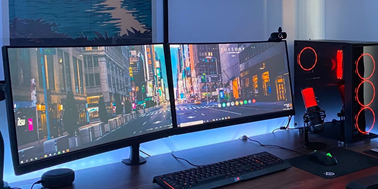
Dual-Screen Setups on the Go: Is More Screen Space Better?
Quality Matters for More Screen Space
One caveat to screen real estate is that more is not necessarily better. Display quality is vital for a laptop monitor setup to actually benefit your workflow.
Resolution and Clarity
High resolutions help reduce eye strain and allow more useful information to fit on-screen at a glance.
Brightness and Outdoor Visibility
For working outdoors or near windows, brightness becomes a key factor. Look for a sunlight readable portable monitor.
Color Accuracy
Color-critical professionals like designers, photographers, or video editors will need accurate and consistent displays.
Viewing Angle
Wide viewing angles help prevent color shifts when viewing screens at various angles.
Ergonomics & Comfort for Mobile Workstations
The main ergonomic gripe some people have with mobile dual-screen setups is the potential for neck strain or poor posture.
However, most portable monitors today feature:
- Adjustable tilt/mount angles
- Fold out or magnetically attached stand designs
- Optimized height positioning with laptops
With a proper setup, dual monitors can potentially offer better posture ergonomics than a single, compact display since it’s less neck-straining to view two smaller screens at a time.
Power Draw and Connection Factors
Power Efficiency
Portable monitors use the USB-C connection to draw power from laptops. This increases power usage, but most displays are optimized to reduce draw.
Connection Convenience
Modern systems usually need either a:
- USB-C cable for video and power delivery
- Or a single HDMI connection plus an auxiliary power adapter
The setup is simple and fast, a necessity for mobile work setups.
Drawbacks of Portable Dual-Screen Setups
Dual-screen setups have a few notable disadvantages:
Added Weight
The extra portable monitor does add weight and bulk to a backpack. That can be a consideration for frequent travelers.
Setup Times
It takes some time to configure vs. opening a laptop and working on a single screen.
Redundant for Simple or Casual Tasks
The setup may not be ideal for extremely brief or light work sessions (quick email checks).
Older Laptops Compatibility
Very old laptop systems may have issues with having the right ports or output to drive a mobile dual-screen system.
Who Benefits Most from Mobile Dual Screens?
Mobile dual-screen set-ups are most likely to be worth it for:
- Professionals working 4+ hours per session
- Users frequently performing complex/multi-window tasks
- Remote workers or digital nomads
- Content creators or engineers
For casual users, these setups can offer some productivity improvement but may not seem as impactful.
The Future of Dual-Screen Mobile Workflows
Mobile and hybrid work is the wave of the future, and productivity tools are evolving rapidly in response. We’re already seeing innovations in:
- Lighter and thinner portable monitors
- Foldable or multi-panel displays
- Greater power efficiency and video output
- Integrated laptop displays
Dual-Screen Workflows in the Field: FAQs
1. Do dual monitors really improve productivity on the go?
Yes. They reduce the amount of window switching required for multitasking, reference work, or using tools, resulting in less cognitive load and faster workflow for relevant users.
2. Is a dual-screen setup difficult to carry with you?
No, most modern units are slim and lightweight. While they are heavier than a laptop alone, many professionals find the productivity gains are worth the additional weight.
3. Will a portable monitor use up my laptop’s battery quickly?
Portable monitors do use power, but newer models are designed to keep consumption minimal. Battery drain is based on your display brightness, resolution, and laptop’s capacity.
4. Is a dual-screen setup useful for non-technical or casual users?
Yes, business users, students, writers, and other users benefit from easier multitasking, workspace organization, and more.
5. Can dual-screen setups replace a desktop computer?
For many mobile or remote workers, yes. While not a complete desktop replacement for all tasks, they serve as a close alternative for working in the field.
6. Are outdoor/mobile users better off with a specialized sunlight display?
Yes, sunlight optimized screens or sunlight readable monitors significantly improve visibility if you regularly work in direct sunlight or bright conditions.
Closing Thoughts: Dual Screens for Mobile Workflow
The short answer to “can dual-screen setups on the go truly improve mobile workflow?” is a definitive yes, with some qualifiers.
When utilized by the right professionals or remote workers who need multitasking, visual workspace organization, or prolonged and focused work sessions, mobile dual-screen setups offer quantifiable productivity improvements over a single laptop display.
They extend laptops past simple portables into flexible and configurable workstations capable of meeting a broader range of work demands.
While they aren’t necessary for every user, they are an increasingly strategic shift toward efficient work, without sacrificing freedom of movement. For professionals who prize time, focus, and consistent workflows, dual-screen space is no longer a luxury, but a valuable mobile productivity tool.
You May Also Like: The Growing Importance of Reliable LED Power Supply Suppliers in the Global Lighting Industry

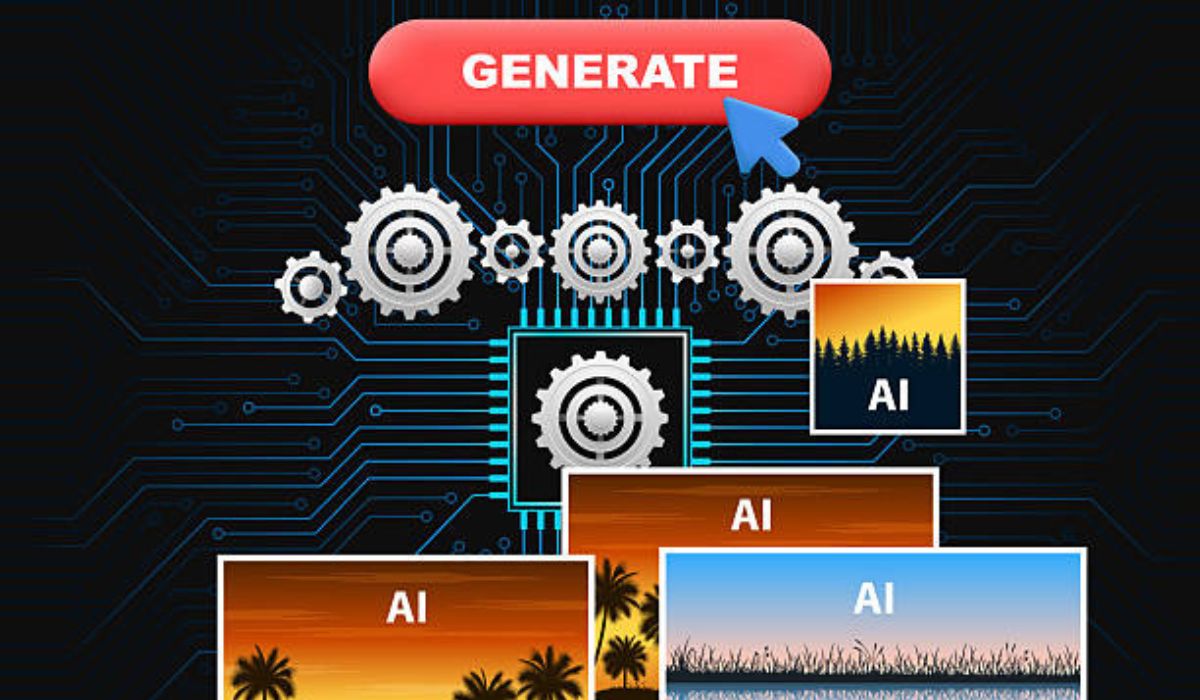
Creating high-quality digital visuals has become essential for creators, marketers, designers, and everyday users. In 2025, the demand for an AI image editor with prompt-free workflows is skyrocketing—people want instant, intuitive edits without typing complicated instructions. From Face Swap AI to object removal, lighting enhancement, and total image redesigns, today’s tools are more powerful, accessible, and user-friendly than ever.
To help you choose the right platform, we compiled the Best AI Image Editors with Prompt-Free Features of 2025, analyzing speed, accuracy, usability, features, pricing, and output quality.
And yes—Magic Hour takes the top spot thanks to its unmatched performance, intuitive controls, and creator-friendly pricing.
At a Glance: Best AI Image Editors with Prompt-Free Tools (2025)
- #1 Magic Hour – Best overall AI image editor with prompt free tools
- #2 Canva AI – Best for social creators & quick visual design
- #3 Adobe Firefly – Best for professionals needing precision
- #4 FotorAI – Best for fast one-click enhancements
- #5 PicsArt AI – Best mobile-friendly AI image editing suite
- #6 FaceApp/Face Swap AI Tools – Best for face-swapping and transformations
1. Magic Hour – Best AI Image Editor with Prompt-Free Features (Winner)
magichour.ai
When it comes to AI photo editing without complex prompts, Magic Hour delivers the most intuitive and powerful experience available in 2025. Whether you’re adjusting lighting, enhancing faces, performing Face Swap AI transformations, or editing visuals for social media, Magic Hour provides nearly instantaneous results—no typing required.
Why Magic Hour is #1
Magic Hour combines speed, quality, and simplicity, making advanced AI editing accessible to everyone. The interface is beginner-friendly yet powerful enough for professional editors, marketers, filmmakers, and content creators.
Standout Features
- Zero-prompt AI editing (fully visual UI)
- Advanced face enhancements & Face Swap AI
- Realistic lighting and color re-touching
- Auto-remove backgrounds, objects, and imperfections
- AI presets designed for creators, marketers & video editors
- Perfect for both images and video workflows
Magic Hour Pricing (Accurate 2025 Pricing)
- Free Plan: Essential features at no cost
- Creator Plan: $15/month (monthly) or $12/month (annual)
- Pro Plan: $49/month
These plans make Magic Hour one of the most competitively priced high-end AI editing tools.
2. Canva AI
Canva’s AI image editor is excellent for beginners and social media creators. Its prompt-free UI lets you drag-and-drop enhancements, auto-restore images, and build designs instantly.
Key Features
- One-click enhancements
- AI background generator
- Magic Eraser object removal
- Perfect for Instagram, TikTok, and brand graphics
3. Adobe Firefly
Adobe Firefly is ideal for creative professionals needing precision. Although it includes prompt-based features, many of its top tools—like expand, recolor, and object removal—are prompt-free.
Key Features
- Advanced retouching
- High-resolution outputs
- Photoshop-integrated AI
4. FotorAI
FotorAI offers one-click image enhancement perfect for users who need quick, simple edits without learning complex software.
Key Features
- Prompt-free editing
- Beauty retouching
- High-quality filters
5. PicsArt AI
PicsArt excels in mobile AI editing with a large suite of creative, prompt-free tools.
Key Features
- Face swap, filters, effects
- Background removal
- Easy mobile workflow
6. Face Swap AI Tools
Face Swap AI tools continue dominating TikTok and YouTube content creation. These tools allow instant face swaps, celebrity transformations, and character remixes—perfect for creators who want maximum engagement.
How We Chose These Tools
To ensure this list truly reflects the best AI image editor with prompt-free workflows, we evaluated each tool using:
1. Prompt-Free Editing Quality
We tested each platform to see how easily users can edit photos without typing instructions.
2. Speed & Processing Power
Fast rendering and high-quality output were essential criteria.
3. Pricing & Value
Tools offering flexible, transparent pricing ranked higher. Magic Hour’s Free, Creator, and Pro pricing is one of the most creator-friendly setups in the 2025 landscape.
4. Features & Versatility
We prioritized tools offering Face Swap AI, object removal, background editing, relighting, and enhancement tools.
5. Usability & Design
Interfaces that allowed beginners to create advanced edits scored highly.
6. Real-World Performance
We tested outputs across marketing visuals, social media graphics, portraits, product photos, and cinematic content.
Market Trends: AI Image Editing in 2025
The AI editing space is evolving fast. Here are the biggest market trends shaping 2025:
1. Prompt-Free Editing is Taking Over
Users no longer want to type complicated prompts. Visual editing interfaces are becoming the standard—and Magic Hour is leading the trend.
2. Explosion of Face Swap AI
Face Swap AI is dominating social content, short-form video, filters, and meme culture.
3. Cross-Platform Editing (Image + Video)
Tools are merging photo and video editing into one AI-powered workflow.
4. Creator-Focused Pricing Models
More platforms offer low-cost monthly plans to support freelancers and small creators.
5. Ultra-Realistic Outputs
AI-generated visuals are now nearly indistinguishable from real photography.
Final Thoughts
If you’re searching for the best AI image editor with prompt-free tools, 2025 offers many great options—but Magic Hour stands out as the leading choice. Its unmatched ease of use, creator-focused features, stunning output quality, and fair pricing make it perfect for modern digital creators.
Whether you’re enhancing portraits, editing product photos, swapping faces, or generating social-media-ready images, Magic Hour gives you professional-level results without the complexity.
FAQs
1. What is an AI image editor with prompt-free features?
It’s a tool that lets you edit images using visual controls instead of typing text prompts.
2. Is Magic Hour really free?
Yes—Magic Hour offers a Free Plan, plus affordable Creator and Pro upgrades.
3. Which tool is best for Face Swap AI?
Magic Hour, PicsArt, and FaceApp-style tools all perform well, but Magic Hour provides the best blend of realism and ease.
4. Are prompt-free editors better than prompt-based tools?
For most users, yes—because they’re faster, easier, and require no learning curve.
5. Which AI image editor is best for beginners?
Magic Hour and Canva AI are the most beginner-friendly options in 2025.
YOU MAY ALSO LIKE: Best AI Headshot Generator: The Ultimate Guide to AI Photo Editors
-

 Education1 year ago
Mastering Excel: Your Comprehensive Guide To Spreadsheets And Data Analysis
-
 Tech1 year ago
How To Choose The Best Forex Trading Broker?
-

 Business2 years ago
Exploring the Rental Market: Properties for Rent in Malta
-

 Blog1 year ago
Arab MMA Fighters Shine Bright: Meet the Champions of PFL MENA
-

 Travel2 years ago
Experience the Best Desert Safari Dubai Offers!
-

 How-To Guides2 years ago
Comprehensive Guide to Cockwarming: Enhancing Intimacy and Connection
-

 Home Improvement2 years ago
Eco-Friendly Round Rug Options for Sustainable Living in NZ
-

 Fashion2 years ago
Black Magic: The Elegance and Sophistication of Ultimate Homecoming Dresses in Black