
How-To Guides
10 Pawsitively Perfect Dog Friendly Restaurants Near Me


If you’re a dog lover, you know the struggle. You want to enjoy a delicious meal out, but leaving your furry best friend behind feels like a betrayal (cue those heartbreaking puppy eyes). Luckily, dog-friendly restaurants have stepped up to save the day, offering spaces where both you and your pup are welcome to dine together.
Whether you’re a food enthusiast, a local pet owner, or both, finding dog friendly restaurants near me has never been easier—or tastier! From tail-wagging treats to patio spaces made for pups, these places are redefining what it means to share a meal with your best pal.
Keep reading to discover why these hotspots are trending, how to choose the best ones, and a curated list of 10 pawsome local options to explore with your doggo. 🐾
The Benefits of Dog Friendly Restaurants
Dining at dog-friendly establishments isn’t just a treat for your pet—it’s a game changer for pet owners too. Here’s why:
1. Shared Experiences and Bonding
Who doesn’t love spending quality time with their dog? Dining together turns an ordinary meal into an opportunity to bond over great food (and maybe a sneaky pup treat).
2. Social Perks
- For You: Dog-friendly spots often attract like-minded people (AKA other dog lovers), so they’re a great place for socializing. Who knows, your pup might break the ice for you!
- For Your Dog: Forget dog parks—all the good gossip happens at these restaurants. Your pooch can mingle, sniff, and make furry friends.
3. No More Guilt Trips
We’ve all been there. You’re out for a meal, and your mind keeps wandering back to whether your pup is sad, staring longingly out the window. Dog-friendly restaurants erase that guilt—you can enjoy their company while savoring your food. After all, what’s better than brunch with your best friend?
4. A Break from Routine
For both you and your pet, heading out to a dog-friendly restaurant isn’t just a meal; it’s a mini-adventure. From fresh air to new surroundings, it beats staying home any day.
Criteria for Selecting Dog Friendly Restaurants
Not all “dog-friendly” restaurants are created equal. Here’s what to look for when deciding where to take your furry companion for a date night (or brunch).
1. Outdoor Seating
Patios or outdoor spaces are a must. Bonus points for shaded areas and water bowls on hand to keep your pup cool and hydrated.
2. Pet Menu Offerings
Some restaurants go above and beyond with dog-specific menu items—think pup-friendly ice creams or baked treats. If they offer this, you’ve struck gold!
3. Clear Pet Policies
The best spots clearly state their pet policies, from leash requirements to behavioral expectations. It helps avoid awkward moments for everyone.
4. Ambiance and Space
Crowded patios or overwhelming noise can stress out even the chillest of dogs. Look for a calm, comfortable vibe where your pupper can relax.
5. Reviews and Recommendations
What do other dog owners say? Peep the reviews to ensure the restaurant staff and rules are truly pup-welcoming.
Top 10 Dog Friendly Restaurants Near Me
Drumroll, please! Here’s a roundup of the best local dog-loving eateries that are guaranteed to make tails wag.
1. Barkside Bistro
- Location: Downtown
- Highlights: Gourmet menu for both humans and dogs, with pup-pleasing dishes like “bark bowls” and peanut butter biscuits.
- What People Say: “The staff treated my dog like royalty! Plus, the patio is massive.”
2. Paws & Plates Café
- Location: West End
- Highlights: Cozy outdoor seating and a dedicated doggie lounge corner.
- Menu Must-Try: Avocado toast for you, bacon bites for them.
- What People Say: “It’s like a Starbucks for pets and people.”
3. Wagged Rights Diner
- Location: Uptown
- Highlights: A shaded beer garden that’s perfect for summer days.
- What People Say: “The staff always has water bowls ready, even before we sit down!”
4. The Paw Patio
- Location: East Side
- Highlights: A dog park-style patio plus live acoustic music for ultimate chill vibes.
5. Fido’s Feast Stop
- Location: The Suburbs
- Highlights: They serve dog cakes for special occasions. Celebrate your pup’s birthday here!
6. The Canine Café
- Location: Riverside
- Highlights: Breakfast bowls paired with dog-friendly donuts. (Yes, donuts for dogs!)
7. Tails & Taproom
- Location: Midtown
- Highlights: Craft beer for you, pup-corn snacks for your dog. Cheers!
8. Bone Appétit Eatery
- Location: Northside
- Highlights: Known for their “paw-puccino” (whipped cream in a tiny cup just for dogs).
9. Fetch & Feast
- Location: Downtown
- Highlights: Elevated French dining meets adorable puppy perks.
10. Pupdate Bar
- Location: City Center
- Highlights: “Happy hour” treats for dogs and a great location for meeting other dog lovers.
From craft beers to puppuccinos, these eateries offer something special for everyone—two-legged or four-legged. 🐾
Tips for Dining Out with Your Dog
Before you hit up these spots, it’s important to prep both yourself and your pup for a smooth (and fun) outing.
1. Basic Training is Key
Make sure your dog knows basic commands like “sit” and “stay.” A polite pup is a welcome guest.
2. Pack the Essentials
Don’t forget:
- A leash (keep it short to avoid getting tangled in neighboring chairs).
- Poop bags (self-explanatory).
- A collapsible water bowl.
3. Keep an Eye on Their Behavior
Not all dogs love being surrounded by people. If your dog seems anxious or uncomfortable, consider a shorter visit.
4. Respect the Space
Even in dog-friendly spots, remember to keep your pet off chairs and tables unless allowed.
5. Timing is Everything
Non-peak hours are usually less crowded, making them the perfect time for first-time restaurant visits.
The Future of Dog Friendly Dining
Restaurants are jumping on the dog-friendly trend—and for good reason! With more people viewing pets as family, there’s a growing demand for spaces that welcome furry companions.
Innovative concepts like “dog-park cafés” and pet-focused events (think doggy brunches) hint at where this trend is headed. The future of dining may not just include farm-to-table—it might be leash-to-table too!
Explore These Dog Friendly Restaurants Near Me
Dining out doesn’t have to mean leaving your best friend behind. These 10 local spots prove that a great meal is even better when shared with your furry companion. With options ranging from gourmet “bark bowls” to shady patios, there’s a little something for every paw and palate.
And now, it’s your turn! What’s your favorite dog friendly restaurant near me? Share your experiences and tips in the comments—or better yet, tag us on social media with pics of your happy pup dining out. 🐕📸
Bon appétit (and bone appétit)!
YOU MAY ALSO LIKE
Protect Your Dog’s Health With These Vet-approved Tips
Conclusion
In this delightful world where good food and good company converge, dog-friendly dining offers an amusing twist on traditional eating experiences. Our four-legged friends are no longer simply silent partners left at home; they now share tables, taste treats, and trot about as semi-celebrities in an ever-evolving culinary scene. With places catering to the taste of both pups and their humans, eating out has never been more inclusive or entertaining. Here’s to future visits that inspire tail wags, chuffed barks, and a few jealous woofs from pals who missed out on the paw-ty. Happy dining, one wagging tail at a time!
FAQs
1. Why are some restaurants dog friendly?
Dog-friendly restaurants cater to pet owners who view their dogs as family, creating inclusive spaces where both can enjoy a meal together.
2. What should I bring to a dog friendly restaurant?
Bring essentials like a leash, poop bags, and a collapsible water bowl to ensure a comfortable experience for both you and your dog.
3. How do I know if a restaurant is dog friendly?
Check online reviews, restaurant websites, or call ahead to confirm their dog-friendly policy and any specific rules they might have.
4. What do dogs typically eat at these restaurants?
Many dog-friendly spots offer special menus with treats like “bark bowls,” peanut butter biscuits, and even pup-friendly “paw-puccinos.”
5. Are dog friendly restaurants becoming more popular?
Yes, as more people consider pets family, there’s a rising demand for dog-friendly dining options, leading to creative concepts like dog-park cafés.

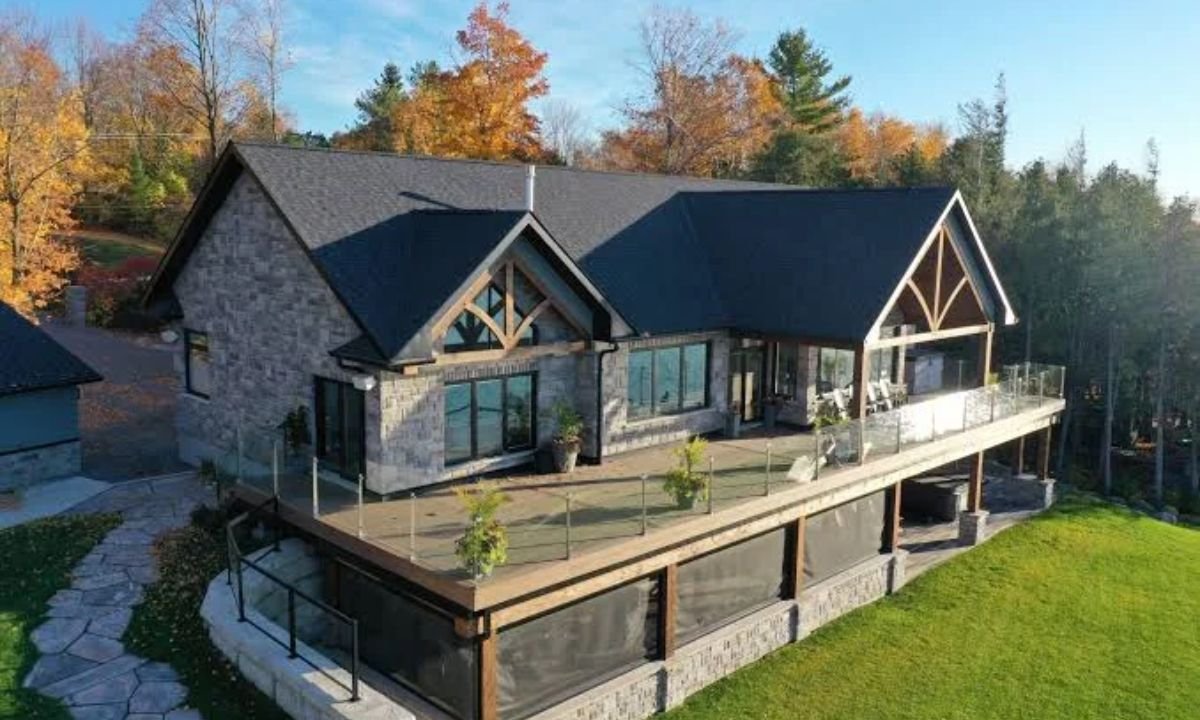
The most exciting part of building a home is the day construction starts. The most important part happens before that day. Decisions made in the planning stage, about the site, the budget, the design, and the team, shape everything that follows. Homeowners who invest time up front tend to experience smoother builds and fewer surprises, while those who rush to break ground often discover problems when they’re hardest and most expensive to fix. If you’re considering a custom home or cottage in Ontario, working with experienced cottage builders Ontario owners trust can help you turn a vision into a plan you can act on with confidence. Here’s a practical roadmap for the planning stage.
Get Clear on What You Want
Start with the basics: how will you use the home? Who will live in it now, and who might in five or ten years? Is it a year-round residence, a seasonal cottage, or both? How much space do you really need, and what features matter most?
Writing this down is worth the effort. A clear list of needs, wants, and nice-to-haves gives you something to measure design choices against, and it helps when budget questions arise later.
Understand Your Site
The land determines a lot. Slope, soil, orientation, access, services, and views all influence design and cost. For rural and lakefront properties, there may be additional considerations such as water supply, septic systems, shoreline setbacks, and environmental protections. Requirements vary by location, so it’s wise to confirm what applies to your property early, with the local authorities and your builder.
Understanding the site before the design is finalized prevents the unpleasant surprise of a plan that doesn’t fit the lot.
Set a Realistic Budget
A budget should reflect the full picture: construction, permits and fees, design, site work, landscaping, driveways, and finishing touches, along with a cushion for the unexpected. Early on, a high-level estimate helps define what’s realistic. As the design develops, a more detailed estimate sharpens the numbers.
The goal is to move from rough ideas to defined figures. A fixed-price quotation, built from a detailed scope, gives you a number you can plan around, but only when the scope is clearly defined. That’s why design and specification work should come first.
Think Through Design and Finishes Early
Plans, materials, and finishing details all affect cost and schedule. Choosing finishes late can lead to delays or compromises. Working through layouts, specifications, and selections during planning, rather than during construction, avoids rushed choices and lets the builder price the project accurately.
This is also where a design-build approach can help, because design and construction are coordinated from the start, so the plans reflect what’s practical to build and what fits the budget.
Learn What Permits and Approvals Are Involved
Every build requires approvals, and the process takes time. Zoning, building permits, and any site-specific requirements need to be worked through before construction begins. Builders with local experience know how the process works and can anticipate common issues.
Allow time for this stage in your schedule. It’s much less stressful when it’s expected rather than discovered halfway through.
Plan the Timeline Realistically
Construction schedules depend on permitting, materials availability, trade scheduling, and weather. In regions with real winters, seasons affect what can be done and when. A realistic schedule built with these factors in mind is more useful than an optimistic one, and it helps you plan for where you’ll live, when you can use the property, and how to coordinate with other commitments.
Choose the Right Team
The builder you choose affects everything from design to quality to how the process feels. Look for experience with projects like yours, a clear process, and a communication style that suits you. Visit past projects if you can, ask for references, and make sure you understand how the quotation is prepared and how changes are handled.
DeCarli’s own process, as described on their site, runs from an initial meeting through a detailed estimate, design and finishing specifications, a fixed-price quotation, a construction schedule, and finally construction. Whichever builder you choose, a structured sequence like this is a good sign.
Decide How Changes Will Be Handled
Almost every project sees changes. Deciding in advance how they’ll be priced, approved, and documented avoids disputes later. The more complete the plan at the start, the fewer changes you’re likely to need.
Prepare for the Decisions Ahead
A new build involves hundreds of choices. Knowing which ones are coming and when they’re needed helps you stay organized. Ask your builder for a decision schedule so you can plan your time and avoid last-minute pressure.
Keep Communication Open
Plan how you’ll stay in touch during the project: regular updates, site visits, and a clear point of contact. Good communication keeps everyone aligned and helps resolve questions quickly.
The Bottom Line
Planning is where a successful build is won. Clarifying your goals, understanding your site, setting a realistic budget, working through design and finishes, handling permits, planning the schedule, choosing the right team, and agreeing on how changes will be managed puts you in a strong position before the first shovel goes in. Homeowners who invest in this stage tend to enjoy a calmer, more predictable build and a home that matches what they imagined.

Driving on steep hills can create challenges, especially when roadway conditions are poor or visibility is fairly limited. Declines and inclines affect how your vehicle brakes, accelerates, and maintains traction. If you fail to adjust your driving technique when traveling on an incline, you may struggle to control your vehicle and be at a higher risk of a collision.
Gravity and Vehicle Control
Whenever you’re traveling uphill, gravity works against your vehicle’s forward movement. You may need to apply more power to maintain your speed, especially when driving a heavy vehicle or even towing a trailer. Anytime you’re traveling downhill, gravity will pull your vehicle toward the bottom of the hill.
This will cause your vehicle to accelerate faster if you’re not appropriately controlling your speed. Additionally, this force makes it much harder to stop or even slow down. It’s imperative for drivers to recognize the differences that gravity can create when traveling up and down hills so that they can adjust their driving techniques accordingly. Being able to maintain a controlled speed before reaching a steep hill can help prevent sudden acceleration or braking.
Braking Is More Challenging
Another unique problem that steep hills present when driving is braking. Braking on a steep downhill road requires a lot more effort to get your vehicle to stop than when it’s on a level surface. Gravity will continue to pull your vehicle downhill even when your brakes are working to reduce your speed.
Drivers need to adjust by providing more stopping distance than what’s typically needed on a level surface. Additionally, drivers need to pay attention to how often they’re continuously applying their brakes when traveling down a hill. Continuous braking over a long descent can generate excessive heat. Anytime your brake components become too hot, their ability to slow your vehicle down can diminish. This is known as brake fade and will make it more difficult to control your vehicle.
It’s best to reduce your speed before starting any steep descent to help limit the amount of braking that’s required to stop your vehicle along the way. Avoid riding your brakes throughout the entire downhill stretch. Even consider using appropriate lower gears according to your vehicle manufacturer’s recommendations.
Understanding Correct Gears for Steeper Grades
Choosing the right gear to travel down a hill can make a big difference in how often you have to brake and in the overall control of your vehicle. Choosing a lower gear allows your engine to regulate your vehicle’s speed. This is known as engine braking, and it’s very helpful when you’re descending long hills. You can better control your speed while reducing the workload on your vehicle’s braking system.
While switching to a lower gear can be particularly helpful when it comes to vehicle control and braking, you need to be careful about which gear you’re selecting. If a gear you select causes your engine to over-rev, you need to switch out of it. Proper gear selection is essential when it comes to heavy vehicles, including trucks and buses. Any additional vehicle weight can increase the demands placed on your braking system.
Vehicle Weight and Braking Distance
Vehicle weight plays a significant role in how your vehicle’s braking system performs on steep hills. Heavier vehicles require more force to slow down because they have greater momentum. When gravity accelerates your heavy vehicle downhill, you need to maintain a safe speed.
If you approach a steep descent too quickly, stopping safely can become extremely difficult. Drivers should always account for their vehicle’s weight, cargo, or any tow load they may have before traveling through hilly areas. Following the posted weight restrictions and paying attention to grade warnings can help you avoid dangerous downhill situations.
Maintaining Adequate Traction
One other way that steep hills can affect your driving is by reducing tire traction. Anytime the roadway is muddy, covered in gravel, wet, or even icy, your tires may not maintain sufficient contact with the roadway. Less traction can make it harder to accelerate, brake, and steer correctly.
Your vehicle can easily slide, becoming particularly dangerous on steep declines where gravity is forcing your vehicle downhill. It’s imperative to reduce your speed before reaching any slippery sections of the roadway. Avoid sudden acceleration, braking movements, and even steering maneuvers. Making smooth inputs will help maintain better traction and reduce your likelihood of skidding.
The Importance of Following Distances on Steep Hills
Anytime you’re traveling on a steep hill, your following distance becomes especially important. Whenever you’re traveling downhill, your vehicle will require additional stopping distance. If you’re following too closely, you may not have sufficient room to respond if the vehicle in front of you brakes suddenly.
Anytime the road surface is wet or you’re operating a heavy vehicle, your following distance needs to increase. You should always leave adequate space between the vehicle in front of you and your vehicle to help anticipate unexpected maneuvers and changes in traffic. Following distance is also important when it comes to traveling uphill.
Vehicles can lose speed when they’re climbing a hill, particularly when they’re carrying heavier loads. Maintaining adequate distance gives you more time to respond to changes in conditions in front of you and reduces the likelihood of a rear-end collision.
Common Mistakes to Avoid
There are several different driving mistakes that can increase your risk of losing control on a steep roadway. One of the most common is going down a hill at excessive speed. If you fail to slow down early, you may need aggressive braking maneuvers, which can increase your risk of skidding and your brakes overheating.
Another mistake is relying entirely on your brakes instead of using appropriate engine braking techniques. This places unnecessary strain on your braking system and can lead to failure. Additionally, drivers can underestimate how weather affects steep road conditions. Anytime you’re involved in an accident on a steep hill, it’s important to consult an experienced car accident lawyer like the attorneys at Pittman, Roberts & Welsh.

The choice of the swimsuit will have a direct bearing on the ability of the woman to exude confidence in settings like the beach or pool. The selection of the swimsuit that complements and enhances the feminine curves of women is now inevitable. Today’s consumer desires swimwear that incorporates style along with structure and comfort.
When the proportions are taken into consideration while selecting the proper cuts and designing swimwear with particular elements in mind, swimwear becomes much more attractive and flattering to wear.
Where Body Shape Meets Smart Design
Natural shaping starts with understanding the relationship between various silhouette designs and the body type. Rather than imposing fads for all body shapes, swimwear is designed based on proportions and balance.
Examples of swimwear styles include modest swimwear in Canada, which shows how the right fit and flattering cover can help achieve a natural shape without going for skimpy designs.
Clean design allows the body to be showcased effectively through swimwear that flatters the body.
1. Identify Your Body Shape First
Body Type Knowledge When Choosing a Swimwear Suit. Body shapes include pear shape, apple shape, hourglass shape, athletic shape, and rectangular shape.
Based on one’s body shape, there are certain benefits to choosing specific swimsuits. For instance, detailed or patterned tops suit pear-shaped bodies well, while apple-shaped individuals may look good in suits that have ruching at the middle part of their bodies.
2. Use Strategic Design Elements
The small design details have great importance in determining the look. The ruching, paneling, and color blocking can help give definition to the body.
The ruching will help define the midriff area. The high heels can make the legs appear longer. The tops can help in balancing the top half of the body. Darker colors will make one look slimmer whereas brighter colors will bring out the particular areas.
3. Focus on Proper Fit and Support
Even the most perfect swimsuit will fail to work without proper fitting. This is because all fabrics tend to expand when exposed to water. Features such as straps that can be adjusted and bras sewn inside the suit will ensure that the swimsuit maintains its form. When the swimsuit is properly fitted, it enhances the natural body shapes while at the same time making the wearer feel comfortable.
4. Balance Proportions Through Styling
The aim of accentuating the body’s form should not focus on altering the body itself but on creating harmony visually. Proportions may be balanced using the right style choices. Full hips may be balanced using elaborate tops while wider shoulders may be balanced by plain upper styles.
High-rise bottoms can highlight your waist and improve structure. Well-proportioned clothing will give you balance.
5. Choose Fabrics That Support Shape
Fabric determines the quality of your swimwear. The fabric should be stretchable to bend with your movements but maintain its shape.
Four-way stretch materials offer flexibility without loss of shape. Compression materials offer support to help enhance natural body shapes.
Options such as modest swimsuits in Canada highlight how modern materials combine flexibility with structure to enhance both comfort and appearance. When fabric works with the design, the result is a swimsuit that maintains its form over time.
6. Highlight Features You Feel Confident About
The design of the swimsuit must consider both practicality and aesthetics. By considering one’s favorite aspects, one will achieve greater self-confidence and overall beauty.
A waist-hugging cut would work for those interested in highlighting their waists. For those whose favorite body part is their bust, adding padding or texture may work.
By selecting the right leg line, one may be able to look taller. Focusing on strong points will increase self-confidence.
7. Avoid Excess Fabric or Poor Tailoring
Excess fabric becomes problematic because it is difficult to integrate into a garment that looks good. Contemporary swimsuits have learned how to minimize bulky appearances through careful cutting and tailoring.
Good tailoring allows clean seams, even proportionality, and ease of movement. The result is a garment with a clean, sleek appearance. Bad tailoring ruins proportionality and makes a garment less comfortable.
8. Test Movement Before Final Choice
The swimsuit must work properly when you move as opposed to remaining static. Walking, stretching, and even swimming will test whether or not the swimsuit holds its form.
The straps should not fall out of place, while fabric movement should be limited. You will need consistency with your coverage without any need for readjustment.
Where Shape and Confidence Align
Selecting swimwear that flatters your figure depends on good fit and proportions. If combined properly, the resulting swimwear will be a lot more than an eye-catching garment.
Some labels concentrate on trends, for example, Seafolly; other brands prefer functionality, for instance, Speedo. This way, they meet particular demands; however, some issues may remain unresolved when it comes to proportions and stylish appearance.
LYRA Modest is one of those brands where good fit and modern styling go hand in hand. As a result, LYRA swimsuits can perfectly flatter one’s body shape without sacrificing comfort.
-

 Education2 years ago
Mastering Excel: Your Comprehensive Guide To Spreadsheets And Data Analysis
-

 Tech2 years ago
How To Choose The Best Forex Trading Broker?
-

 Business2 years ago
Exploring the Rental Market: Properties for Rent in Malta
-

 Blog2 years ago
Arab MMA Fighters Shine Bright: Meet the Champions of PFL MENA
-

 Tech2 years ago
The Role Of Experts VS Top Mobile Apps for Green Screen Removal
-

 Travel2 years ago
Experience the Best Desert Safari Dubai Offers!
-

 Home Improvement3 years ago
Eco-Friendly Round Rug Options for Sustainable Living in NZ
-

 Tech2 years ago
Finding Unique Products and Deals on Social Media Marketplaces